// ARS TECHNICA — SPAZIO & SCIENZA
Internal files add to evidence of an ExxonMobil climate deception campaign
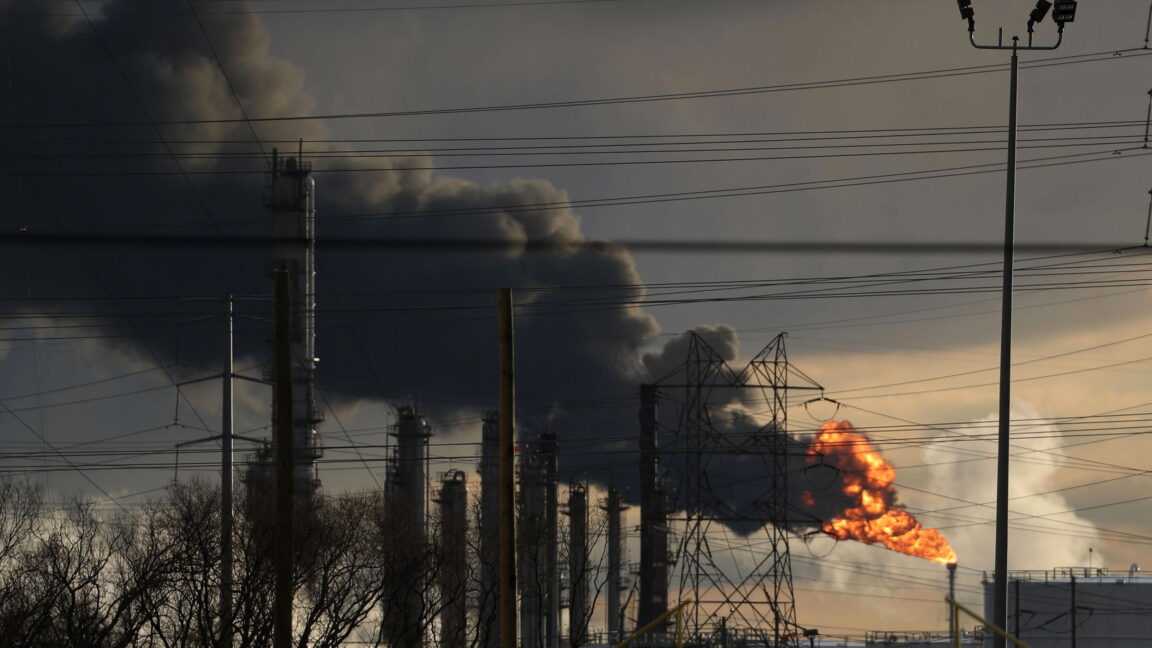
Court filings reveal new details about Exxon’s decades of internal climate deliberations.
If there was a year the world began waking up to climate change, it might have been 1988. That June, the NASA climatologist James Hansen testified to Congress that the climate was warming and would continue to do so as long as humans pumped fossil fuel pollution into the atmosphere. Months later, the United Nations established the Intergovernmental Panel on Climate Change.
And, just weeks before the UN vote, Frank Sprow of Exxon’s corporate research department warned his colleagues in an internal memo, “If a worldwide consensus emerges that action is needed to mitigate against Greenhouse gas effects, substantial negative impacts on Exxon could occur.”
Sprow’s memo is part of a batch of previously undisclosed documents released earlier this year without fanfare as part of an ongoing lawsuit Massachusetts filed against ExxonMobil in 2019. While the memo was quoted in a 2023 article by The Wall Street Journal, it has not been published in full. Several other documents included in the filings are being reported on here for the first time, including more recent statements from Exxon scientists challenging the company’s climate-solution claims about its work on biofuels and carbon capture and storage.
While the documents align with hundreds of confidential files that have previously come to light through reporting by Inside Climate News and other news organizations, as well as lawsuits and other sources, experts say they provide new details on internal deliberations at Exxon from the 1980s to the 2010s.
The release of the documents comes at a pivotal time for the oil industry and for efforts to hold it accountable for its role fueling climate change. This week, the US Supreme Court heard arguments from Exxon and oil producer Suncor Energy that a lawsuit filed by the city and county of Boulder, Colorado, should be halted. The outcome of that decision could decide whether more than two dozen other claims against oil companies proceed.
Aaron Regunberg, director of climate accountability at the advocacy group Public Citizen, said the documents from the Massachusetts case underscore why Exxon and other companies are fighting to block the lawsuits from even proceeding to the discovery phase.
“They are really scared of the public finding out about this reality,” Regunberg said of oil companies. The Massachusetts filings, he said, suggest “that we have seen just a sliver of the evidence that they actually have that they’ve spent decades knowingly deceiving the public about this crisis. How many more reports are they sitting on?”
Most of the lawsuits assert that oil companies should help pay the escalating costs being imposed on the public by climate-fueled extreme weather because they knew the risks their products posed but worked to publicly question climate science and stymie efforts to curb emissions. Those costs have surged, topping $100 billion in the US in four of the last five years. Exxon, meanwhile, reported nearly $19 billion in earnings over the first six months of this year alone.
Exxon did not respond to requests for comment, but it has denied misleading the public or investors about climate change. In its annual securities filing, the company said of the lawsuits, “We believe the legal and factual theories set forth in these proceedings are meritless and represent an inappropriate attempt to use the court system to usurp the proper role of policymakers in addressing the societal challenges of climate change.”