// ARS TECHNICA — MODA & SOCIETÀ
Outrage grows as CDC reportedly poised to fund "unethical" vaccine trial
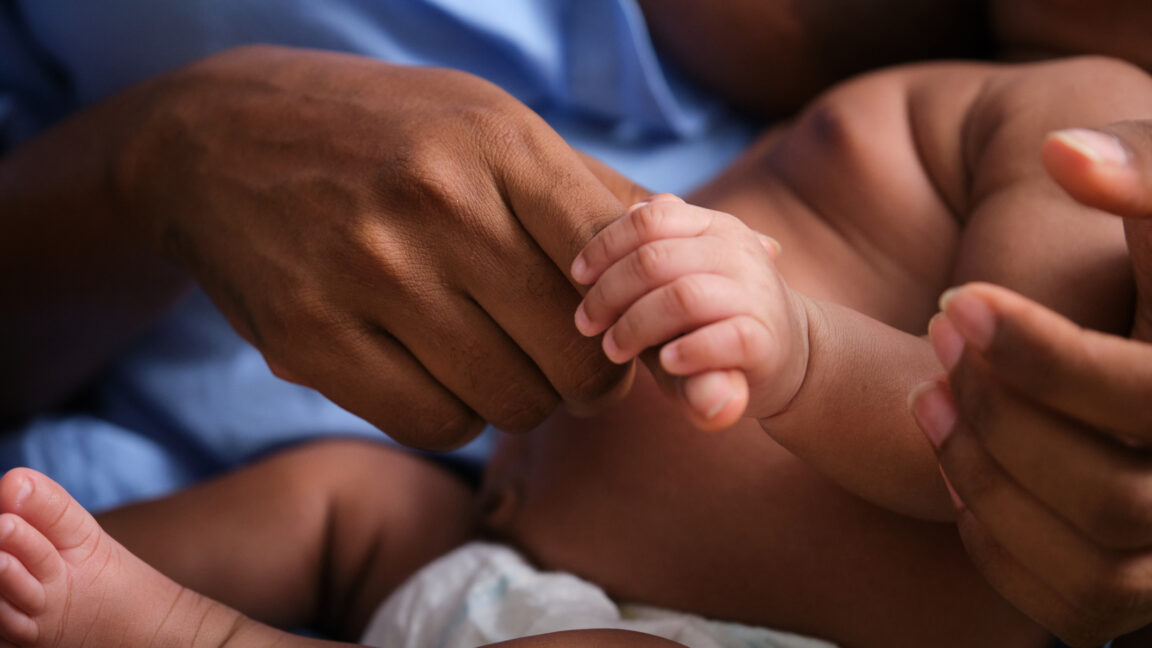
CDC allocated $1.6M for study on alleged harms of hepatitis B vaccine.
Outrage has erupted among health experts over news that the Centers for Disease Control and Prevention is still eager to fund a widely condemned vaccine trial that would expose newborns in Guinea-Bissau to hepatitis B, putting them at high risk of a lifelong infection, which can lead to liver cirrhosis, liver cancer, and premature death.
The trial was suspended in January after its unethical design came to light and drew international outcry. Although the trial is still halted, staff of the CDC director’s office told the agency’s budget office in late September to set aside $1.6 million to fund the trial, according to a report by Rolling Stone. The money was to be pulled from funding for the CDC’s global health security programs, which might otherwise go toward efforts like combating the Ebola outbreak currently raging in the Democratic Republic of the Congo.
The Department of Health and Human Services, which oversees the CDC, did not respond to a request for comment from Ars Technica.
If the trial moves forward, it would be funded by the US but run by Danish researchers, who have separately been accused of misconduct. In December, the CDC announced the award of an unsolicited grant for $1.6 million to a research group at the University of Southern Denmark, led by married couple Christine Stabell Benn and Peter Aaby. The pair have produced numerous studies that have been promoted by anti-vaccine advocates, drawing concern and criticism from researchers. Stabell Benn and Aaby are currently under investigation by Danish authorities over allegations of “falsification” and “scientific misconduct” related to previous vaccine research.
In January, amid criticism of the trial, officials in Guinea-Bissau said they had suspended the research, saying ethical and technical reviews of the trial’s design were ongoing. “There has been no sufficient coordination in order to take a final decision regarding the study,” Quinhin Nantote, the minister of public health for Guinea-Bissau, said at the time. “Faced with this situation, we decided to suspend it.”
The trial intends to enroll 14,000 newborns in Guinea-Bissau, half of which would get a newborn dose of hepatitis B vaccine, while the other half would not. The aim is to try to find alleged vaccine harms from the newborn dose—despite the fact that the newborn dose has been proven safe and effective after decades of global use and is the current standard of care.
Guinea-Bissau has a high burden of hepatitis B in its population, and newborns who are not vaccinated at birth are at risk of acquiring a chronic, life-threatening infection. Authorities in Guinea-Bissau want newborns to be vaccinated and intend to begin universally administering birth doses in 2028. The country, which experienced a coup in November 2025, does not currently have the resources or infrastructure to provide those routine vaccinations.
Stabell Benn and Aaby have argued that the trial is not unethical because newborns in Guinea-Bissau are currently not routinely given a dose of hepatitis B vaccine at birth. But outside experts point to ethical guidelines, such as the Declaration of Helsinki, which requires trials to provide the “best proven intervention”—which is a birth dose of hepatitis B vaccine—regardless of whatever the current standard is in the country hosting the trial. Placebos may only be used when there is no proven intervention or there is “compelling and scientifically sound methodological reasons” to withhold a proven intervention.
In a scathing rebuke in February, the World Health Organization laid out a bullet-point list of “why withholding the vaccine is unethical.” The WHO notes that the entire premise of the trial is based on “hypothetical safety outcomes without sufficient credible evidence,” which don’t justify putting newborns at risk. The agency also blasted Stabell Benn and Aaby’s defense of the trial, saying: “Resource