// PC GAMER — GAMING
2026's OLED monitors can nearly recreate the sublime clarity of a '90s CRT, but Windows will have to change before we can achieve true nirvana
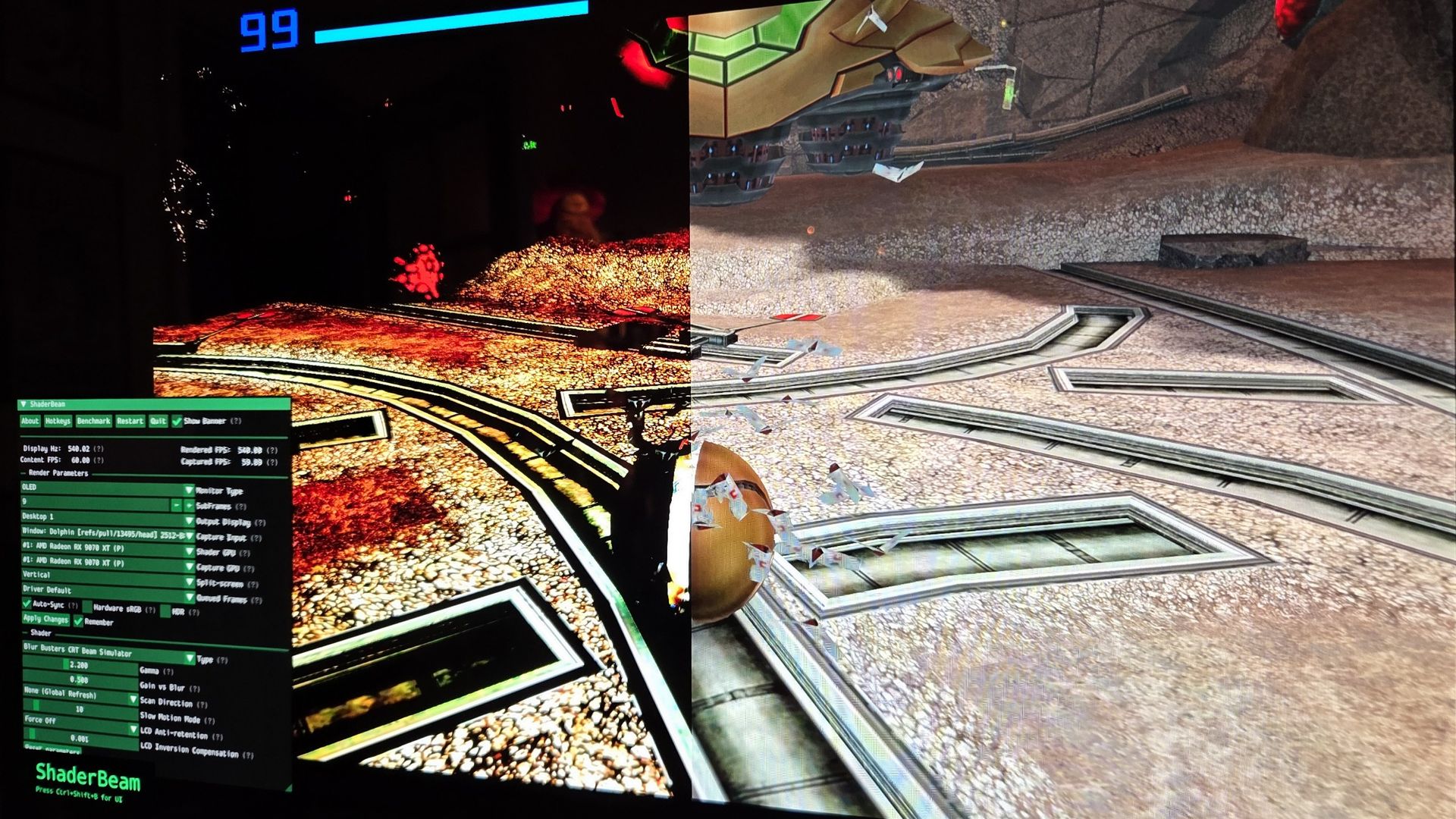
All you need is a ridiculously fast monitor and endless patience for tinkering to get a glimpse of how good retro games looked in motion back in the '90s.
When you purchase through links on our site, we may earn an affiliate commission. Here’s how it works.
The 2007 season finale of TV phenom Lost ended with an all-timer twist: What had seemed like the show's routine flashback storyline, filling in the events that preceded its characters ending up in island purgatory, was actually a flash forward. Protagonists Jack and Kate were somehow safe in Los Angeles after three seasons of being stuck on the mysterious island. Escaping had been the whole point of the show—or so we thought, until a broken Jack cried "We have to go back!"
This is now how I feel about, frankly, a lot of technology. Not long before that episode aired I'd gleefully dropped $1,000 on my first HD display, a 26-inch 1366x768 Samsung LCD that served as my college dorm TV and doubled as my computer monitor. For the time it was state of the art, so much thinner and sharper and better than the CRT monitor still attached to the family PC.
Twenty years later, experts who are tuned into the minutia of display tech are still trying to get back what we lost.
"People older than 40 will generally remember the motion clarity of CRTs, while younger people who've never seen a CRT will not remember," says Mark Rejhon, founder of the website Blur Busters. For years, Blur Busters' "Test UFO" browser tool, starring a little green man in a red saucer, has served as the de facto way to judge the clarity of objects in motion on modern displays. Compared to older CRT monitors, the LCDs of the mid-2000s were particularly terrible, their pixels taking an eternity to change from one color to another and leaving a nasty "ghost" trail on fast-moving images.
The TV I spent an entire month's paycheck on was better than average for its day, but the novelty of the HD era made me overlook then what's far more obvious now: the richer colors and smoothness of a CRT that I gave up, and wouldn't get back for nearly two decades.
Today's high refresh monitors are far better than the smeary, washed out LCDs of the 2000s—but even the best of the best are still chasing the clarity of CRTs, which means Rejhon is chasing it too.
Keep up to date with the most important stories and the best deals, as picked by the PC Gamer team.
While ShaderBeam tries to eradicate motion blur in software, Nvidia's tackling it in hardware. G-Sync Pulsar (built into a range of gaming monitors this year) works with VRR and uses backlight strobing plus a rolling top-to-bottom refresh cycle, much like a CRT, to create a "perceived clarity" of 1,000 Hz. No OLEDs yet, though, and the tech is of course locked to Nvidia GPUs.