// SPACE.COM — SPAZIO & SCIENZA
The Orionid meteor shower peaks next week! Here's what to expect
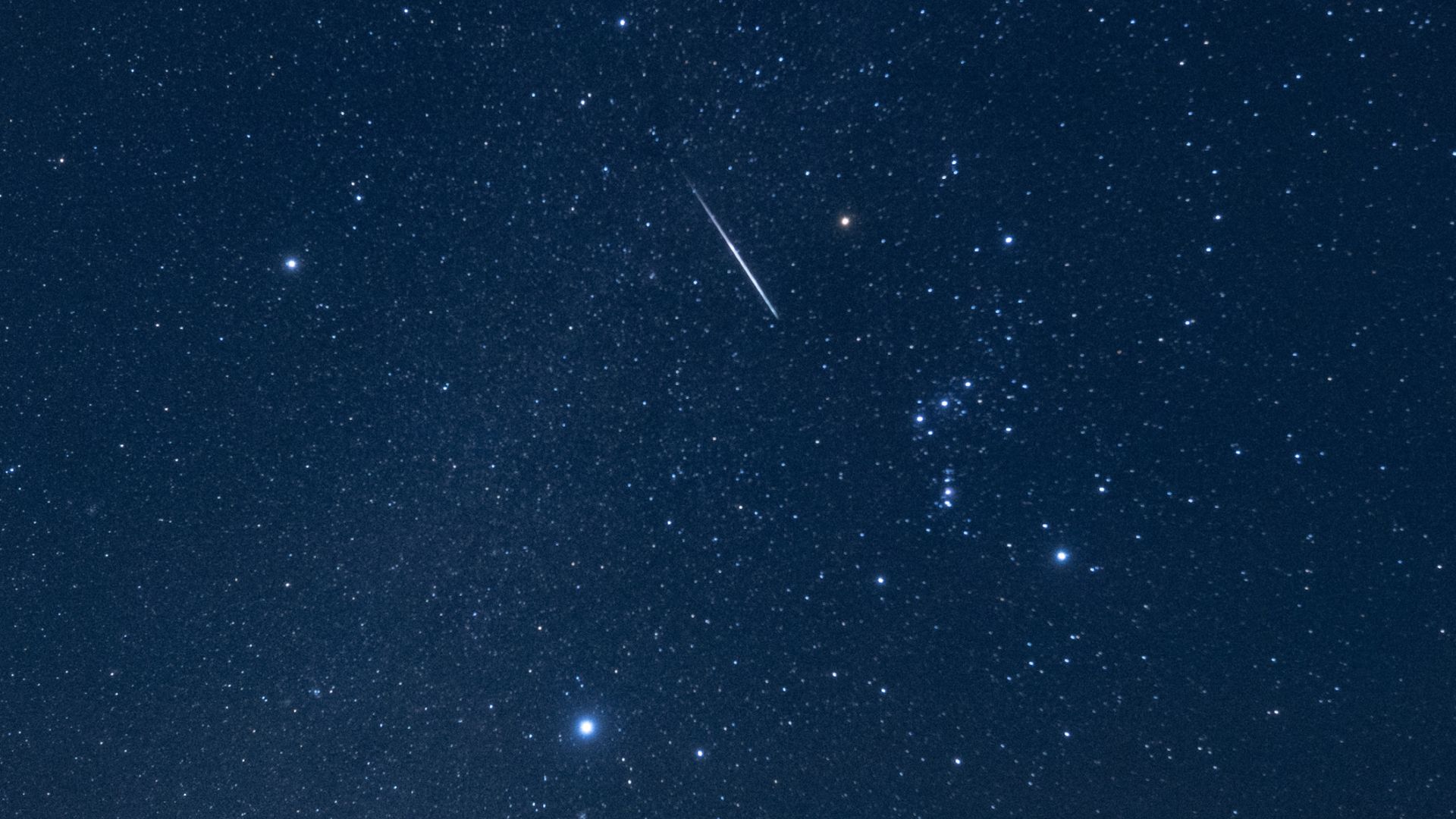
The Orionid meteor shower peaks overnight on Oct. 21-22, bringing a spectacular display of shooting stars to the autumn sky.
When you purchase through links on our site, we may earn an affiliate commission. Here’s how it works.
The Orionid meteor shower peaks overnight on Oct. 21-22, triggering a spectacular display of shooting stars as Earth plunges through the densest part of the debris trail shed by Halley's Comet. Here's what you need to know.
Orionid meteors are best spotted between the hours of midnight and dawn on Oct. 22, when 10-20 shooting stars may be seen brightening the night sky each hour under ideal dark-sky.
The glare cast by the 74%-lit waxing gibbous moon will hide fainter shooting stars for much of the night. Thankfully, the lunar disk will set a few hours after midnight, leaving a window of beautifully dark sky before dawn in which to enjoy the full majesty of the annual meteor shower. Remember to use a trusted website like Time and Date to discover the exact moment of moonset for your location.
Orionid shooting stars will appear to originate from a patch of sky, or radiant, located close to the red giant star Betelgeuse in the constellation Orion, which glistens above the southeastern horizon for stargazers in the U.S. during the early hours of Oct. 22.
For the best views look 40-90 degrees away from the radiant, where the glowing trains left in the wake of the fast-moving meteors will be at their longest. Be sure to head away from artificial lights and allow 20-30 minutes for your eyes to fully adapt to the dark for the best
The Orionid meteor shower is active each year as Earth passes through the stream of debris left behind by Comet 1P/Halley, which was observed by a fleet of spacecraft when it last visited the inner solar system in 1986.
Shooting stars become visible when particles of the ancient comet collide with our planet's atmosphere at 147,600 miles per hour (237,539 kilometers per hour), vaporizing in a spectacular display of natural fireworks.
Hoping to catch a shooting star for yourself? Then be sure to read our guide to photographing meteor showers, along with our picks of the best cameras and lenses for astrophotography.