// 9TO5MAC — MOBILE & WEB
Apple’s first touchscreen MacBook could debut on November 6: Here’s what to expect
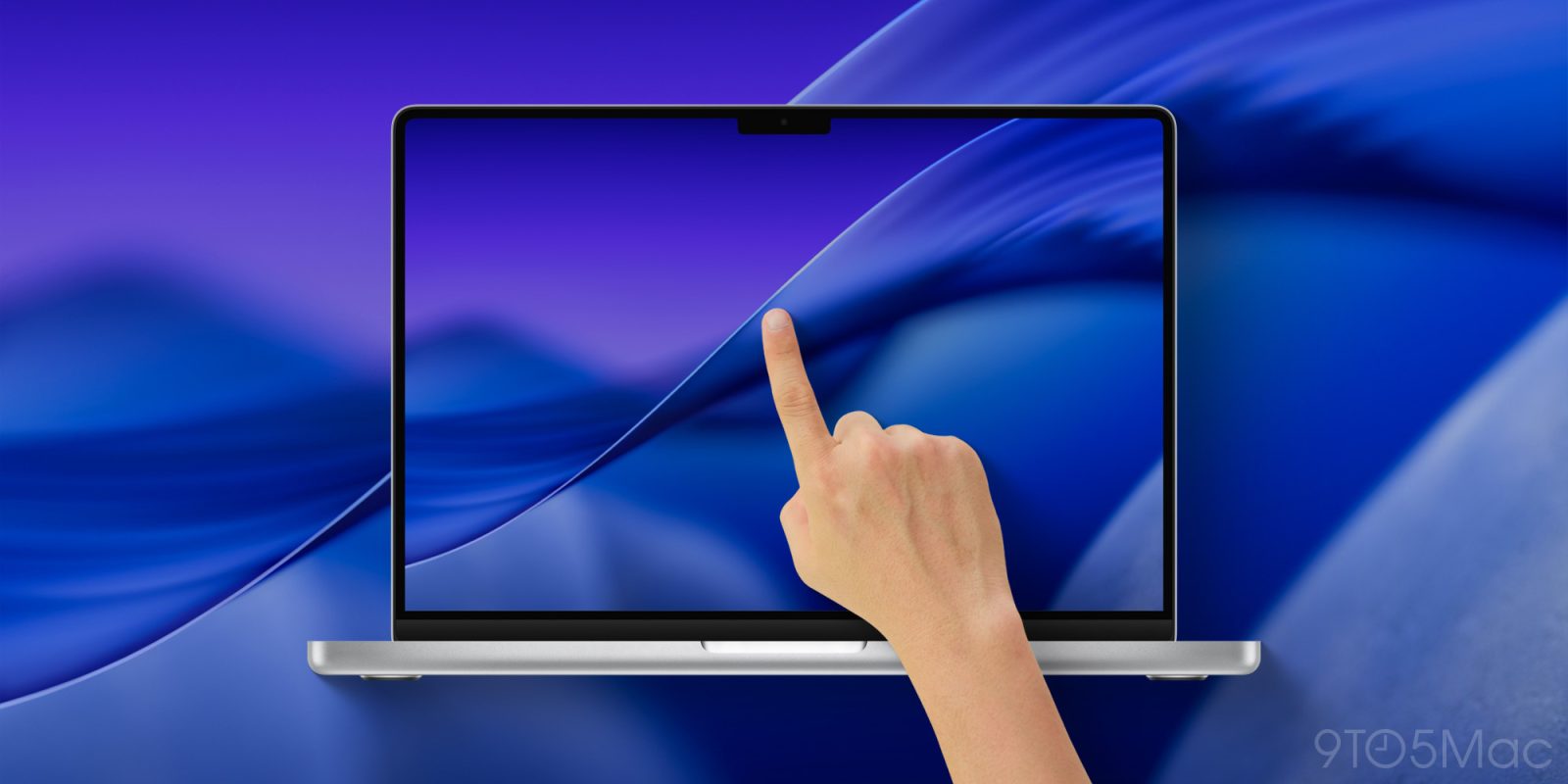
After over a decade of not adopting touch displays on its Mac notebook lineup, Apple will finally be releasing its first touchscreen MacBook as early as November 6th, after announcing it as early as October 27th.
Of course, rumors are rumors – though essentially every reputable source has aligned on the idea of the MacBook Pro gaining support for touch very shortly. Apple even left a few hints in macOS 27: Touch Support in Sidecar, pull to refresh support, and slightly bigger menu bar items.
One could call all of this a mere coincidence, but it’s probably exactly what it looks like. Regardless, here’s what the first touchscreen MacBook will have to offer.
On the display panel side of things, the redesigned MacBook Pro will come with a Tandem OLED display. This will be similar to the iPad Pro, which is often touted as one of the best mobile displays on the market. Tandem OLED comprises of stacked OLED panels, which allows for incredible colors, strong contrast, and increased brightness.
Reports also suggest it’ll come with a Dynamic Island, and it’ll be a bit smaller than the one on the iPhone. It won’t, however, come with support for Face ID.
According to Bloomberg’s Mark Gurman, Apple will have some special optimizations for the first touchscreen MacBook Pro, beyond what’s already visible in the betas of macOS 27:
“For instance, if users touch a button or control, the interface will bring up a new type of menu surrounding their finger that provides more relevant options for touch commands.
The software will also display the most appropriate set of controls based on users’ prior interaction. And if a person taps an item in the menu bar at the top of the screen, the set of controls will enlarge to be more easily selectable with a finger.”
Despite initial reporting suggesting that we’ll be seeing the debut of the M6 Pro and Max in the redesigned MacBook Pro, Apple is now skipping the release of those chips to accelerate the M7. This means that the first iteration of 2nm chips won’t be making their way to the redesigned MacBook Pros, and they’ll instead offer the existing M5 Pro and M5 Max chips.
There won’t be a base model version of this computer quite yet, though rumors suggest that Apple will be launching a base version of the redesigned MacBook Pro with an M7 chip as early as next spring.