// SPACE.COM — SPAZIO & SCIENZA
Elephant Island is an icy sight from orbit | Space photo of the day for Oct. 19, 2026
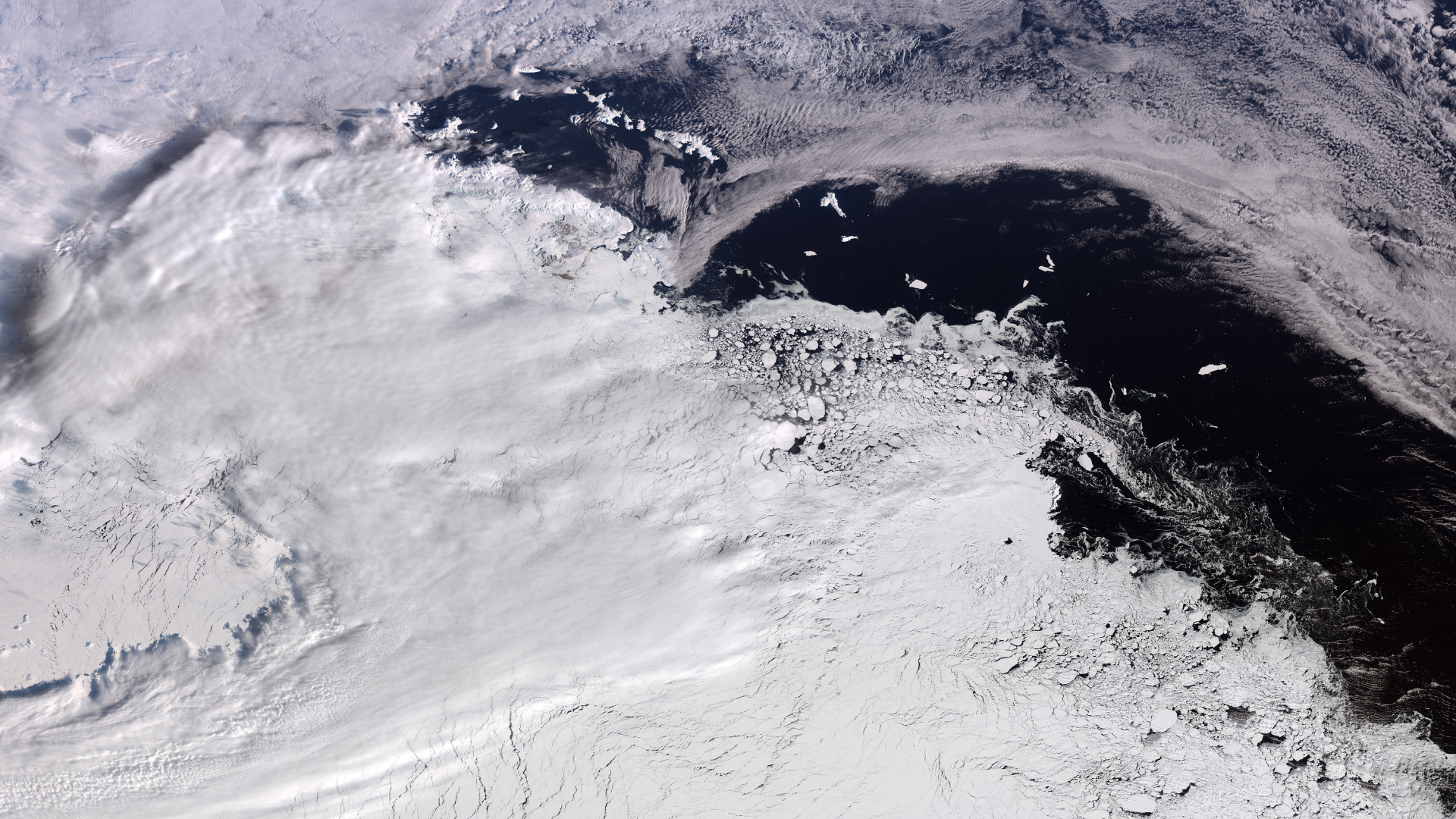
The incredible beauty of Antarctica is evident from space .
When you purchase through links on our site, we may earn an affiliate commission. Here’s how it works.
Antarctica is a magnificent sight, and that beauty is visible all the way from space.
Orbiting planet Earth, the European Space Agency's (ESA) Copernicus Sentinel-3 mission captured a close-up of West Antarctica.
Winter is ending in the Southern Hemisphere, meaning this is the peak of icy weather and sea ice in the Arctic.
In this image snapped by Sentinel-3, you can see a massive swath of ice which includes Elephant Island on the left-hand side. An ice-covered island off the Antarctic coast, Elephant Island floats in the Southern Ocean. It got its name both from the island's shape, which some liken to that of an elephant's head, and the fact that the island is home to a community of elephant seals.
While a seal-inhabited island on the left floats near the Antarctic coast, across the water is a vast, frozen landscape. In just this snapshot, you can see about between 746 and 1,056 miles (1,200 to 1,700 kilometers) of the icy continent.
This image was captured on Sept. 30, 2026. In the Southern Hemisphere, that was just past the end of winter. The absolute peak for sea ice in Antarctica fell just a couple weeks before, on Sept. 14, according to the National Snow and Ice Data Center, ESA reported.
So in this one snapshot, we can see a near-maximum for sea ice in the Antarctic, spanning hundreds of miles. In observing our own planet from space, we are able to peer across vast landscapes, capturing important observational data. This is especially critical for the Antarctic as, with the progression of climate change, this sea ice continues to dwindle, adding to sea level rise among other serious consequences across the planet.
Chelsea Gohd served as a Senior Writer for Space.com from 2018 to 2022 before returning in 2026, covering everything from climate change to planetary science and human spaceflight in both articles and on-camera in videos. With a M.S. in Biology, Chelsea has written and worked for institutions including NASA JPL, the American Museum of Natural History, Scientific American, Discover Magazine Blog, Astronomy Magazine, and Live Science. When not writing, editing or filming something space-y, Gohd is writing music and performing as Foxanne, even launching a song to space in 2021 with Inspiration4. You can follow her online @chelsea.gohd and @foxanne.music