// SPACE.COM — SPAZIO & SCIENZA
When will SpaceX and Blue Origin fly to the moon? NASA reveals lunar lander timelines (and an Artemis III update)
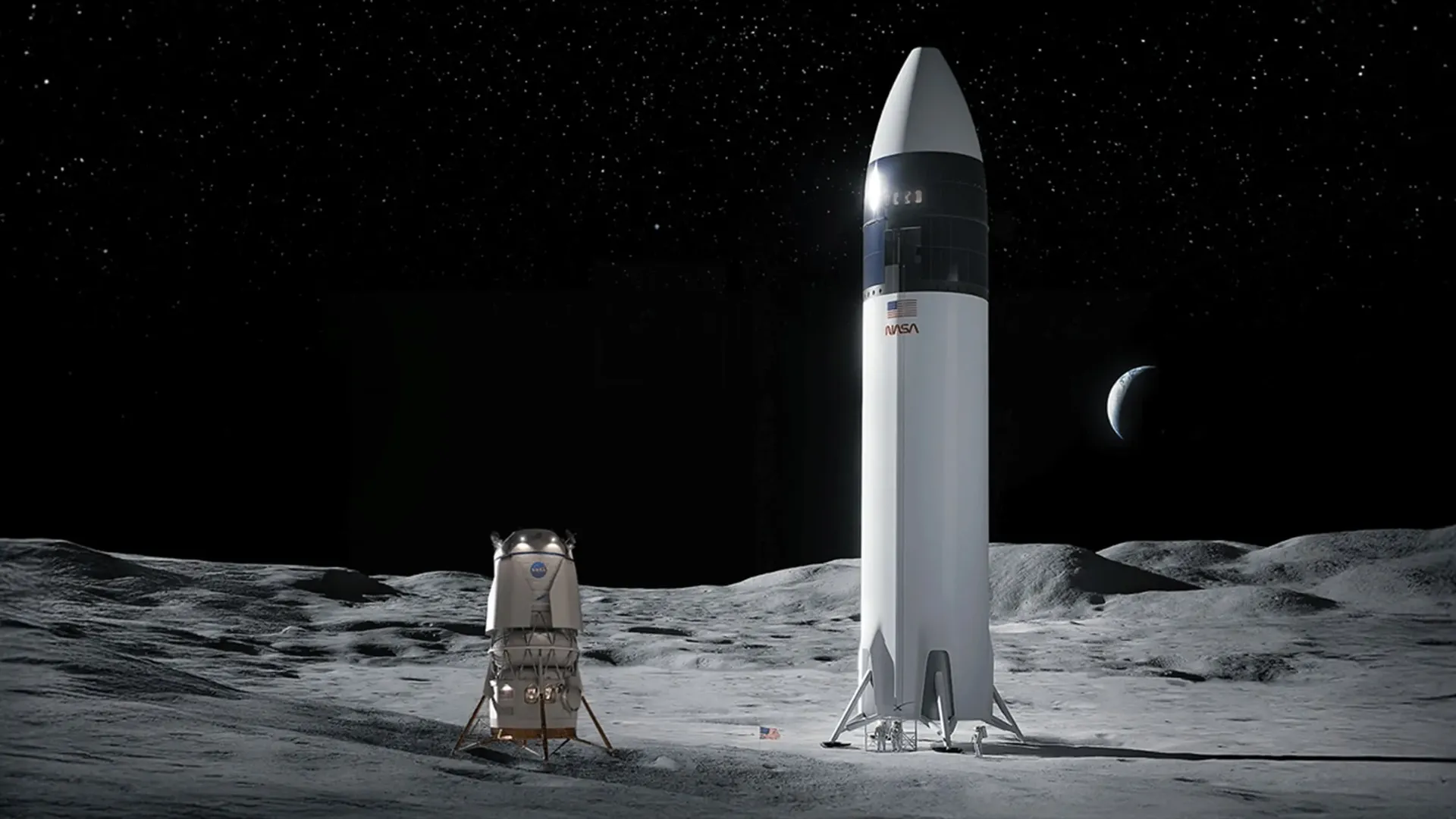
If NASA's timeline holds, there are going to be some exciting launches over the next 12 months.
When you purchase through links on our site, we may earn an affiliate commission. Here’s how it works.
NASA has revealed new details about its plans to return astronauts to the surface of the moon, outlining a series of upcoming milestones for SpaceX and Blue Origin as both companies race to ready their lunar landers for the agency's Artemis program.
During an Oct. 5 presentation at the Astronautical Congress (IAC) in Antalya, Türkiye, Steve Creech, acting manager of NASA's Human Landing System (HLS) Program, laid out development timelines for both spacecraft, with key demonstrations planned through early 2028 that include orbital refueling and uncrewed lunar landing tests to qualify the vehicles to fly astronauts to the surface of the moon.
A more pressing deadline, however, is NASA's Artemis III mission, which is targeted for the third quarter (Q3) of 2027. Artemis III will launch four astronauts aboard NASA's Orion spacecraft to low Earth orbit (LEO), where they will rendezvous and dock with test versions of both companies' landers for interoperability checkouts. Those demonstrations will help inform NASA's determination about which lander the agency will choose to carry astronauts to the moon's surface on Artemis IV, targeted for early 2028.
SpaceX and Blue Origin were both awarded NASA contracts to develop HLS vehicles — Starship and Blue Moon, respectively — and have spent the past several years refining their respective lunar lander designs and dealing with various delays along the way. In the face of those delays, and in an effort to better structure its mission progression for success, NASA overhauled its Artemis program architecture in February to maintain its goal of landing astronauts on the moon by the end of 2028 and establish a more regular cadence of uncrewed landings in the meantime.
As part of that shakeup, Artemis III, previously the program's first crewed lunar landing mission, was moved up a year and repurposed for the lunar lander vehicle tests the agency is preparing to fly to LEO next year. The program's first moon landing remains scheduled for 2028, but was shifted to the manifest for Artemis IV.
Between now and then, both SpaceX and Blue Origin have more than a dozen test demonstrations and vehicle milestones to achieve, including success during Artemis III and flights afterward. This will all lead up to a key decision NASA must make: Which vehicle will carry out the first crewed landing on the surface of the moon since the Apollo program ended in 1972?
Starship reached for the first time on its most recent test flight, which occurred on Sept. 28 from SpaceX's Starbase site in South Texas. NASA lists several other important goals for the vehicle to achieve in 2026, including (in the order listed during the IAC presentation) the first return and catch of the rocket's upgraded Version 3 (V3) booster at its launch pad; the first-ever return and catch of a Ship upper stage; the first Starship launch from one of SpaceX's launch pads still under construction on Florida's Space Coast; and, possibly, the first V3 booster reflight.
NASA also expects SpaceX to complete the initial build of the crew cabin for its lunar lander Starship variant. SpaceX released renders of Starship's interior last year, as well as images of the test elevator astronauts are using to train for Starship egress on the lunar surface, but little else has been made public about the progress the company has made on the cabin's design.