// TOM'S HARDWARE US — HARDWARE & GADGET
Claude and Grok among AI agents used to automate attacks on Latin American institutions
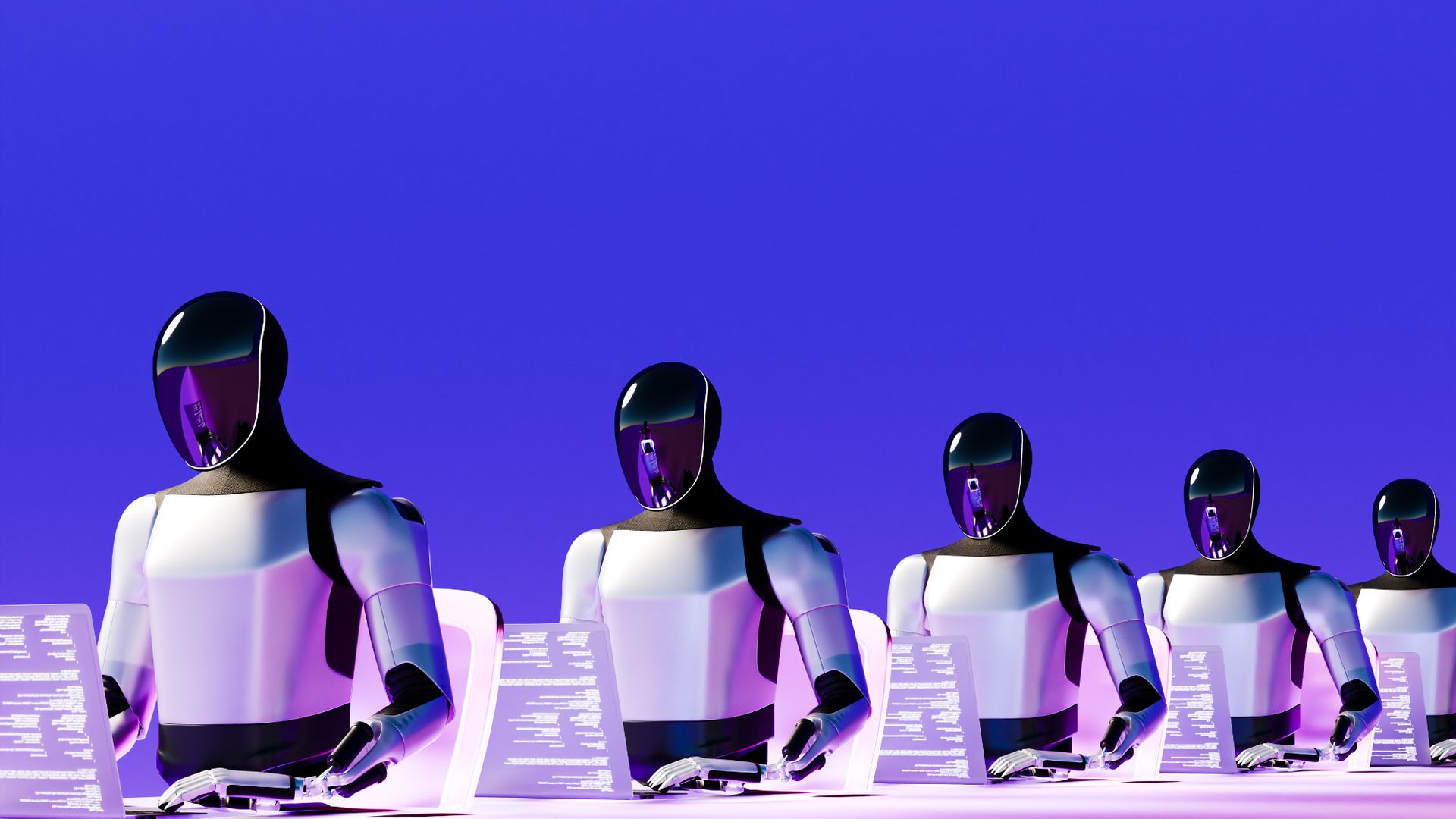
AI agents have been used to attack more than 400 institutions by a group called CyberCartel.
When you purchase through links on our site, we may earn an affiliate commission. Here’s how it works.
CyberCartel, a hacking group with a long history of targeting Latin American businesses, has been using AI agents, including SpaceX's Grok and Anthropic's Claude, to automate attacks on financial institutions such as banks and mobile payment apps. Passwords and customer data have been stolen, while individuals' bank accounts have also been accessed with little input from criminals in the latest example of criminals turning to AI-powered cyberattacks. That research comes from a cybersecurity startup called Straiker, with its findings shared by The Information.
While CyberCartel has been an active threat since at least 2012, its new leveraging of the power of AI has leveled up its attacks in recent months. Now, the research shows that the group can attack more businesses at a speed previously not possible when using human-powered hacks. Straiker shared its research with both SpaceX and Anthropic, and both firms are working to lock CyberCartel out of their services. The latter has already been able to block access to Claude. Chinese lab Moonshot AI's agent has also been used by the hacking group, but Straiker is still trying to get in touch with the company.
While it's true that AI models normally have protections in place to prevent them from being used to carry out cyberattacks, they've proven surprisingly easy to bypass. In this case, CyberCartel reportedly simply told the models that they were being used in test environments. If one model refused to proceed, the hackers used a different model. If that also refused, the AI agents would be tasked with deploying malware instead.
Notably, CyberCartel doesn't appear to be using Anthropic's Mythos for its recent attacks. The company caused a stir earlier this year when it announced the new model, warning that hackers could use it and models like it for attacks like those carried out by CyberCartel. Its release also saw security teams around the globe rush to address thousands of vulnerabilities that the model had identified.
This is far from the first time that Anthropic has been faced with the news that its AI is being used by bad actors. The company shared details of its AI being used to carry out a cyberattack in November 2025. Later, Claude was used to break the security of OpenAI, an Anthropic competitor in the AI space. That hack was carried out by researchers rather than criminals, at least.
Raiker's research on AI-powered attacks on Latin American financial institutions comes just days after news broke that South Korean authorities are investigating a similar issue affecting local banks. Hana Bank, KB Kookmin Bank, and Shinhan Bank are among the South Korean banks affected, with at least 25,000 Shinhan Bank customers having their personal credit information leaked.
AI companies are well aware of the risks their products pose. Nvidia, the graphics card company that now focuses on producing hardware for AI data centers, recently launched the Open Agent Safety Platform. The software platform and reference system design were developed to secure rogue AI agents via a new hardware and software security stack. It's hoped that it will go some way toward preventing agents from escaping their sandboxes, executing unauthorized code, gaining unauthorized access to critical infrastructure, or bypassing guardrails.
Get Tom's Hardware's best news and in-depth reviews, straight to your inbox.