// ARS TECHNICA — SPAZIO & SCIENZA
SpaceX no longer needs NASA, and that's a problem for America's space agency
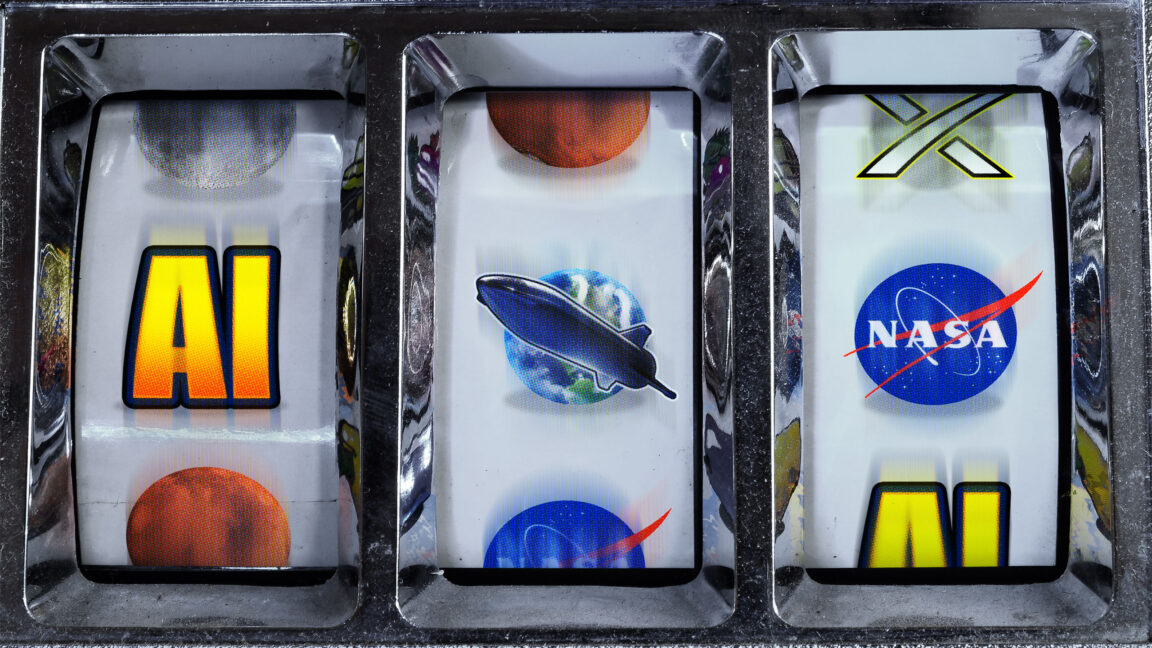
“NASA desperately needs SpaceX, and SpaceX knows it, and Elon knows it.”
For nearly a quarter of a century, Elon Musk and his essential partner at SpaceX, Gwynne Shotwell, viewed the United States government as El Dorado, the mythical city of gold.
Like machete-wielding treasure hunters, Musk and Shotwell hacked through a tangled jungle filled with lurking carnivores such as Boeing and Lockheed Martin, as well as bean counters and regulators. Over time, against long odds, the pair cleared a path for SpaceX to contracts at NASA and the US military. They sued when things did not go their way. They hollered about unfair playing fields. Most importantly, they delivered quality space products to the US government for less.
And so, after a while, SpaceX found El Dorado and a city of contracts.
Then they started winning everything. So much so that the relationship between the customer and contractor began to change. Slowly at first, but ever more quickly, SpaceX went from needing the US government as an indispensable customer to becoming an indispensable contractor for the nation.
The pendulum has swung so far now that SpaceX seems increasingly disinterested in the US government for most contracts outside of data services, such as Starshield for military communications and observations.
“I guess I am still in denial that there is a divorce pending,” said Lori Garver, a deputy NASA administrator during the Obama White House years who was instrumental in expanding the agency’s use of commercial contracts with companies like SpaceX. “I literally cannot wrap my head around a future yet where SpaceX stops flying Dragon and Falcon. Not yet.”
But the signs point to at least a partial breakup. Consider the following data points:
To be clear, SpaceX is still fulfilling its existing contracts with NASA, the US Space Force, and other government entities. And it continues to do so at a lower cost and generally higher level of reliability than pretty much anyone else.
But the company is no longer signing many large new contracts for spaceflight services, at least in the traditional launch and in-space flight domains. The shift comes after 15 years in which the US government has grown accustomed to lower costs and rapid innovation that has revitalized the nation’s access to space.