// ENGADGET — HARDWARE & GADGET
Here's how much RAM cost in 2020 vs. 2026
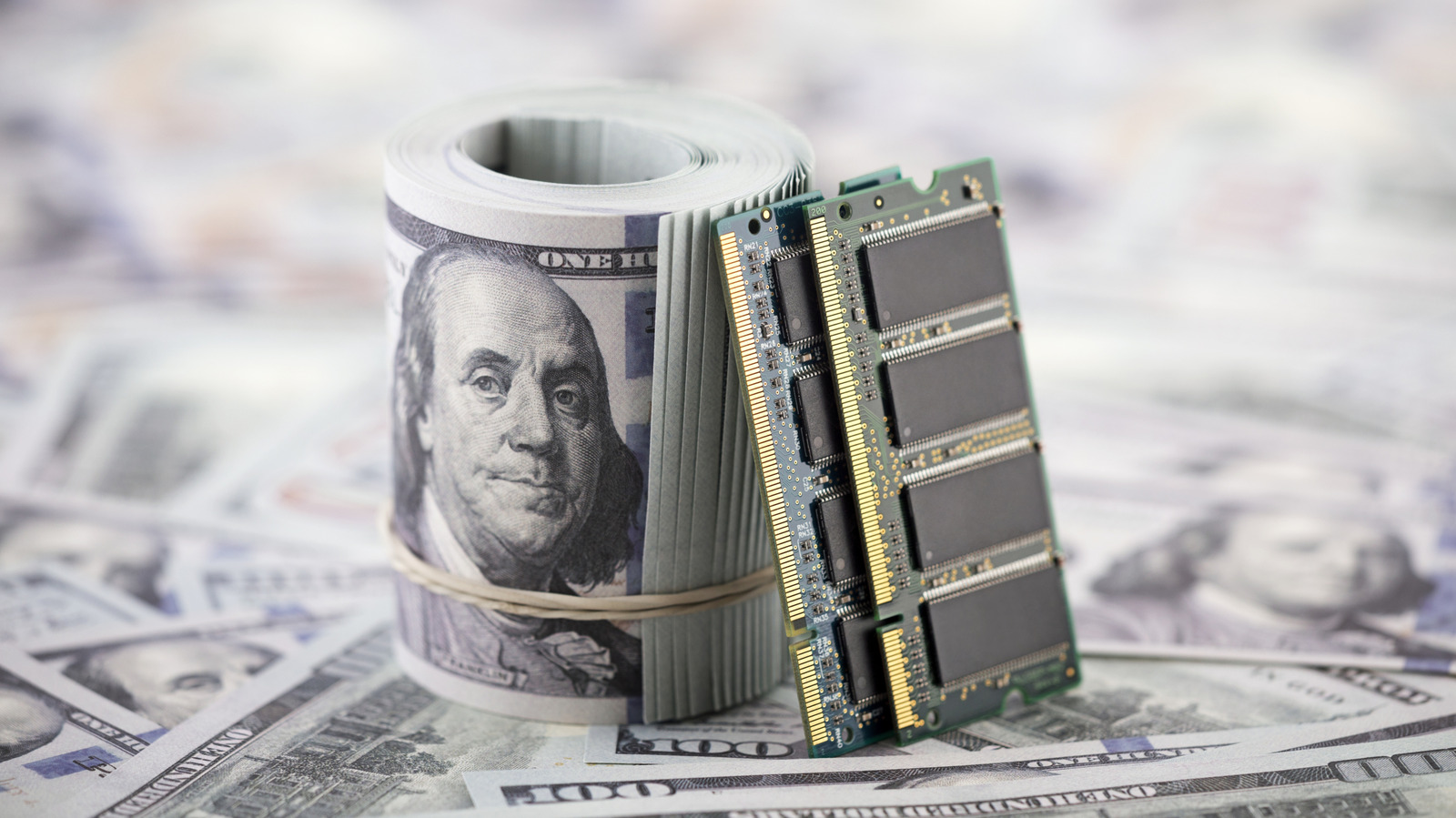
Even older DDR4 RAM is still much more expensive, and the used market isn't much of a refuge.
In 2020, $94.99 could buy you a 32GB DDR4-3200 RAM kit. In October 2026, the cheapest comparable kit listed in a price tracker cost $198. It's even more expensive to build a newer DDR5 system, with 32GB of DDR5-6000 memory starting at $454. And that's before you've even bought a graphics card or dealt with rising SSD and HDD prices.
Most of that price hike arrived in recent months. Since late 2025, growing demand from AI data centers has been pushing up memory prices for consumers. Even secondhand RAM isn't the bargain it once was.
In October 2020, an archived Newegg promotion offered a 16GB GeIL DDR4-3200 kit for $59.99 and a 64GB G.Skill kit for $204.99. A separate November promotion listed a 32GB Team T-FORCE VULCAN Z DDR4-3200 kit for $94.99.
Compare those prices with Tom's Hardware's October 16, 2026 price tracker. The cheapest DDR4-3200 listings at the time of writing were $104 for 16GB, $198 for 32GB and $489 for 64GB. That's approximately 73 percent, 108 percent and 139 percent more, respectively. These are retail snapshots rather than annual averages, and while the brands and memory timings differ between listings, the capacities and advertised speeds match. That gives us a reasonable picture of how much RAM prices have risen.
The comparison is even worse with DDR5. It didn't reach mainstream desktop PCs until late 2021, so there's no direct comparison for 2020. In October 2025, however, standard 32GB DDR5 kits could be found between $100 and $200. A year later, the cheapest DDR5-6000 kit cost $454 for 32GB and $915 for 64GB. That's a massive jump for an upgrade that was relatively affordable just a year earlier.
The AI boom has been good business for memory manufacturers, though PC builders likely have other words for it. AI data centers need conventional server RAM alongside specialized high-bandwidth memory. Meanwhile, major suppliers have been scaling back some DDR4 production despite continued demand, prioritizing newer and more profitable products. Conventional DRAM contract prices rose by approximately 93 to 98 percent quarter over quarter in the first quarter of 2026, according to TrendForce. Those are wholesale figures, but retail prices have been rising too.
A good example is Micron's decision to exit the Crucial consumer business earlier this year. The company cited growing AI data center demand and a focus on larger customers, but didn't specify how much manufacturing capacity would shift. HP also said memory and storage together would account for about 35 percent of its PC component costs in 2026, up from 15 to 18 percent the previous quarter. It also warned of PC price increases.
The used market offers some relief, though you shouldn't expect 2020 prices. A 32GB Corsair DDR4-3200 kit sold on eBay for $129.99 plus $9 shipping ($138.99 total) in September 2026. That's about $59 less than October's cheapest new DDR4 equivalent, but roughly 46 percent more than the $94.99 new kit from 2020. One listing doesn't establish prices across the entire used market, though it shows that secondhand RAM isn't necessarily cheap.
Used RAM can perform just as well as new, but Corsair's limited lifetime warranty generally doesn't transfer to secondhand buyers. Always check compatibility and the seller's return policy, and test the memory with MemTest86 before the return window closes. Low-cost registered ECC server memory isn't a drop-in replacement for standard desktop RAM either. Reusing existing DDR4 sticks saves money but it limits your motherboard choices. AMD's AM5 platform, for example, requires DDR5.