// TOM'S HARDWARE US — HARDWARE & GADGET
OpenAI introduces program to reduce AI data center energy demand during peak hours
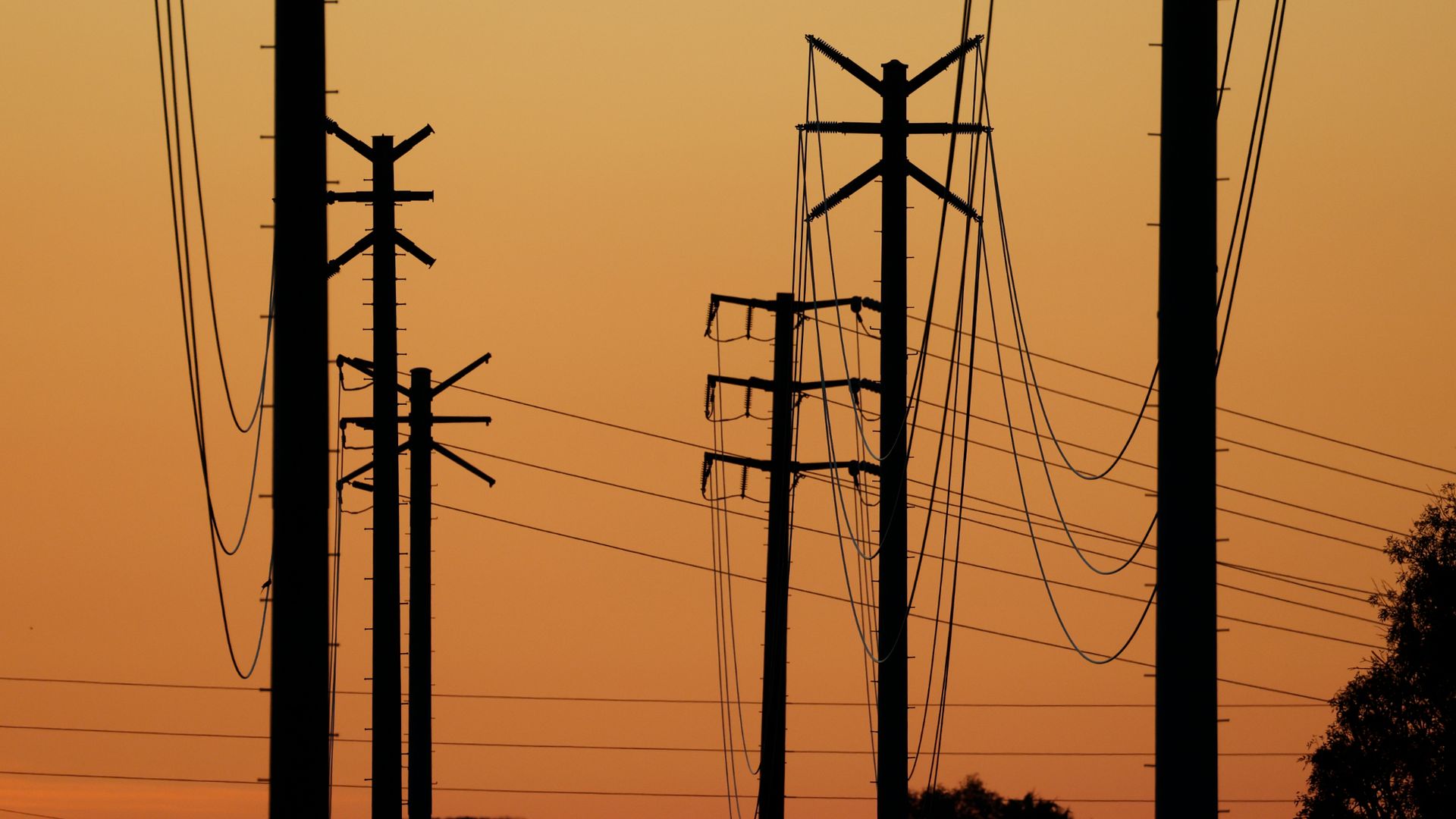
This move could help data centers operate sooner without waiting for the rest of the grid to catch up to its peak demand.
When you purchase through links on our site, we may earn an affiliate commission. Here’s how it works.
Electricity consumption is one of the biggest concerns that residents bring up whenever a data center is proposed in their community, which is why OpenAI is taking steps to minimize its impact on the local electricity grid. According to the company, its Grid Protectors Program aims to reduce the power consumption of its data centers as local demand increases, ensuring that the grid is not overwhelmed during peak hours. Aside from ensuring that the lights remain on for everyone, it would also allow its data centers to connect to the grid and go online sooner instead of waiting for the additional power sources to come online.
“Whether it’s heating homes during a northern cold snap or running air conditioning through a southern heat wave, families need reliable electricity. Our goal is to make campus flexibility a resource that utilities can call on when communities need it most,” OpenAI said in its blog. It also added, “Through Grid Protectors, our ambition is to make this kind of flexibility a core part of how we build and operate future campuses. That means designing facilities to reduce electricity use when needed and working with utilities to agree on how much demand can be reduced, how quickly and for how long. The arrangements will differ by location, and we will share additional commitments as they are finalized.”
OpenAI is testing the program in its planned Effingham County campus in Georgia, with the company saying that it has already signed a 3.2-gigawatt agreement with Georgia Power that included 1,000 megawatts of flexible demand response. This ensures that if demand jumps on the hottest days of the year, there would be enough power to accommodate the hundreds of thousands of air conditioners keeping Georgians cool. With the average American home drawing around 1,200 kilowatts, the 1,000-megawatt buffer is more than enough to power around 800,000 households — nearly 20% of the state’s homes.
This technology, called demand response, has been around for decades now, where large operators reduce their demand in response to a peak in demand from other consumers. Before automation, grid operators would manually call up industrial customers like steel mills and ask them to cut consumption to ensure the reliability of the entire grid. But with modern technologies and IoT, it can now be done automatically, allowing data centers to reduce their load in under a minute. In fact, Nvidia has already been experimenting with a similar system in the UK and has proven that it works.
Follow Tom's Hardware on Google News, or add us as a preferred source, to get our latest news, analysis, & reviews in your feeds.
Get Tom's Hardware's best news and in-depth reviews, straight to your inbox.
Jowi Morales is a tech enthusiast with years of experience working in the industry. He’s been writing with several tech publications since 2021, where he’s been interested in tech hardware and consumer electronics.