// ARS TECHNICA — INTELLIGENZA ARTIFICIALE
It's a weird time to buy a laptop, but the new MacBook Pro doesn't skimp on quality
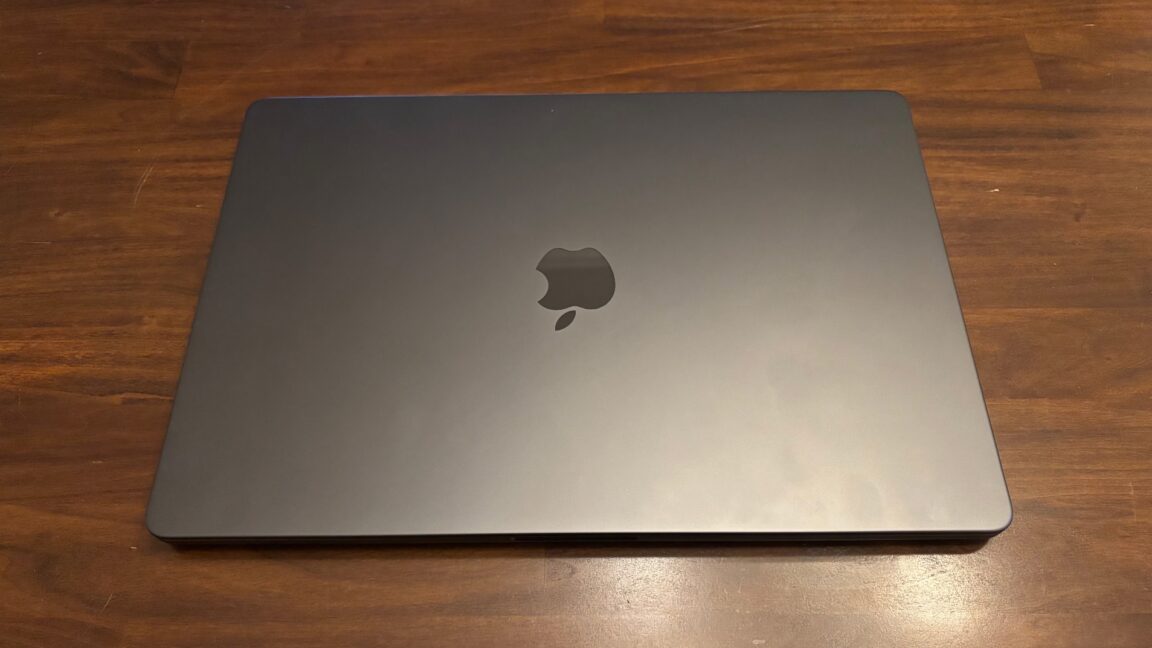
It has the best laptop screen we’ve used, but there may be reasons to wait.
Let’s get that out there right away, because for a lot of people, it will be the only thing that matters. As with so many things in life, though, you get what you pay for. There’s no questioning the quality of the laptop’s display or most of its other hardware components.
But should you buy it? Well, that’s a complicated question in 2026.
We’re in a time of great uncertainty when it comes to buying a computer. Prices are at levels we’ve not seen in recent history, and they may well keep climbing. Meanwhile, users paying close attention to the early developments in both local and agentic artificial intelligence are asking an important question: “What will computing even look like in a few years, and what does that mean for the computer I should buy today?”
Apple’s new MacBook Pro sits at the intersection of all of this uncertainty. In multiple ways, it’s also straddling different worlds.
It arrives amid a changing of the guard in Apple’s leadership, potentially raising questions about the future direction of Apple’s ecosystem. It’s a mass-market consumer product, but configuring it with enough RAM and storage to make it feel future-proof pushes its price into territory mostly only well-funded businesses can afford. It’s firmly rooted in the computing paradigms of the past 20 years, but it shows early signs of flirtation with new AI workflows. It’s a conventional Apple laptop in most ways, but it also has a touchscreen—something that would never have happened in a prior Apple era.
It’s an outstanding, high-quality product, but whether it’s something you should buy depends on you—what you’re doing right now, what you’ll be doing in the future, and what you value.
For most of the specs we look at, Apple isn’t claiming any difference here. The new MacBook Pro promises 24 hours of battery life (though you’d have to use it in a conservative way to achieve that), it has the same ports (three Thunderbolt, one HDMI, one SDXC, and MagSafe), and it has the N1 chip for Wi-Fi 7 and Bluetooth 6 connectivity.
And like its immediate predecessor, it offers the M5 Pro and M5 Max chips as options. Running synthetic benchmarks, we found no meaningful difference at all compared to when we ran the same tests on the previous model, so we won’t spend time discussing their performance today. We’ve covered both thoroughly in prior reviews, and you can read up there if you’d like.
The chips are more than fast enough for normal workflows for the foreseeable future, including most 3D work. AI inference is the main area where they may be less future-proof. To be clear, they’re strong enough for now, but the field is evolving rapidly, and there’s reason to expect significant improvements in future chips on this front.