// TOM'S HARDWARE US — HARDWARE & GADGET
Samsung, SK hynix, and Micron form unlikely alliance to standardize robot charging as chipmakers push toward unmanned fabs
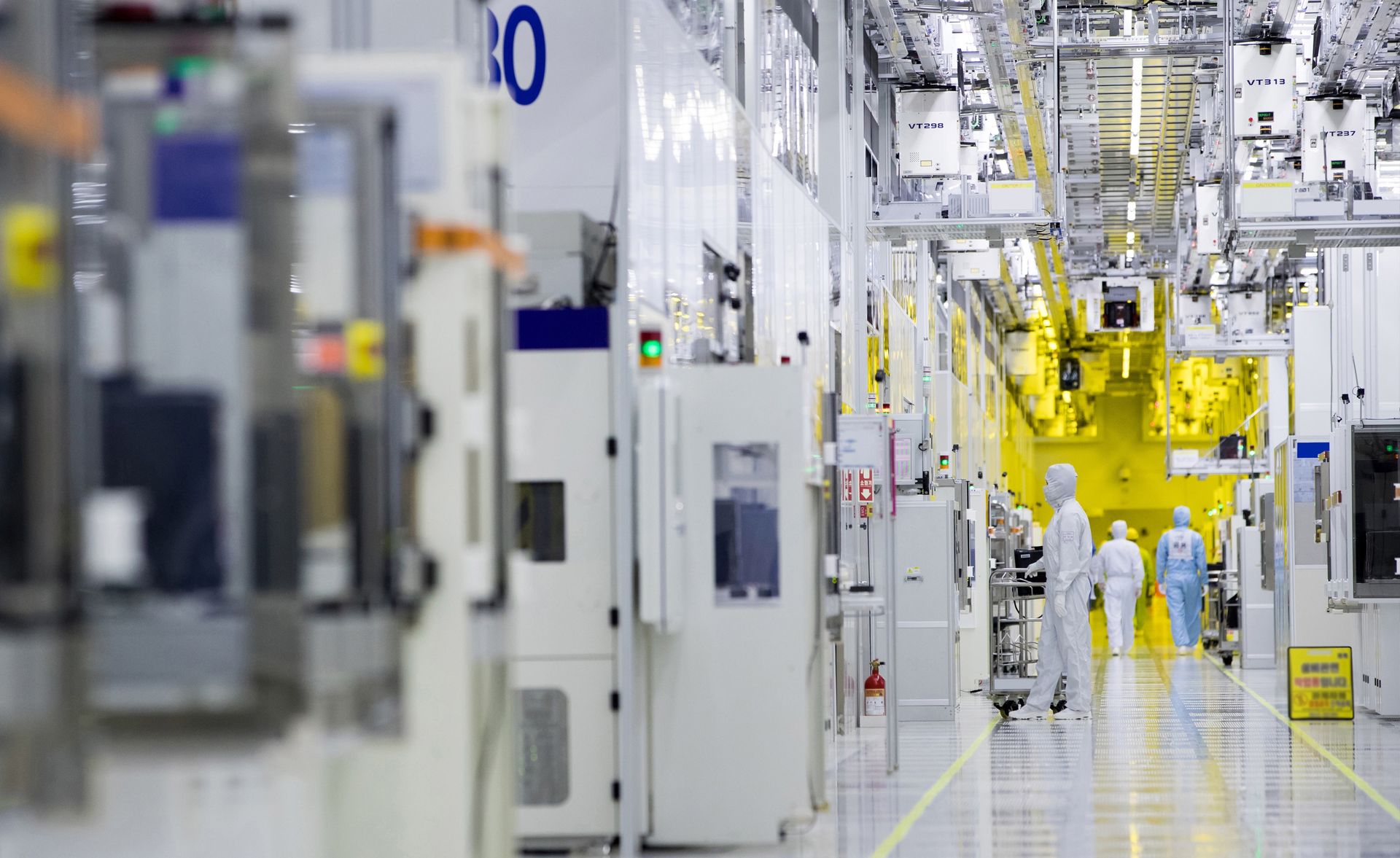
Semiconductor manufacturers are increasing automation to boost the productivity of existing fabs
When you purchase through links on our site, we may earn an affiliate commission. Here’s how it works.
Samsung Electronics, SK hynix, and Micron are reportedly working together to develop common charging standards for mobile robots used in semiconductor fabrication plants, according to a new report. Representatives from the three companies have reportedly formed an early-stage consultative body to lead standardization efforts, alongside major industry stakeholders such as the Semiconductor Equipment and Materials International (SEMI) industry association.
According to a report by Seoul Economic Daily, the initiative aims to establish common technical specifications that would allow robots from different manufacturers to share charging equipment, reducing the cost and complexity of deploying large robotic fleets across semiconductor manufacturing facilities. The broader goal is to accelerate factory automation, particularly in older fabs, while laying the groundwork for fully autonomous semiconductor manufacturing.
So why are three of the world's biggest memory manufacturers, who are also competitors, coming together to establish standards for the robotics industry? What exactly does the collaboration involve? And what are the implications of something as seemingly minor as robot charging for the broader semiconductor and robotics industries?
Soaring demand for semiconductor memory chips used in AI infrastructure has driven manufacturers to automate as many production processes as possible to optimize manufacturing speed and capacity in existing facilities to increase output, while they build additional fabs. Modern semiconductor fabs already have extensive automation systems. However, even these facilities still require human workers for certain operations, such as moving materials between floors and unpacking products, that existing automation systems cannot perform. The issue is even more pronounced in older fabs, which generally have fewer automated material-handling systems and still rely on workers to move wafer containers using manual carts.
One potential solution is to hand these remaining manual operations over to mobile robots, allowing manufacturers to automate tasks without undertaking extensive renovations or installing complex fixed transport systems. These could include autonomous mobile robots (AMRs) that transport materials around the factory, mobile manipulators that combine robotic arms with moving platforms, and humanoid robots capable of performing more complicated handling tasks.
The problem, however, is that these robots come in different builds and configurations, often with their own batteries and accompanying charging infrastructure. A semiconductor fab deploying multiple robot models from different manufacturers could consequently end up requiring separate charging stations for each model. In addition to increasing equipment and maintenance costs, these installations consume valuable factory floor space.
The proposed initiative seeks to address this problem by establishing common charging specifications that different robot manufacturers can adopt. Standardized charging infrastructure would allow multiple types of robots to use compatible charging stations, reducing the need for separate installations and making it easier for semiconductor manufacturers to expand their robotic fleets without adding operational inefficiencies.
The alliance is considering standards covering battery specifications for different mobile robots, charging-station equipment and communication protocols, charging connectors, and battery management systems (BMS). Together, these specifications would establish common requirements for the physical and electronic interfaces involved in charging robots inside semiconductor fabs.