// ENGADGET — INTELLIGENZA ARTIFICIALE
Xiaomi's 18 Pro series can generate vibe-coded apps for its tiny rear display
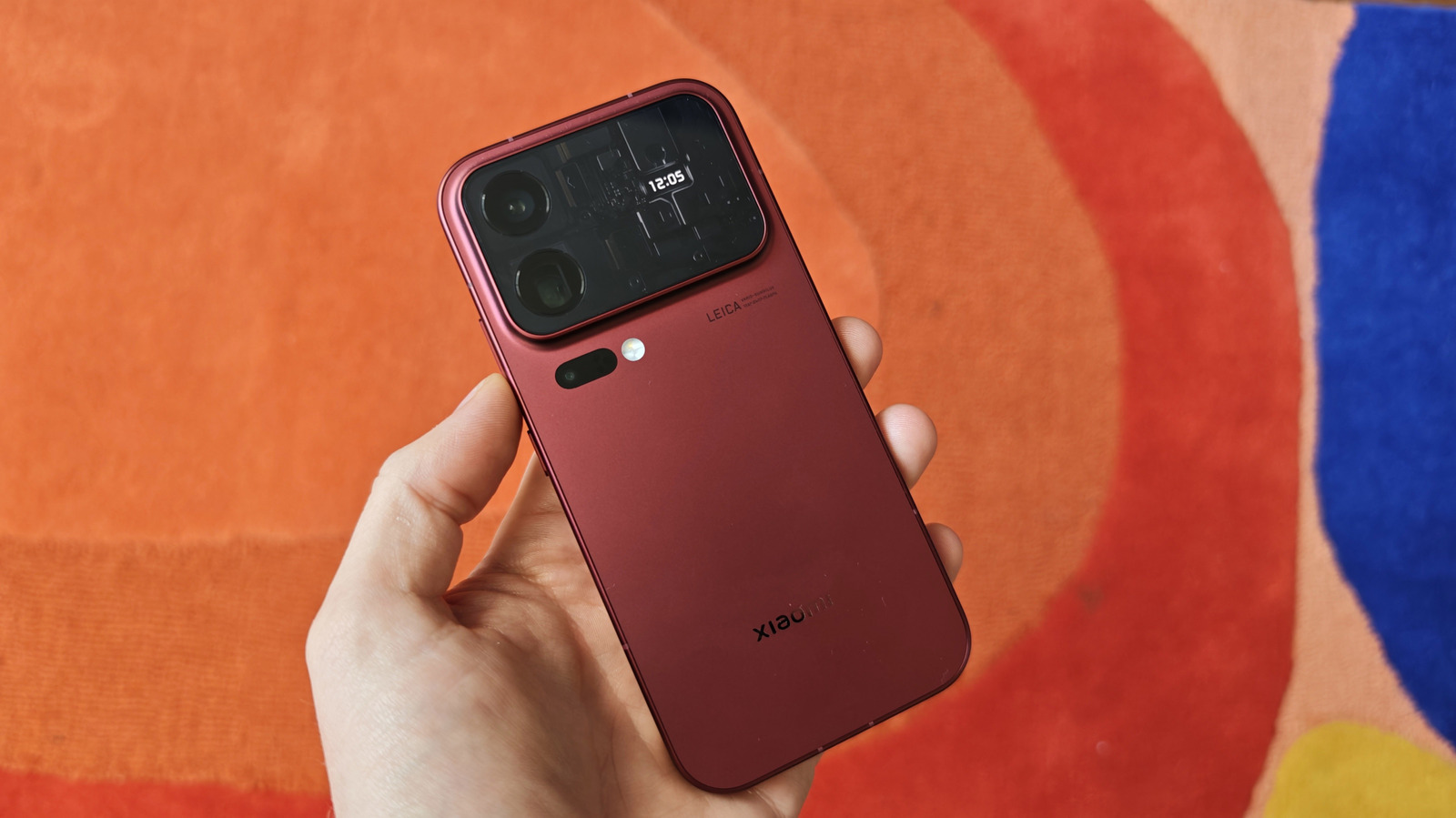
The cameras don’t seem to reach the dizzying heights of last year’s 17 Ultra.
Xiaomi's premium smartphone series has been in great form in recent years. Alongside last year's 17 Ultra (and its Leica-collab camera), it launched its own passport-shaped foldable, the technically impressive 18 Fold, just before Apple debuted the iPhone Duo.
Its new phones, the Xiaomi 18 Pro and 18 Pro Max, combine a more advanced rear display with some of the company's latest innovations found on the 17 Ultra and its foldables. Naturally, because it's 2026, that includes a serving of AI assistance and generative AI, but Xiaomi brought some genuinely smart ideas to the latter. The Pro series is launching in more regions this year, including the UK and other parts of Western Europe, but still won't come to the US. The 18 Pro Max is priced at £1400 (roughly $1,850) and the 18 Pro at £1,199 (around $1,580), continuing this year's upward trajectory of smartphone prices. Both are priced higher than Xiaomi's flagship (and my favorite camera phone), the 17 Ultra.
The Xiaomi 18 Pro Max has a 6.9-inch main display and a slightly larger 2.9-inch rear display. The 18 Pro, meanwhile, has a 6.40-inch screen with a 2.7-inch rear display. The Pro Max model also features Snapdragon's new 8 Elite Extreme Gen 6 chip, with up to 16 gigs of RAM, while the 18 Pro has a (still powerful) Snapdragon 8 Elite Gen 6 with 12GB of RAM.
There are also battery capacity differences between the two phones. The Xiaomi 18 Pro has a 6,000mAh cell with 90W max charging, but if you're demanding more battery life, the Pro Max has a larger 7,050mAh battery and 100W fast charging.
The hardware feels decidedly premium, complemented by a couple of vivid color options, including a gorgeous Velvet Red finish last seen on Xiaomi's latest foldable. Both phones will also come in Black, White and Cosmic Blue colors. Even if you choose the vivid red or blue models, it's the small back display that catches the eye first.
The Back Display uses the same display tech as the Xiaomi 18 Pro series' screen, peaking at 4,000-nit brightness and up to 120Hz refresh rates, though chances of seeing those upper limits are probably few and far between. Both the back display and camera array are protected with a single Corning Gorilla Glass Victus cover, making a surprisingly busy back look a little more cohesive.
The Back Display's functions fall into two main categories. First, like the flip foldables we've seen in recent years, it works as a display for the phone's primary cameras. The back display's viewfinder automatically switches to ultra-wide if it spots three or more people in the shot, but otherwise it's a stripped-down version of the camera app. While it makes sense, given the smaller screen space for buttons and modes, it relegates many shooting modes and features to the main camera app on the phone's main screen.
Alongside the notifications and information feeds we've seen on phones like Samsung's Z Flip series and Motorola's Razr phones, including calls, maps and weather, Xiaomi adds a pin-to-back function that lets you attach text and images for quick reference. The company suggests pinning boarding passes and QR codes, but you could also add a cute pic of family or pets. It's also the first rear display to support apps like Spotify, YouTube Music and Google Maps – hopefully more apps will join those. Xiaomi said Gemini Live can run on the rear display, but I haven't been able to get it to work on my 18 Pro yet.
The new feature on this year's Back Display lets you program your own mini apps, similar to how you can program the iPhone's recent AI-infused Shortcuts. Using GenAI, you can describe a lightweight app or function, and the Xiaomi 18 Pro will attempt to make it a reality. It's a clever way to sidestep the difficulty of getting app developers on board with niche screen sizes and proportions. Xiaomi promises over 50 preset apps at launch, although the selection was much more limited o