// ENGADGET — MOBILE & WEB
What are the actual differences between cheap and expensive sound systems?
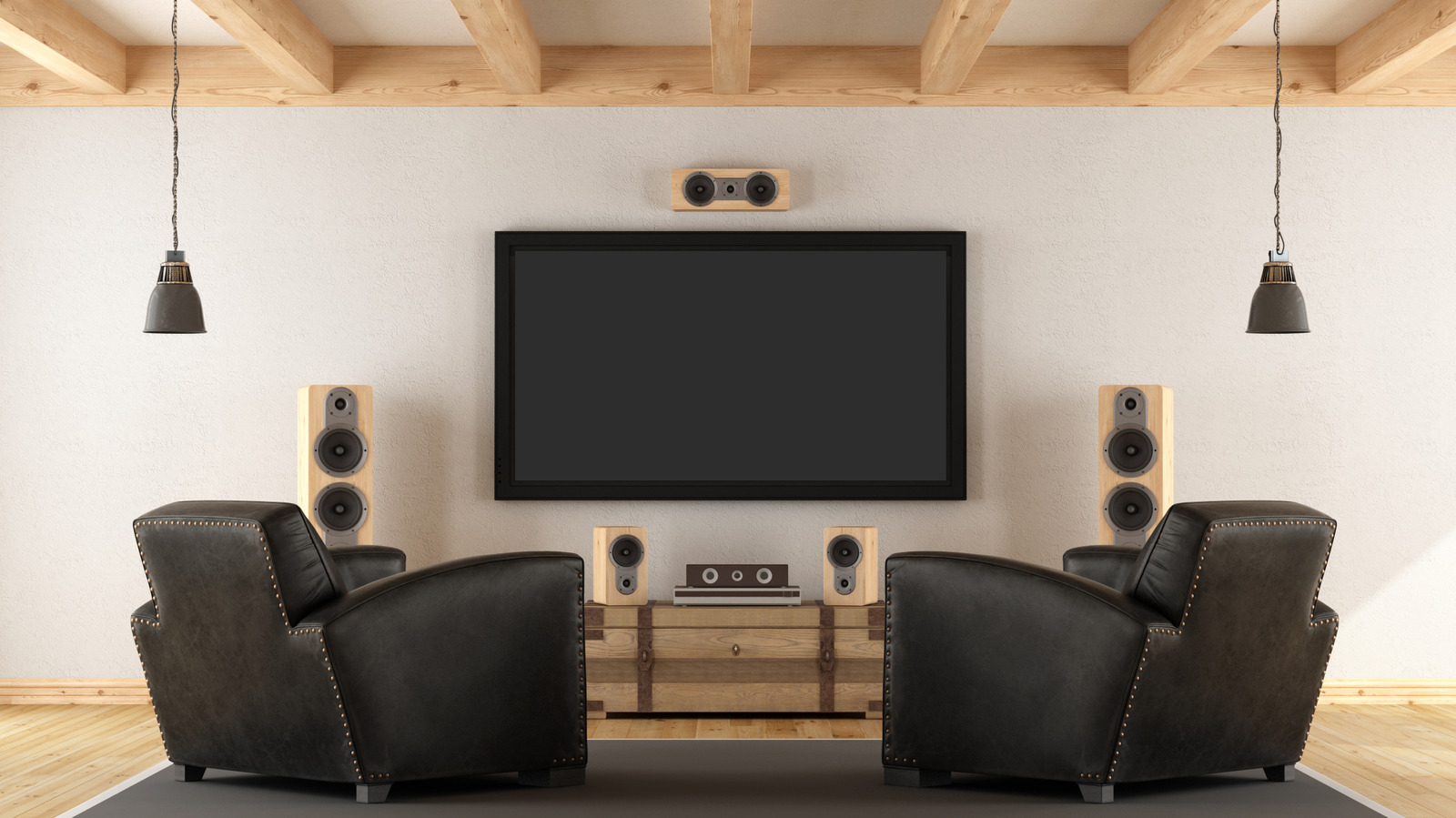
Spending more doesn't guarantee a better fit for you, though there are some clear differences as you climb in price.
We may receive a commission on purchases made from links.
Your TV's built-in speakers are fine... if you don't care about hearing dialogue clearly, feeling the bass or knowing where an explosion is coming from. Even an inexpensive soundbar can make a noticeable difference.
Soundbars can range from around $100 to well over $1,000, as demonstrated by our picks for the best soundbars. Many highly rated models that provide good value fall between $200 and $600 in our findings, as well as those from other outlets like Consumer Reports. The options vary considerably in how they handle surround sound, from basic bars designed to improve dialogue to more elaborate systems with wireless subwoofers and rear speakers.
Diminishing returns are key here. The biggest improvements usually come from moving beyond TV speakers and entry-level soundbars. After that, you're paying for more capable hardware, additional features and refinements that may be less noticeable to the average listener. Let's look at a couple of different price buckets, which aren't exact quality dividers but will give you an idea.
A basic soundbar can make dialogue easier to hear and give movies more presence. Models under $100 are pretty stripped-down and have limited connectivity, fewer sound modes and can't reproduce deep bass. They're designed to improve everyday TV audio without needing a complicated setup.
At this price, you're typically looking at a 2.0 or 2.1 setup. If you're not familiar with speaker channel numbers, a 2.0 soundbar has two audio channels (stereo), while a 2.1 model adds a separate subwoofer to handle lower frequencies. The Hisense HS2100, for example, sells for around $120 and includes a wireless subwoofer that gives it a fuller sound than a standalone bar.
For just under $200, you can get considerably more hardware. The Hisense HS5100 is a 5.1-channel system (adding two rear speakers and a center channel compared to 2.1) with a dedicated subwoofer and satellite speakers. Instead of relying on processing to simulate surround sound, the rear speakers provide audio behind you. It doesn't support Dolby Atmos, though, so you don't get overhead effects.
This is where soundbars start offering more impressive improvements to your TV's audio. You should see features like eARC for sending audio to your soundbar from any other input, as well as Wi-Fi streaming and more robust app features like full EQ management. You might also get upward-firing drivers for Dolby Atmos, making compatible movie soundtracks more immersive. Exact features vary among models; for example, the Hisense AX3120Q is a 3.1.2-channel Dolby Atmos soundbar for around $280.
A 3.1.2 system has three front-facing channels, a subwoofer and two height channels. That gives you a dedicated center channel for dialogue and hardware designed to reproduce overhead effects. The Polk Signa S4 is another example for around $449, while Sony's Bravia Theater Bar 5 offers a less expensive $350 alternative with a dedicated subwoofer and 3.1-channel configuration, virtualizing the overhead and directional effects. Neither gives you separate rear speakers for physical surround sound.