// ARS TECHNICA — FINANZA
Satellite operators are in panic mode due to a worsening launch crisis
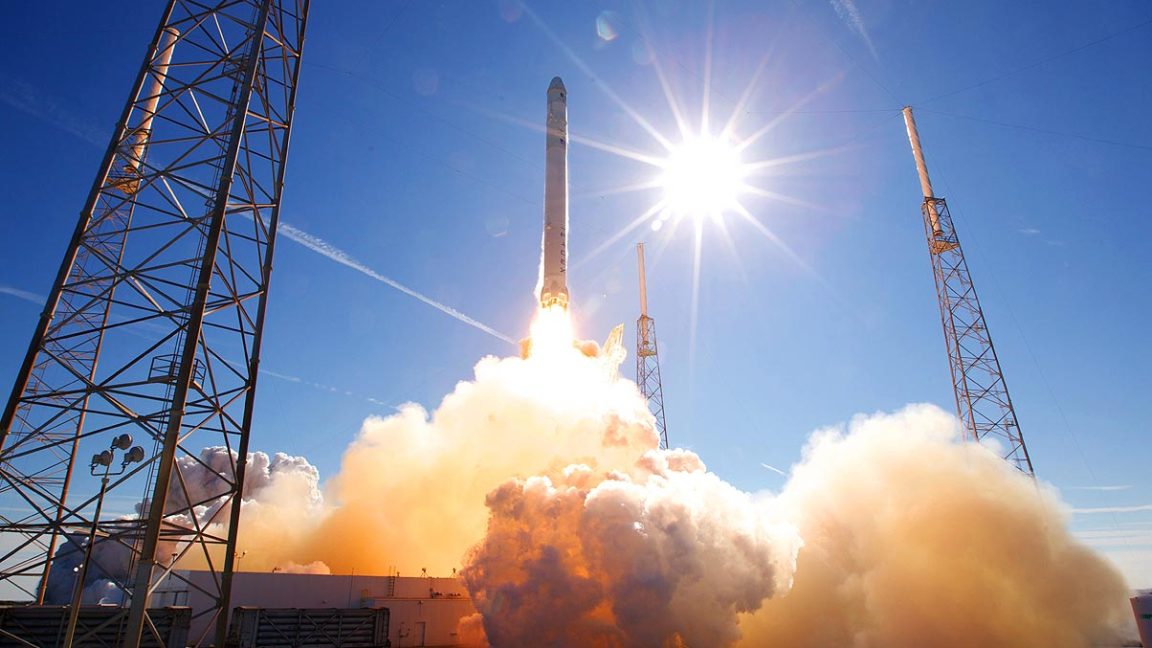
During the last three years, an average of 270 orbital rockets have launched from Earth, a more than three-fold increase from only a decade ago. By every metric available, the launch industry is crushing it: Prices have never been more competitive, launches never more frequent, and access to space never more rapid.
Paradoxically, though, there is a growing crunch in launch availability.
As part of his job as the director of research at Quilty Space, Caleb Henry speaks with satellite operators all the time. And he is hearing a constant and increasingly loud refrain from companies that want to put stuff into space.
“What we have is an industry in panic,” Henry said.
Anecdotes abound. A Canadian satellite company, Telesat, recently received inquiries from other companies asking if they would consider sharing some of the 11 Falcon 9 launches Telesat has booked for its new constellation. (Sorry, no, is the reply). The Amazon LEO constellation has had to throttle back production of satellites because few of the dozens of launches it booked half a decade ago are ready. And during an earnings call last Monday, officials from AST SpaceMobile said launch availability was now the pacing item for deploying its constellation.
With a growing number of constellations big and small, there is a huge and growing demand signal. The Commercial Space Federation predicts demand for thousands of satellite launches annually in less than a decade. Analysys Mason forecasted that more than 37,000 satellites will need to be launched between 2023 and 2033. Henry’s own firm, Quilty Space, has charted a change in the discussion from how many launch companies the US market can support to who can execute the fastest to meet surging satellite needs.
And if things are bad now, there are reasons to believe they may get even worse over the next two to four years.
Myriad factors are driving this crunch, but the principal concern of late has been SpaceX.
The company that is almost exclusively responsible for the dramatic increase in launch availability in the 2020s has signaled that it intends to wind down Falcon 9 operations as quickly as possible in favor of the larger Starship rocket. Some might see that as a good thing due to Starship’s enormous payload capacity. But there are growing concerns that SpaceX will largely focus on its own payloads—Starlink v3 satellites and orbital data centers—because of their potential to drive far greater profits. The Starship rocket’s PEZ satellite dispenser, optimized for Starlink, is an indication of the company’s priorities.
In financial documents, it’s clear that SpaceX views commercial launch as a rounding error compared to revenues from its own satellites in space. A majority of the company’s revenue ($4.3 billion out of $7.8 billion) during the second quarter of 2026 came from Starlink, whereas less than 12 percent was due to space services, of which commercial launch is but a fraction. This disparity is only likely to widen.