// BBC BUSINESS NEWS — FINANZA
From jumpers to slug pellets - how British wool is back in demand
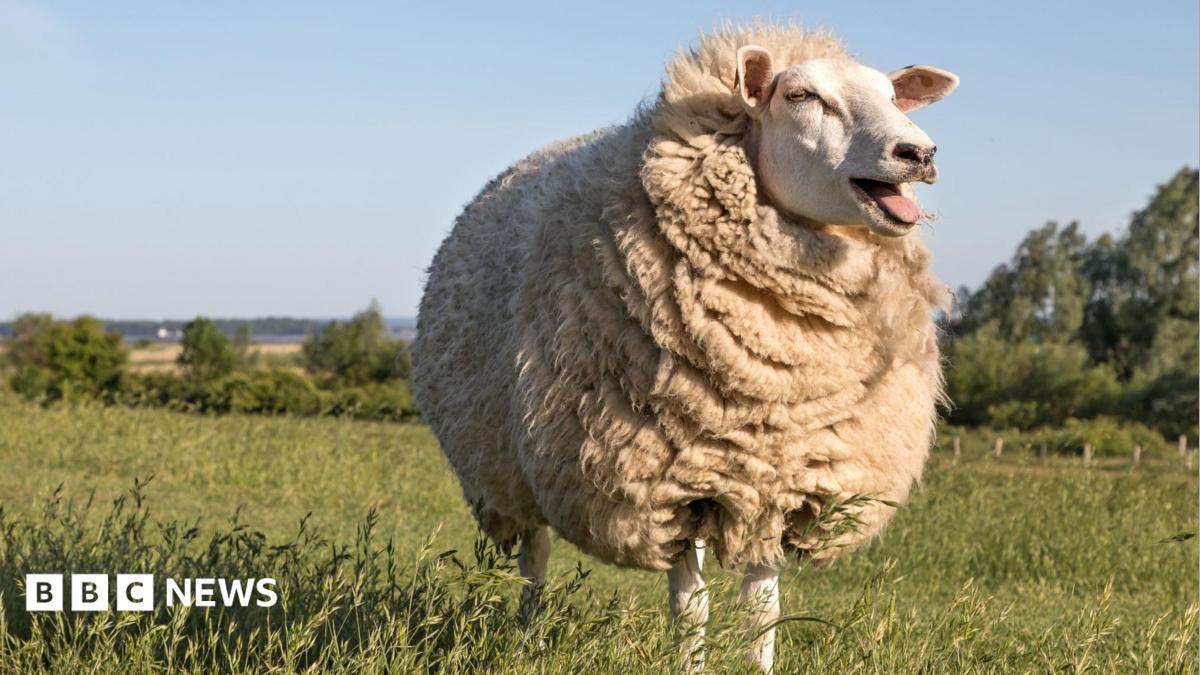
An increased demand in wool has meant prices have increased more than 70% in the last year
The price of wool has increased more than 70% in the last year, helped in part by a smaller British flock of sheep and a dwindling of the global stockpile produced during the Covid-19 pandemic.
Prices reached a 10-year high earlier this year, and comes after some farmers burnt fleeces in protest against how little they were being paid.
On average, a kilogram of clean shorn wool sold for £2.54 in the most recent sale, compared with less than £1.50 a year ago.
The rising cost may not be welcomed by shoppers seeking woolly socks and jumpers this winter, but it does mean farmers are more likely to cover the cost of shearing.
And while most people associate the versatile fibre with jumpers and blankets, it is also used in products ranging from flood protection systems to slug pellets, further helping fuel demand.
The wool industry has survived centuries, with the versatile fibre being spun back in the Bronze Age
Wyn Williams keeps a flock of 700 sheep on the hills above Llanfair Caereinion in Powys and said it could be an expensive business.
He said the demand and subsequent increase in price "helps cover costs".
"We've got professional shearers coming, it's not everybody who can shear," Williams said.