// KOTAKU — GAMING
The Best And Worst Parts Of Every Metal Gear Game
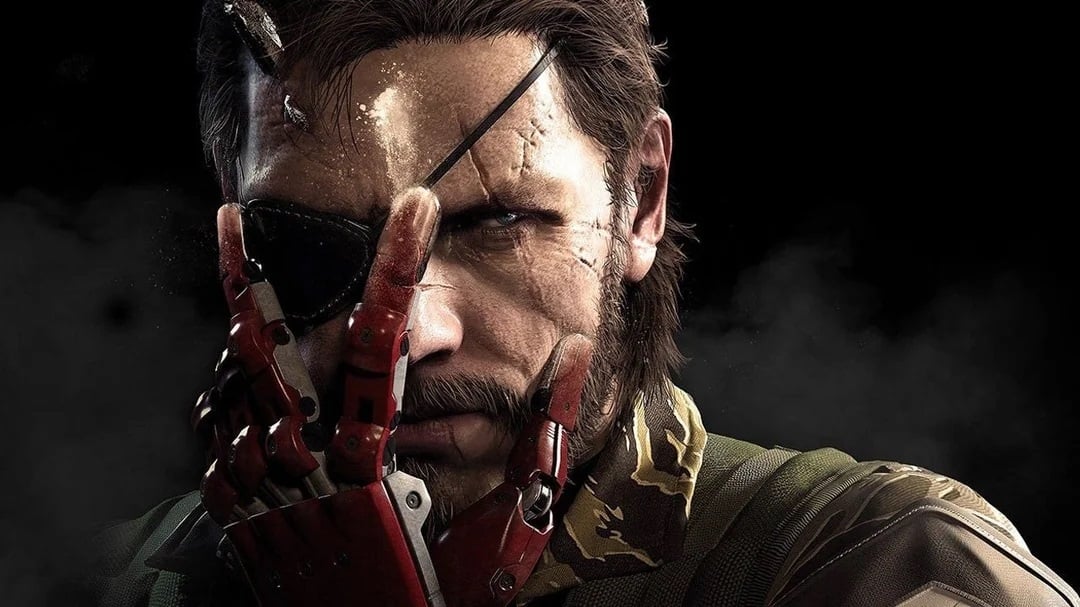
Best And WorstKonamiMetal GearMetal Gear SolidMetal Gear Solid 4: Guns of the Patriots
Metal Gear is a wonderful mess. Hideo Kojima’s sweeping spy-thriller series has sometimes been the sword tip of innovation for action games. Throughout the years, it’s been packed with new approaches to narrative and amazing innovations in what the hell a boss fight can be. It’s also sometimes full of stuff that simply doesn’t work. There’s big gameplay ideas that can actually break games or make them unwinnable, messy character writing with gross implications, and games that flat out aren’t finished. Also: Johnny Sasaki is here. I’ve played this series a lot and written about them a lot. When I worked here, I wrote a huge critical breakdown of what they were doing and even, to my dismay, had to review Metal Gear Survive. I have some thoughts! So here are the best and worst things about each game.
That sounds like an obvious thing to say when talking about the first game in a series, but Metal Gear in particular creates a template that the rest of the games follow. All the way through Metal Gear Solid 2: Sons of Liberty, every new game is refining moments introduced here. For example, the first boss battle here is a fight against four mercenaries in a room. Metal Gear Solid will turn this into an ambush by invisible troopers on an elevator. Sons of Liberty turns the idea into a hallway shootout at the end of the Tanker chapter. The core idea starts here. Time and time again, something in this game is repeated elsewhere. A puzzle requiring the brief use a guard’s uniform here is later expanded to an entire undercover section for Raiden in Sons of Liberty. That then becomes an entire camouflage and disguise system in Snake Eater. All those ideas are here now in Metal Gear, even if there’s only 8 bits to work with! It’s very cool.
Worst: You Can Make It Unwinnable. Metal Gear has a sort of RPG-lite progression system in which defeating bosses expands your health and inventory. Some later games will continue this idea to some extent; Metal Gear Solid increases your life bar upon defeating a boss, for instance. But Metal Gear also makes it possible to “demote” and lose your bonuses. This mostly happens if you accidentally shoot a hostage. This makes sense on paper! Don’t shoot innocent people, Snake! Watch out! But in practice, you NEED the increased ammo to win some fights. Famously, if your rank is low enough when you head into the final boss fight, it can become impossible to finish the game. You might simply not have enough explosives to kill the boss. I can’t imagine how many players, even now, stumble a little and reach that last screen only to find out they can beat the game.
Turns out it takes a very specific number of explosives to blow up a Metal Gear.
It’s a little anti-climactic from a lore perspective for me to say “Big Boss, the greatest soldier in the world, was killed by a zippo lighter and a spray can,” but that’s what happens! The thing is? When you play the section, it’s pretty cool. You’re trapped in a small warehouse with Big Boss and no obvious way to fight him. What follows almost feels like an adventure game. You dart around, finding key cards to open special rooms and slip through vent spaces. Each new item leads to the next until you can scrounge the lighter and spray can. Then you can finally cut loose and fight back. In some ways, this feels like the earliest possible version of an idea that games would deliver on much better later. If you like the Mister Freeze fight from Batman Arkham City or think the tense confrontation with David in The Last of Us is cool…this is maybe the earlier version of that idea. And even in 1990, it led to a tense and exciting finale.
Metal Gear 2 adds a lot of improvements that help make things feel a bit more like the series we all know. Longer codec calls, a basic (if unrefined) radar for tracking enemy positions. But it also has some bullshit. There’s a guard-tailing sequence