// BBC WORLD NEWS — MONDO
Caste divides make scorching summers harder in a parched corner of India
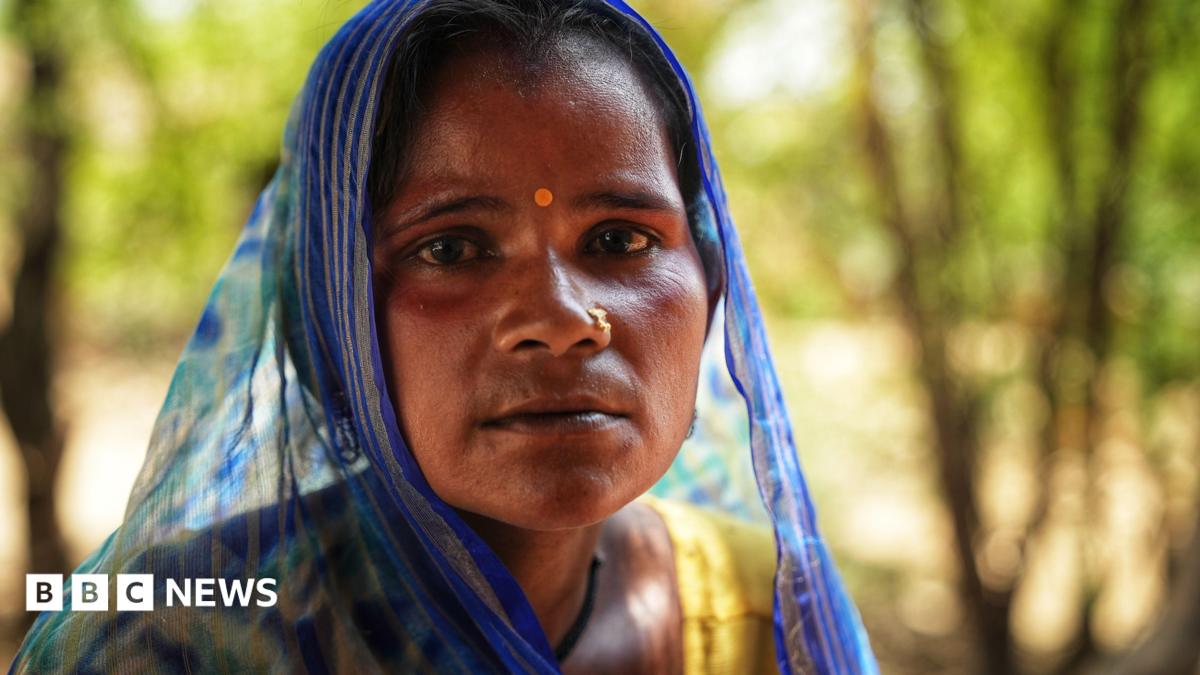
Mamta, from the Dalit (formerly untouchable) community, says access to water in her village becomes harder in the summers
A couple of months ago, just after sunrise, 40-year-old Mamta began the first of as many as 10 journeys she would make that day.
Carrying three empty plastic buckets, she walked a few hundred metres to the nearest handpump in her village in Jalaun district, in the drought-prone Bundelkhand region of northern India. Temperatures in parts of the region were soaring above 40C.
The taps installed under a government drinking water scheme had been dry for two years, she said, leaving most of the village's 1,000 residents dependent on a handful of handpumps.
Mamta said collecting enough water for her 11-member family and their livestock took hours. But the heat was not her only obstacle.
Mamta belongs to the Valmiki community, part of the Dalits - groups once regarded as "untouchable" under India's centuries-old caste hierarchy and which continue to face widespread discrimination.
She said she waited until members of the village's dominant castes finished using the handpump before approaching it.
"If they are standing there, we cannot fill water. We have to wait until they leave," she said.
Afterwards, she said, some upper-caste residents poured water over the pump to "cleanse" it.
Bundelkhand, a semi-arid region that spans several districts in the states of Uttar Pradesh and Madhya Pradesh, is notoriously drought-prone. It faced several major droughts between 2002 and 2016, making it almost a symbol for water scarcity in a country where several regions face similar hardships.