// SPACE.COM — SPAZIO & SCIENZA
What is Starfall? A look at SpaceX's mysterious new return capsule
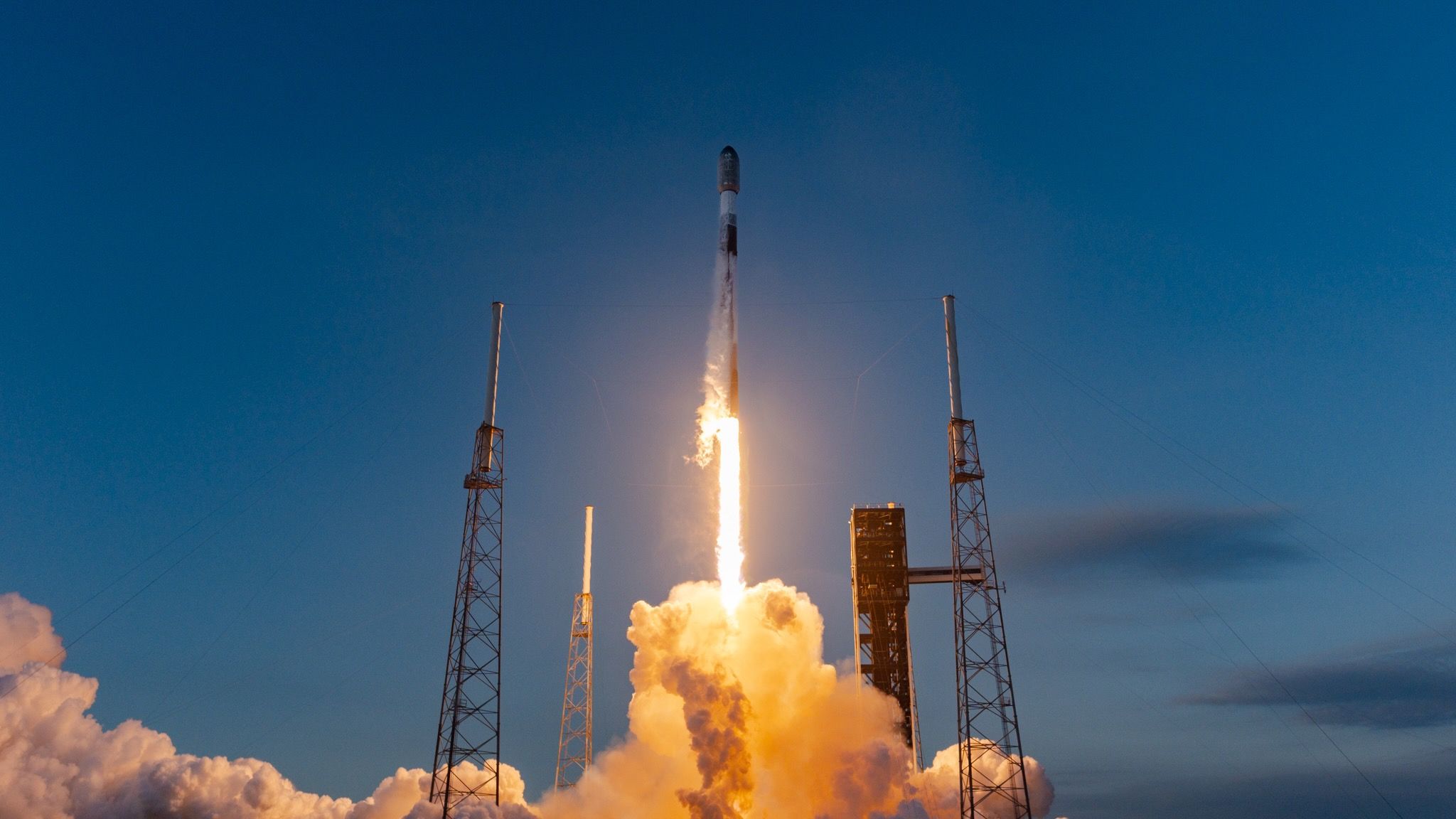
SpaceX developed Starfall in secrecy and still has revealed little about the new vehicle.
When you purchase through links on our site, we may earn an affiliate commission. Here’s how it works.
SpaceX just launched a brand-new return capsule that it has been developing in the dark.
That vehicle, called Starfall, lifted off atop a Falcon 9 rocket this morning (June 23), on a test mission designed to show that it can fly in a controlled fashion and survive the fiery trip down through Earth's atmosphere.
The demonstration flight may have caught some space fans by surprise, for SpaceX has revealed little about Starfall to date. And that air of secrecy extended through today's launch; the company cut off its webcast about 10 minutes after liftoff, a practice usually associated with national security missions.
SpaceX provided a very brief overview of Starfall today, saying via X that the new vehicle "will enable affordable, routine access to the microgravity environment for scientific research and in-space manufacturing."
Details about the vehicle are harder to come by — but we have some, thanks to an environmental assessment published by the U.S. Federal Aviation Administration (FAA) last month. That report looked at the potential environmental impact of two Starfall demonstration reentries, one or both of which was set in motion by today's launch. (It's unclear how many Starfall vehicles the Falcon 9 lofted on this initial flight.)
According to the FAA document, Starfall is a disk-shaped spacecraft that stands about 2.5 feet (0.75 meters) tall, with a diameter of 10.2 feet (3.1 m). It weighs roughly 4,600 pounds (2,100 kilograms) and can carry about 2,200 pounds (1,000 kg) of payload. The vehicle can launch on both the workhorse Falcon 9 and Starship, the megarocket SpaceX is developing to help humanity settle the moon and Mars, among other tasks.
Starfall consists of two parts: an aluminum "top plate" that weighs about 3,090 pounds (1,400 kg) and a detachable carbon-fiber heat shield. Cargo rides in the top plate, which features a payload bay 8.2 feet long, 4.9 feet wide and 1.6 feet tall (2.5 by 1.5 by 0.5 m).
For comparison, SpaceX's Dragon capsule, which routinely flies people and cargo to and from the International Space Station, stands about 14.7 feet (4.5 m) tall, with a diameter of 13.0 feet (4.0 m). Dragon can haul about 13,230 pounds (6,000 kg) to low Earth orbit and bring 6,600 pounds (3,000 kg) back down, according to its SpaceX specifications page.