// KOTAKU — GAMING
The Fighting Game Community Grapples With Saudi Arabia Taking Over Evo
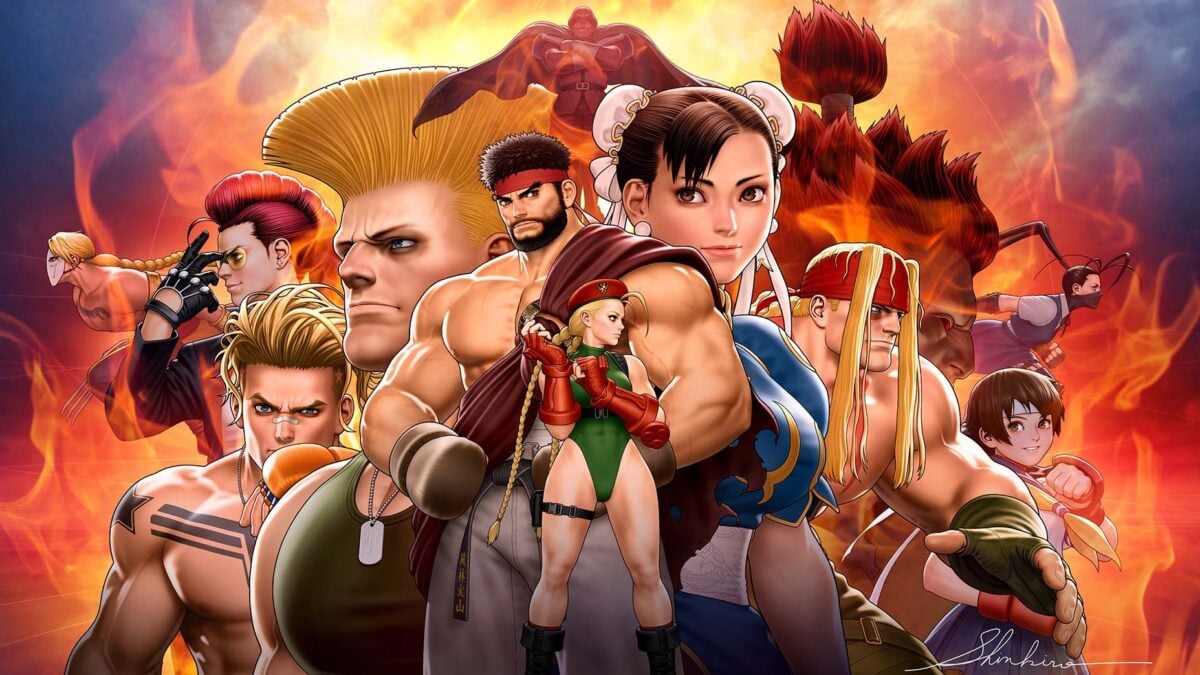
Evolution Championship Series, or Evo for short, has for decades been considered one of the most prestigious and important tournaments in the competitive fighting game community. But since February of this year, it’s begun to serve another purpose: helping to whitewash the atrocities of the brutal Saudi Arabian monarchy.
Qiddiya City, the still-developing state project envisioned by Crown Prince Mohammad bin Salman as a key part of his overall goal of improving Saudi Arabia’s reputation on the global stage, announced its acquisition of Evo in February. And while the Saudi government has been involved with Evo since 2024, first as a global partner and then as partial owners, this feels like a new era for an event that has largely shifted away from its beginnings as a grassroots celebration founded by pillars of the fighting game community into a corporate asset purpose-built for changing hands between esports organizations, investment groups, and, at one point, Sony Interactive Entertainment.
“Evo is a global gaming institution, built on community, competition, and creativity,” said Qiddiya Investment Company chief strategy officer Muhannad Aldawood. “[W]e are committed to supporting Evo’s long-term growth in a way that respects its heritage and strengthens its role within the global Fighting Game Community. This is about investing in the future of play, and safeguarding what makes Evo special.”
The outcry in the fighting game community was loud and immediate (and sometimes pretty funny) despite these promises. Saudi Arabia has spent the last several years investing in video games as part of a larger campaign to paper over the country’s human rights abuses. By hosting fighting game competitions, it seems like the Saudi royal family intends to use competitors and personalities as makeshift propagandists to make them look good to audiences abroad, much like they have with golf tournaments, professional wrestling shows, and comedy festivals. It comes as no surprise, then, that some high-level fighting game players have been silent while the community’s hobbyists and weekend warriors scream their frustrations into the void.
“It’s largely business or ignorance at the crux of it,” eight-time Evo champion Dominique “SonicFox” McLean told me via email when asked about the incongruity between these two groups. “I don’t really blame them. It is life changing money in an esport that is not used to that amount. That, or they aren’t very informed on why having government entities enter esports is a bad thing.” It’s McLean’s hope that fighting game players don’t take their frustrations out on less engaged peers, adding, “the community is better united together if we continue to inform one another.”
McLean has never been shy about using their platform to speak their mind. Success has afforded the self-proclaimed “Black, queer furry who will mix your shit in fighting games” the opportunity to, for example, endorse Bernie Sanders for president after winning an official Mortal Kombat 11 tournament and call out right-wing bigotry during an acceptance speech at The Game Awards. McLean is one of the most talented competitors the fighting game community has ever seen, so much so it’s rare for an Evo to go by without seeing them on stage collecting at least one gold medal, but they’re also one of the few top players willing to speak up about Evo’s new owners.
Evo’s acquisition won’t keep them from reluctantly attending the organization’s events in the United States and Japan, McLean explained, citing personal goals, responsibilities to sponsors, and not wanting to be “erased from the scene.” Instead, they’d rather “win an event and use that platform to speak out against it.” But McLean also doesn’t plan to travel to Saudi Arabia any time soon for obvious reasons.
“I am very much against their rulings on LGBTQ+ folks and I don’t wish to be a part of their sportswashing attempts,” they said. “I think it’s unsafe for folks like myself and others