// SPACE.COM — SPAZIO & SCIENZA
Another 'Star' is born: SpaceX names AI megaconstellation 'Starmind'
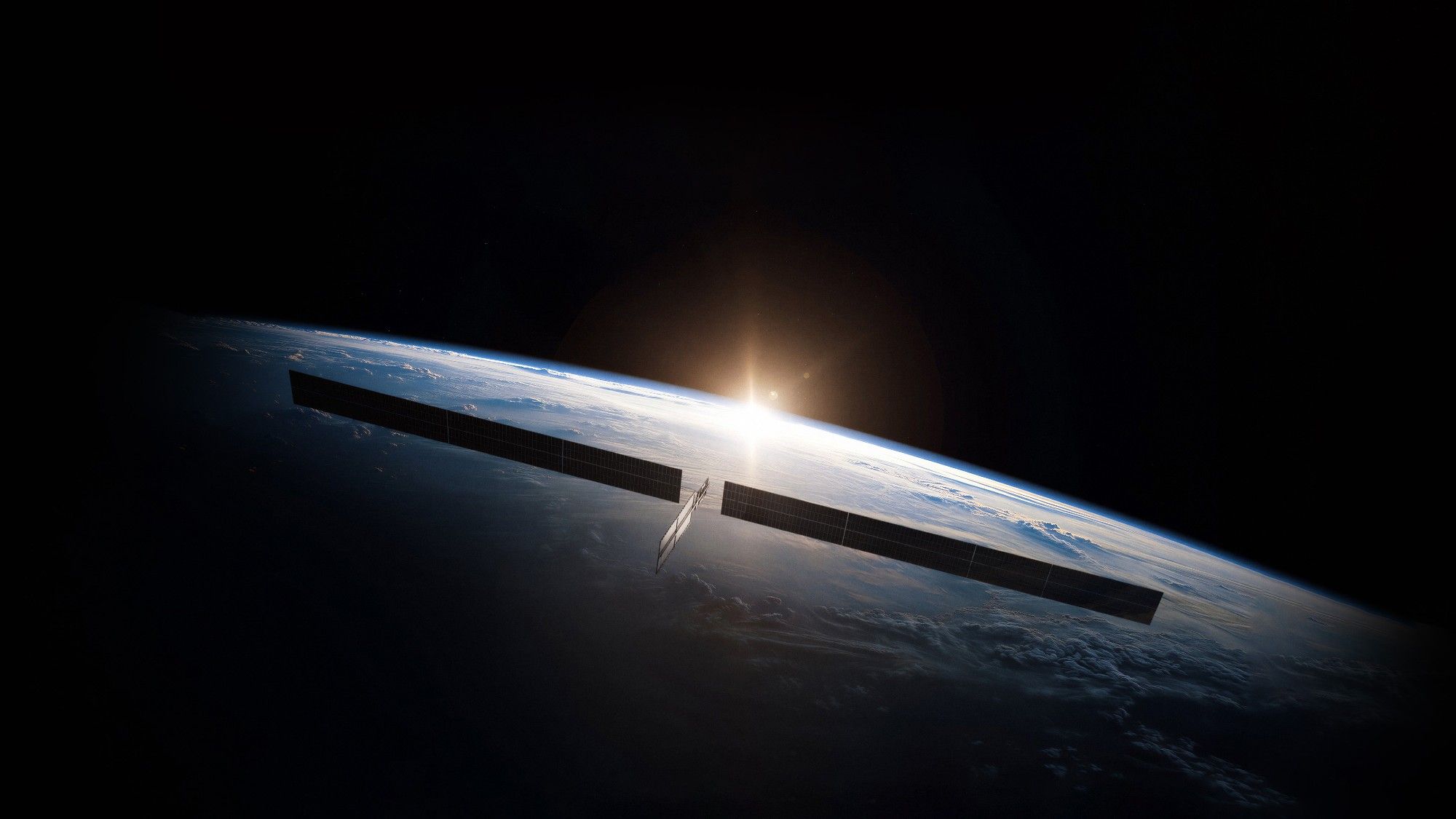
Starmind joins Starship, Starlink, Starshield, Starfall and Starbase in SpaceX's nomenclatural stable.
When you purchase through links on our site, we may earn an affiliate commission. Here’s how it works.
Once again, SpaceX has looked to the stars for naming inspiration.
Elon Musk confirmed on Tuesday (June 23) that SpaceX will call its planned AI satellite megaconstellation "Starmind".
The choice should come as no surprise, as it continues the company's long-running stellar naming theme. Here's a rundown:
Starmind is perhaps the most ambitious of all of these stellar projects. If everything goes according to plan, the megaconstellation will be about 100 times bigger than the current version of Starlink.
"By directly harnessing near-constant solar power with little operating or maintenance costs, these satellites will transform our ability to scale compute," Musk wrote in a February 2026 update about the company's planned AI network.
"It's always sunny in space!" he added. "Launching a constellation of a million satellites that operate as orbital data centers is a first step towards becoming a Kardashev II-level civilization, one that can harness the sun's full power, while supporting AI-driven applications for billions of people today and ensuring humanity's multi-planetary future."
The "star" theme has apparently supplanted a previous SpaceX nomenclature convention. The company named its original rocket line "Falcon" after the Millennium Falcon, Han Solo's ship in the "Star Wars" universe, then followed this same birds-of-prey theme for the vehicles' engines ("Merlin" and "Kestrel"). The company's next-gen engine, the one that gets Starship off the ground, still follows this older custom: it's called "Raptor."
You must confirm your public display name before commenting