// SPACE.COM — SPAZIO & SCIENZA
International Observe the Moon Night 2026 is on Sept. 19: Here's how to join in
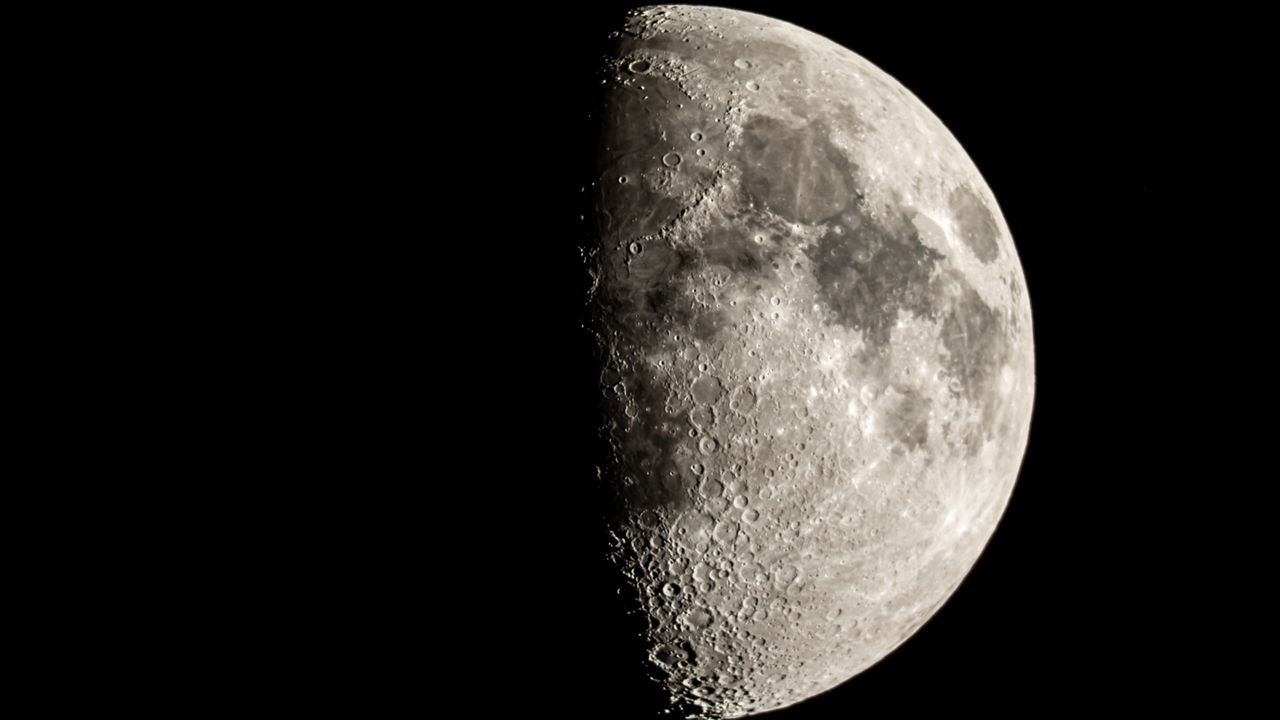
International Observe the Moon Night 2026 occurs on Sept. 19 as the lunar disk is well placed for exploring its craters, mountains and ancient lava plains.
When you purchase through links on our site, we may earn an affiliate commission. Here’s how it works.
Moon lovers rejoice! International Observe the Moon Night returns on Sept. 19. Here's everything you need to know about how to participate in the annual celebration of Earth's natural satellite both in-person and from the comfort of your home.
International Observe the Moon Night takes place around the first quarter moon in September or October, when the moon is conveniently visible in the late afternoon and evening. It's also an excellent phase for exploring features along the terminator — the boundary between lunar day and night — where long shadows help craters, mountains and other features stand out according to NASA.
The global celebration aims to raise awareness of lunar observation, science and exploration, which has intensified in recent years as NASA and its partners work to return humans to the surface of the moon as part of its Artemis program.
You can join in with the International Observe the Moon Night celebrations either as part of a group or solo from the comfort of your own home!
Looking for an event near you? Search NASA's interactive global map of hundreds moongazing events from star parties organized by local astronomy groups to virtual events hosted by observatories and passionate amateurs.
Or host your own celebration. NASA has advice on how to host your own private or public event to celebrate the occasion, and you can register on the agency's map so other moon enthusiasts can join you.
You can also participate from the comfort of your home simply by stepping out to observe the moon with the naked eye, binoculars or a telescope. Or you can peruse hundreds of images of the moon captured by NASA's Lunar Reconnaissance Orbiter and the astronauts of Artemis II as they journeyed to the far side of Earth's moon.
This is a fantastic go-to telescope with a 4-inch aperture that'll help you get quick and steady views of the moon. For more be sure to check out our Celestron Nexstar 4SE review.