// KOTAKU — GAMING
Why Trying To Buy A Video Game T-Shirt Sucks So Much
Fangamergames done quickHollow Knight: SilksongSlay the Spiret-shirtThe Yetee
Type in “Slay the Spire official merch” and Google will flood the page with shirts of any size, cut, or color, with just as many designs to match. In fact, if you do just that right now, the first result is an entire website dedicated to Slay the Spire merchandise.
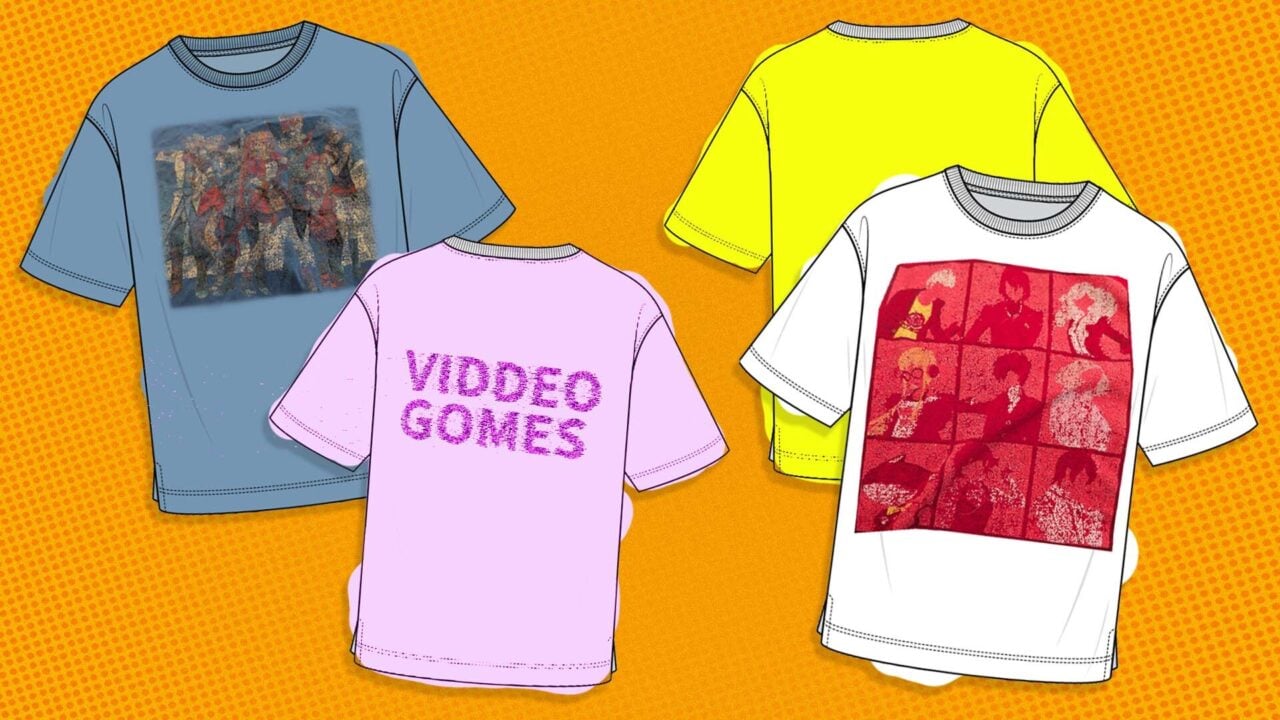
A fan of the game bought a shirt from this site and posted a brief review on the Slay the Spire subreddit. “I got a couple of shirts from the official store and was a bit disappointed,” they wrote. “There’s a white border around every graphic. I think I’ll probably end up Goodwill-ing them.”
It’s not that MegaCrit, the developers of Slay the Spire, or their apparel partners cheaped out on the merchandise. MegaCrit had no hand in this at all. A closer read of the site’s copy would have alerted a more wary consumer to the fact that genAI slop was afoot and the merchandise might be suspect as a result. But it’s hard to ignore the word “official” showing up more than once in big black letters.
“I was fooled,” the user wrote. “This is not the official site.”
Consumers are spoiled for choice when it comes to video game apparel. But amidst all this quantity, finding quality clothing is getting harder. With genAI making it easy to spin up a website fast and even easier to generate designs to sell, it’s really tricky to find video game apparel that truly has the developer’s official seal of approval. And while companies like Nintendo are famously litigious when it comes to protecting their copyrights from modders and pirates, bootleg video game merchandise makers are far less policed, able to drown out the signal from legit sellers with so much noise, which Google’s algorithms are more than happy to boost.
So what are the official apparel makers doing about this? How are they able to stay afloat competing against cheaper, quicker competitors who are often using genAI to make their “own” designs if they’re not ripping them off directly from other artists? Can they do anything at all? Kotaku spoke to two t-shirt companies known for their official partnerships with developers including MegaCrit, Team Cherry, Sega, and more, and to a professional apparel designer and freelance artist, about why they kinda can’t do anything about this state of affairs, and more specifically, why they don’t have to do anything at all.
To understand the explosion of shitty video game apparel, you have to know how t-shirts have traditionally been made, and how they’re being made now. Glenn O’Neill is the co-founder of The Yetee, a t-shirt and video game merch company that’s been in business for 15 years and is known for its partnership with the Games Done Quick charity speedrunning event.
“We screen print our t-shirts,” he said. “We’ve been doing so since the start, and it is still the highest quality way to print t-shirts.”
In a nutshell, screen printing involves pressing paint through tiny holes in stencils in successive layers to create a finished, full-color image. It’s a long process and involves a lot of equipment and chemicals, increasing the price of the finished product. It also requires space. While you can screen print at home, making t-shirts at scale means you’re gonna need room.