// HACKER NEWS — CYBERSECURITY
Destroy After Reading: photocopiers,cheap paper and DIY gave metal it's look
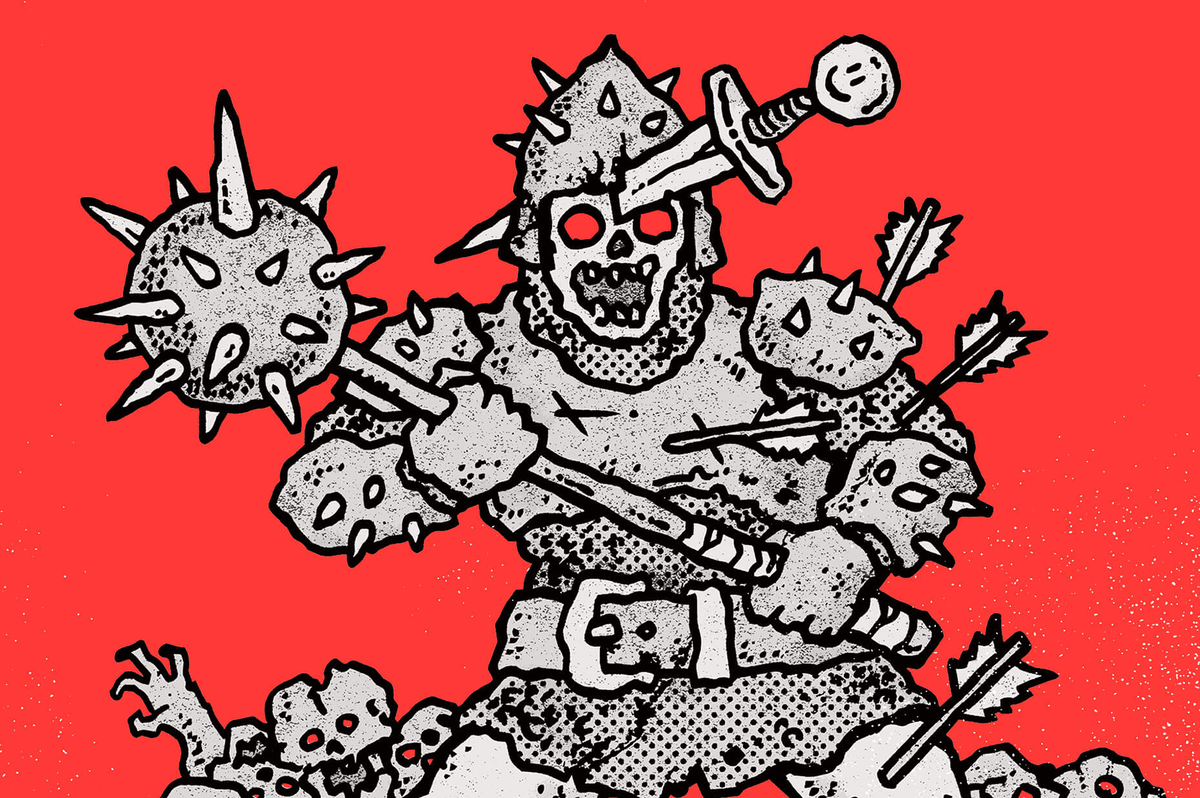
Before I spent my free time obsessively researching the design language of niche heavy metal subgenres, I played soccer. Not professionally or anything, just some local leagues and school clubs. One time our high school soccer coach lost his absolute shit on our team mid-game. A full squad berating at max volume. Spittle flying, veins popping, clipboard smashing. The reason for his frustration: our jerseys were too clean.
Coach Tiago wanted to see some grass stains. He wanted slide tackles, body checks, dirt streaks and torn cloth. He wanted blood.
Dirt and textures carry evidence of a battle well fought.
Our team went on to lose the game. But I understand where Coach was coming from. Imagine if we walked off that pitch caked in dirt and blood. Heads held high, jerseys ruined, front teeth missing. Even if we lost, we gave 'em hell.
The battle-worn “distressed aesthetic” carries a certain weight. It elevates objects from the ordinary to the sacred. Favorite t-shirts are faded and cracked. Tour relic’d guitars have worn wood and chipped paint. Some fans even have lucky jerseys that they can never wash because of the magic ingrained in those polyester fibers.
It shows survival. It shows character. It shows history. It shows love.
Heavy metal graphics embrace the same philosophy. Logos, packaging, and flyers look like they’ve been to hell and back. The symbolism behind the distressed aesthetic is obvious: it makes the graphics feel powerful, ancient, and battle-tested. The journey to achieve this effect is less obvious. Distressed textures weren’t always an intentional design choice, they were an economic necessity born out of the underground tape trading circuit, dive bar promo flyers, and endless photocopies. Low-budget production methods created an epic asset library of scratches, grains, toner streaks, and torn edges …artifacts of how underground music survived before the internet.
"Modern designers don’t add these textures just because they look cool. They add them because they carry the history of the scene."
Metal emerged in the late 70s and early 80s. No Photoshop. No social media. No email. No way to tell people your hairy thrash band exists unless you’re resourceful and ready to do it yourself.
Record stores, tape trading circuits, mailing lists, zines, and cheap flyers formed the backbone of the metal underground communication network. And every artifact within the scene had to survive repeat copying.