// KOTAKU — GAMING
Gaming Industry Lobbyist Claims Minecraft And Call Of Duty Community Servers Are ‘Illegal’ During ‘Stop Killing Games’ Hearing
Always OnlineCall of DutyESAMinecraftStop Killing Games
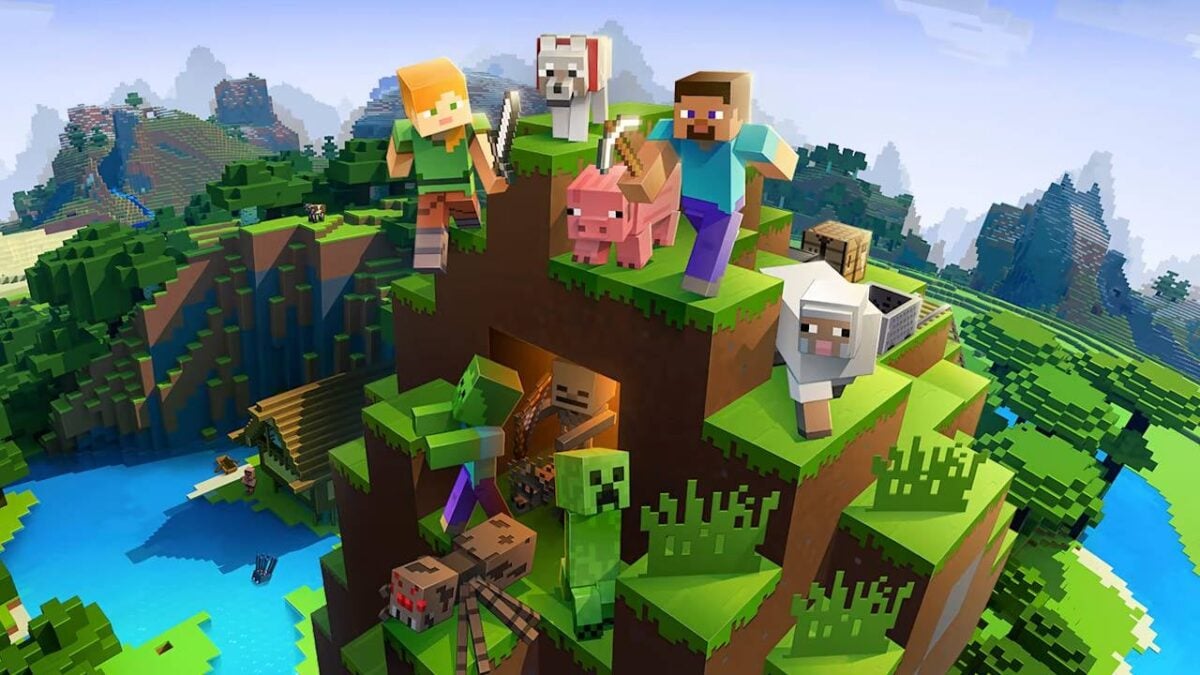
A rather bizarre statement made by the Entertainment Software Association’s VP of State Government Affairs, Jennifer Gibbons, during a California State Senate hearing for Stop Killing Games’ Protect Our Games Act is making the rounds online today, as the Entertainment Software Association (ESA) Vice President cut in during a statement made by Assemblyman Chris Ward to declare that community servers for Minecraft and Call of Duty games are “illegal” and considered “piracy.”
The Stop Killing Games’ Protect Our Games Act was the topic of discussion at yesterday’s California State Senate hearing, during the Senate Business, Professions and Economic Development Committee. Assemblyman Chris Ward proposed the POG Act to the committee, which was opposed by ESA’s VP of State Government Affairs, Jennifer Gibbons.
Ward was questioned by the committee about the feasibility of providing consumers with privately hosted servers to continue playing games after publishers have ceased supporting them. “Minecraft is currently hosted by community servers,” Ward replied, “Call of Duty [has] community servers, so it’s an option that is out there, in existence here today.”
“They’re illegal,” Gibbons interrupted. “They are not in any way affiliated with Microsoft. Microsoft, for Minecraft, has gotten a lot of criticism because of those community servers not employing the same safety standards that Microsoft does on their Minecraft servers.”
Hello outlaws! Jennifer Gibbons, VP of the Entertainment Software Association said Minecraft community servers are ILLEGAL. Thank you for lying about the law to the California Senate in public, it lets everyone see what we've been up against.https://t.co/AqARv4n1Od
Gibbons was then asked by a committee member if private servers were akin to a “black market” for video games, to which she replied, “Yes. In fact, we consider it piracy. We have lawsuits, two pending lawsuits, against private servers right now, and the United States Trade Representative (USTR) in their Notorious Markets Reports on counterfeiting and piracy has named some of these big private servers as a notorious market.”
As PC Gamer notes, the USTR’s Notorious Markets Reports actually targets servers that allow users to bypass subscription fees, so Gibbons’ comment doesn’t apply to Minecraft or Call of Duty, as you don’t even need to pay to play these games online if you’re on PC.
But this isn’t the first time that the ESA has lobbied against the Stop Killing Games and Protect Our Games Act. ESA President and CEO Stan Pierre-Louis also published a lengthy “opinion” piece about the Protect Our Games Act on the ESA’s official website: “This bill may sound consumer friendly, but it ultimately hurts both players and creators. Many games today are live, connected experiences that depend on online communities and evolving content[…]AB 1921 doesn’t just misunderstand games. It undermines the very thing it claims to protect.”
However, Stan Pierre-Louis’ “consumer friendly” angle doesn’t hold much weight when you take into account that the ESA lobbied against banning loot boxes and pay-to-win microtransactions in games played by minors in 2019. So, why exactly is the ESA seemingly anti-video game preservation, but pro-loot boxes and microtransactions for kids? Who can say. But for absolutely, 100 percent unrelated reasons, let’s take a look at how the ESA makes its money.