// NASA BREAKING NEWS — SPAZIO & SCIENZA
NASA Highlights Lessons Learned From Swift Boost Mission
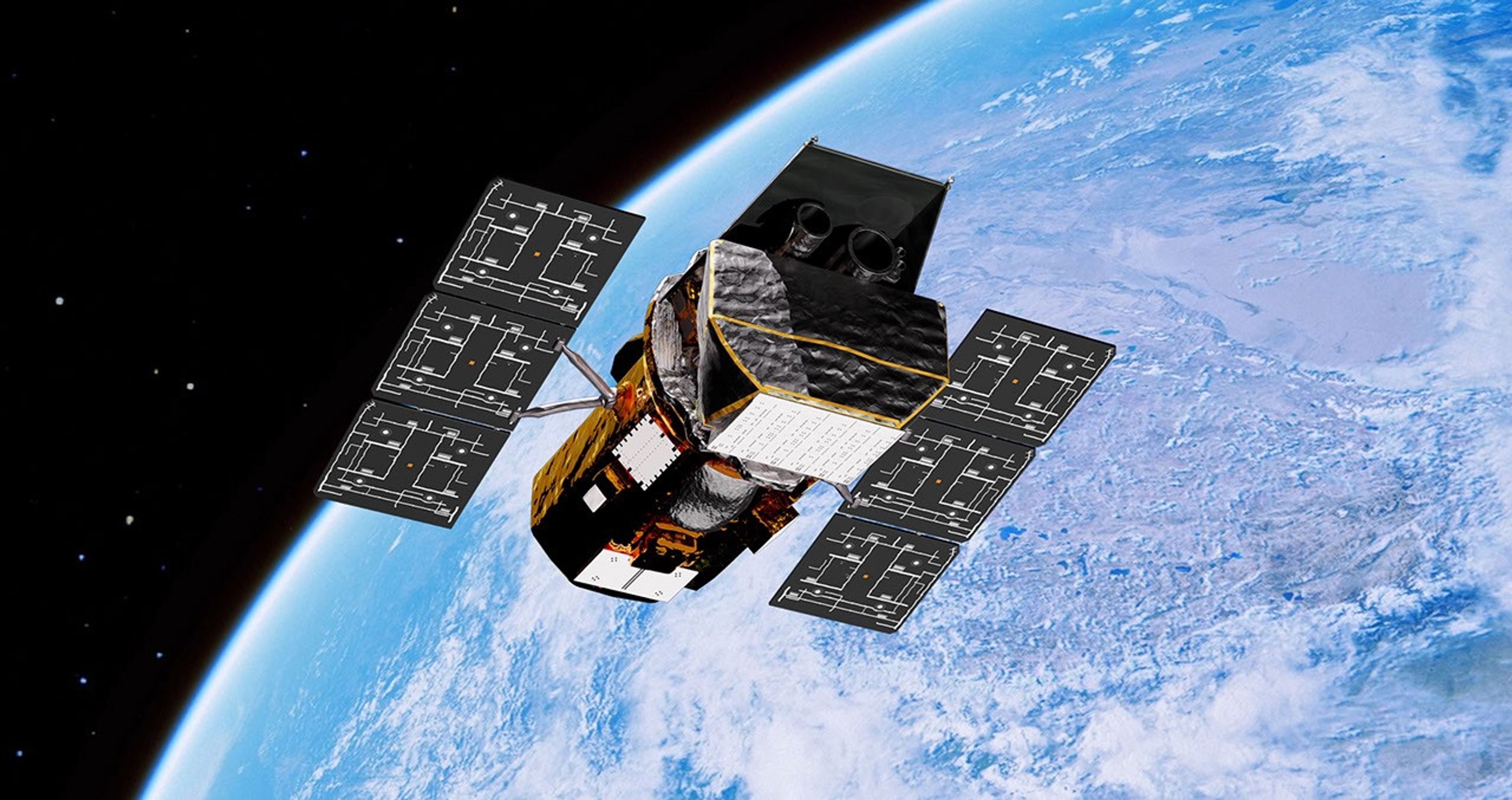
A commercial mission to boost NASA’s Neil Gehrels Swift Observatory concluded without raising the spacecraft’s orbit, but the agency and industry vendor Katalyst Space have gained valuable experience that will benefit future in-space servicing programs.
“From the beginning, this was a high-risk, high-reward mission,” said Shawn Domagal-Goldman, Astrophysics Division director at NASA Headquarters in Washington. “Without intervention, Swift was going to re-enter the atmosphere by year’s end. And while we’ll be sad to see Swift’s mission come to a close, we knew this boost effort would be valuable to the agency on multiple levels — advancing U.S. spacecraft servicing technology, challenging us to meet unprecedented mission timelines, and testing how we operate satellites to extend their time in low Earth orbit. We’re very proud of how quickly this team got so far, and we’re capturing lessons learned to ensure we’re ready to go even farther.”
Swift, which launched in November 2004, was designed to study gamma-ray bursts, the most powerful explosions in the cosmos.
Over the last two decades, the observatory has revolutionized our understanding of how the universe works, from studying comets and asteroids in our own solar system and various types of cosmic explosions to flares from black holes in distant galaxies.
All spacecraft in low Earth orbit experience drag from our planet’s atmosphere. If they don’t have propulsion systems, this drag gradually reduces their altitudes. A period of increased solar activity magnified this effect on Swift.
After deciding to investigate the potential for a boost attempt, NASA had only a few months to issue a call for proposals through its Center of Excellence for Collaborative Engineering and fund design concept studies through the agency’s Small Business Innovation Research program.
In September 2025, NASA contracted Katalyst, based in Flagstaff, Arizona, to attempt the mission. The company had around one year to design, build, test, and launch a satellite that would then meet, grab, and lift Swift.
The LINK spacecraft took off from Kwajalein Atoll in the Republic of the Marshall Islands in July aboard a Northrop Grumman Pegasus XL rocket. Katalyst selected the Pegasus as the best launch option for reaching the observatory on the mission’s condensed timeline, based on the mission’s orbital and programmatic needs.
After successfully reaching space and performing initial spacecraft checkouts, LINK began experiencing intermittent communications losses and developed issues with its orientation control.
Following a period of around-the-clock troubleshooting from both teams, NASA and Katalyst agreed to scale back the mission. LINK would no longer attempt to grab or boost Swift but instead attempt to perform a series of technology demonstrations that would advance the capabilities of the U.S. commercial servicing industry.