// HACKER NEWS — CYBERSECURITY
Memory Companies Have Destroyed the Consumer Market
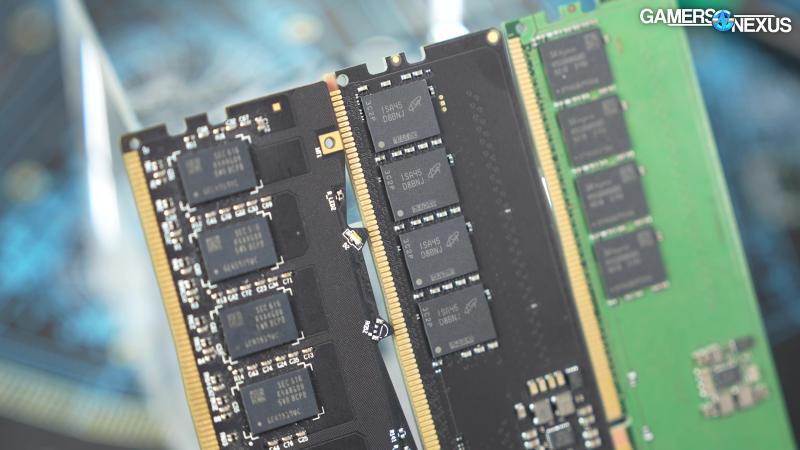
The DRAM and NAND flash manufacturers at fault for the ongoing RAM, SSD, and GPU price increases have finally figured out how to suppress the market’s previously cyclical pricing nature, and it’s by committing to larger, longer long-term agreements with fewer customers. This article deep dives into what these companies are saying out loud -- like Amazon’s interest in pushing more customers into cloud services from on-premises -- and also SSD and RAM pricing.
Editor's note: This was originally published on September 21, 2026 as a video. This content has been adapted to written format for this article and is unchanged from the original publication.
Since last September, the average price of SSDs and RAM have continued to climb: prices have increased by 137% for 2 TB NVMe SSDs on average, 183% for 2 TB SATA SSDs, 363% for 32GB DDR5 kits, and 294% for 32GB DDR4 kits, with AVG prices collected from the samples of product listings specified below the chart.
In some situations, it’s worse: DDR5-6000 64GB kits have climbed from $240 to $1,300-$1,400 on average, an increase of around 483%.
If you had dreams of a home server or a high-end engineering design or editing machine with 128GB of memory, that’s gone up even more.
We bought 128 GB of DDR5-6400 GSkill ECC Registered memory in 2024 for $1,060 to use in an editing machine.
If you bought similar RAM, you could get scalped by a third-party seller for some NEMIX 128GB of a similar spec for $6,800, or maybe you’d prefer 512GB -- something that used to cost $4,200 -- for $23,811.
In 2024, we also bought a 4 TB Samsung 990 Pro for $390. Today, that same drive is $1,100, or a 254% increase.
This is the K-shaped economy. From a single stick of 16 GB to a few sticks totaling 128 GB, everyone is getting ripped-off. People who want to play games for a hobby are robbed and people who want to start a business that needs a high-end computer might find it cheaper to rent a system or use cloud computing, which sort of seems like the endgame.
This massive diversion to data centers isn’t just affecting RAM and SSD prices for PC enthusiasts – it’s affecting the prices of all consumer electronics for literally everybody.