// ARS TECHNICA — INTELLIGENZA ARTIFICIALE
AI game clones are making indie developers afraid to show their work
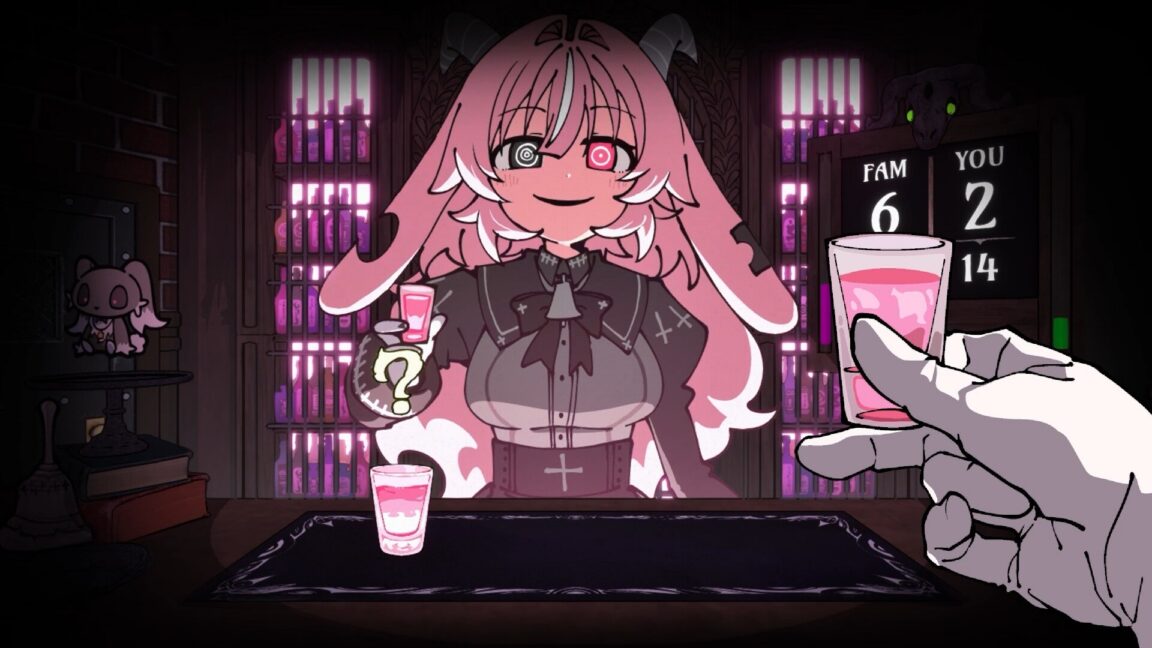
Delayed Steam Next Fest demo is a sign of a growing problem for indie devs.
Since its earliest days, the video game industry has been built on developers creating clones of competing games, with varying levels of originality and varying levels of enforcement from game platforms. Now, though, AI coding tools are making that cloning process so efficient that many developers are getting extremely cautious about sharing their early work too widely.
Developer Alliance Arts highlighted this trend over the weekend, delaying the launch of a planned public demo for its demon-themed Russian Roulette drinking game Drunken Goddess Reflex, which had been set to go live with today’s launch of Steam Next Fest.
In a post on social media Friday evening, the Alliance Arts team wrote that, in addition to concerns about managing streaming restrictions, “we’re concerned that the demo’s content could be used to quickly imitate or replicate the game’s presentation and gameplay with AI or other tools and that such works could be released before our launch.”
Instead, the developer now plans to share the demo only in “closed sessions” with those who agree to rules regarding posting and streaming gameplay.
Alliance Arts isn’t alone in taking a more defensive stance toward sharing ideas. Papers, Please developer Lucas Pope said on an April podcast that, in general, “you don’t really talk about stuff when you’re working on it because I don’t know it’s going to get slurped up by AI or people are going to copy it or something else like that… I just didn’t feel as comfortable talking about the stuff I was working on again.”
Concerns about ideas getting “slurped by AI” have been more than theoretical for a number of indie developers in recent months. In March, developer Freya Holmér attracted some viral social media attention after sharing a video of a prototype of a Tetris-style game played on a central rotating pivot point. Days later, Holmér was confronted with a number of vibe-coded copies that made the basic concept widely playable before Holmér could release her own version.
“Y’know it kinda disincentivizes me from sharing progress when there are slop ghouls around every corner, AI or otherwise,” Holmér wrote in response to the spread of those preemptive clones. “Luckily these people are incapable of original thought and don’t know how to elevate this concept beyond what they’ve already seen.”
McPixel developer Sos Sosowski has been documenting numerous examples of fellow indie devs complaining of AI-generated clones making wholesale copies of their efforts. Sosowski says the situation puts indie developers in a hopeless bind when trying to promote their work: “Don’t share your game—no sales. Share your game—gets stolen,” he wrote. “How do you even survive as an indie in the current landscape? This is insane.”
Charlie Greenman, who posted one of those AI-powered clones of Holmér’s rotational Tetris game earlier this year, told 404 Media that he didn’t see anything wrong with what he did. “I feel like I had this brand new creation,” Greenman said. “When it gets to that point, is one song copying another? Is one game copying another? Whoever created Blox, Jenga, is that a copy of Tetris?”