// KOTAKU — GAMING
Shigeru Miyamoto Doesn’t Know If AI Can Take Over Creativity, But Says It Could Be An ‘Opportunity’ To Define What It Means To Create
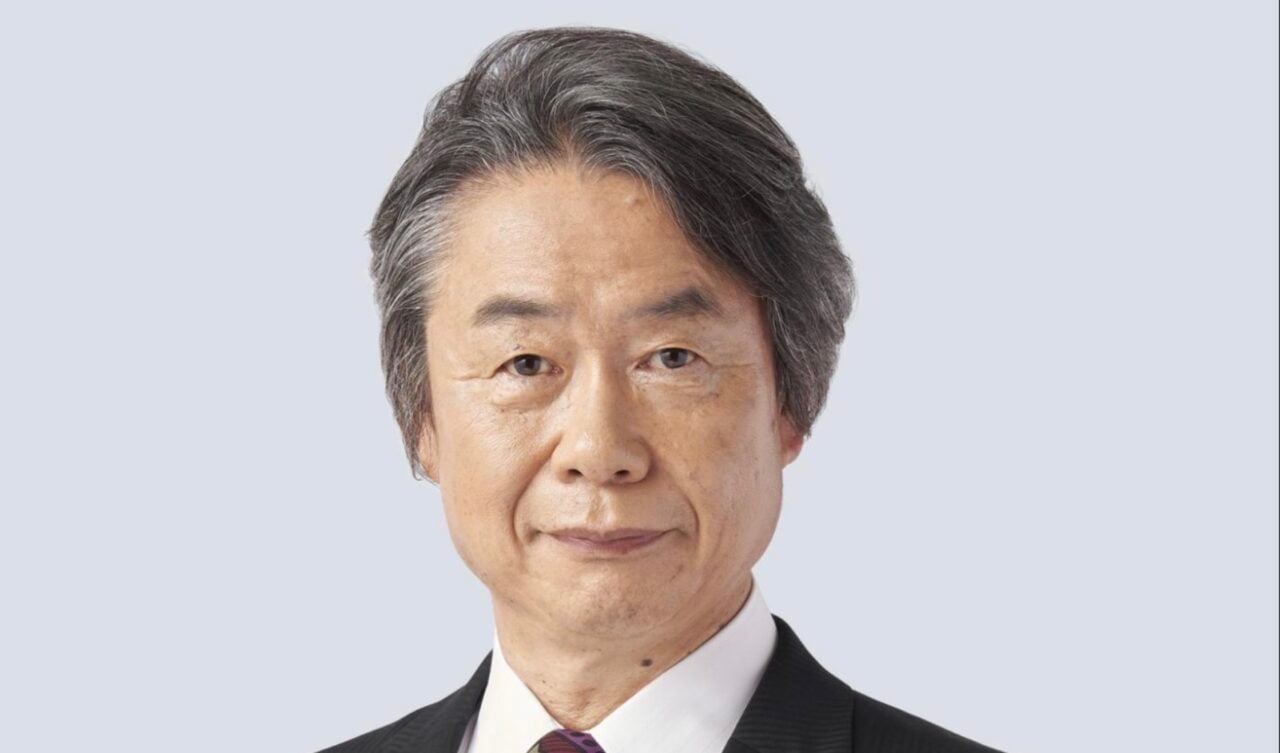
Every year to mark Culture Day in Japan, the government—on behalf of the Emperor of Japan—honors people whose cultural contributions have had a major impact on shaping the national image of the country. This year, Nintendo’s Shigeru Miyamoto was recognized for his contributions to gaming. During a public press conference expressing his gratitude for receiving the honor (transcribed by Denfaminico Gamer), the longtime developer reflected on the evolution of the games industry over the past 50 years, as well as the future of the industry as a result of AI.
“Video games are not a thing that can be developed alone, but are the result of groups of people coming together to create,” Miyamoto said at the ceremony, stating that he received the award as a “representative” of all the people he worked with to make his various games. “Especially recently, I’ve been working Universal Studios Japan on Super Nintendo World and with many people in different fields of work. I want to share the joy of this award with those people, as well.”
Reflecting that it had been almost 50 years since he joined Nintendo in 1977, he said that his was a “lucky life to have lived,” one in which he’s been able to have an influence on shaping the evolution of gaming. When he first started working at Nintendo, the company was most known for board games and playing cards—games that belonged in the living room, with friends and family coming together to play them. To him, developing video games has always been about shaping experiences around the living room and people in that space, making sure those games don’t look out of place in the center of a person’s home.
This philosophy had a major influence on the development of the Wii, with the creator noting that he felt a lot of worry about the industry and company during the shift from GameCube to Wii. “Games were evolving with the people who played them, consoles were becoming more about their power, and the number of people playing games was growing,” Miyamoto noted. “In school, questions like ‘hey, do you play video games?’ were being asked among students, but there was a divide between those who played games and those who didn’t. Rather than that, I thought it would be better if games could find a way to blend naturally into everyday life and be able to have a positive effect on everyone. But if we wanted that to happen, I began to wonder if the controller made for playing games, something that should be designed to make gaming more fun, had actually become too complex and off-putting for people playing games for the first time.”
Nowadays, thanks to the Wii and Nintendo DS and, later, phones, gaming is more accessible than ever, aided further by generations of people who grew up playing games now raising children of their own. With games becoming a greater part of the broader cultural landscape, the influence and understanding of gaming, and the ability for characters from games to exist beyond the screen in everyday life, Miyamoto’s perspective on whether video games could successfully make the jump to new mediums such as film has changed. He was once opposed to the idea of his games being adapted into films because, in his mind, he’d designed characters specifically for the games they were a part of, and the interactivity that brings them to life is something that can’t be replicated by a movie. However, the love for Nintendo characters that had developed among fans even beyond gaming made them more flexible, allowing them to be molded to work inside new mediums and to be featured at theme parks.
As the press conference continued, journalists questioned Miyamoto about his views on AI. Miyamoto took a historical view of the evolution of the technology and its potential use in gaming, weighing its technical merits against artistic concerns regarding over reliance on the technology. “Computers were first invented during my generation, and we saw tools evolve rapidly from typewriters to word processors. Desi