// SPACE.COM — SPAZIO & SCIENZA
The Taurid meteor shower peaks tonight — and fireballs could steal the show
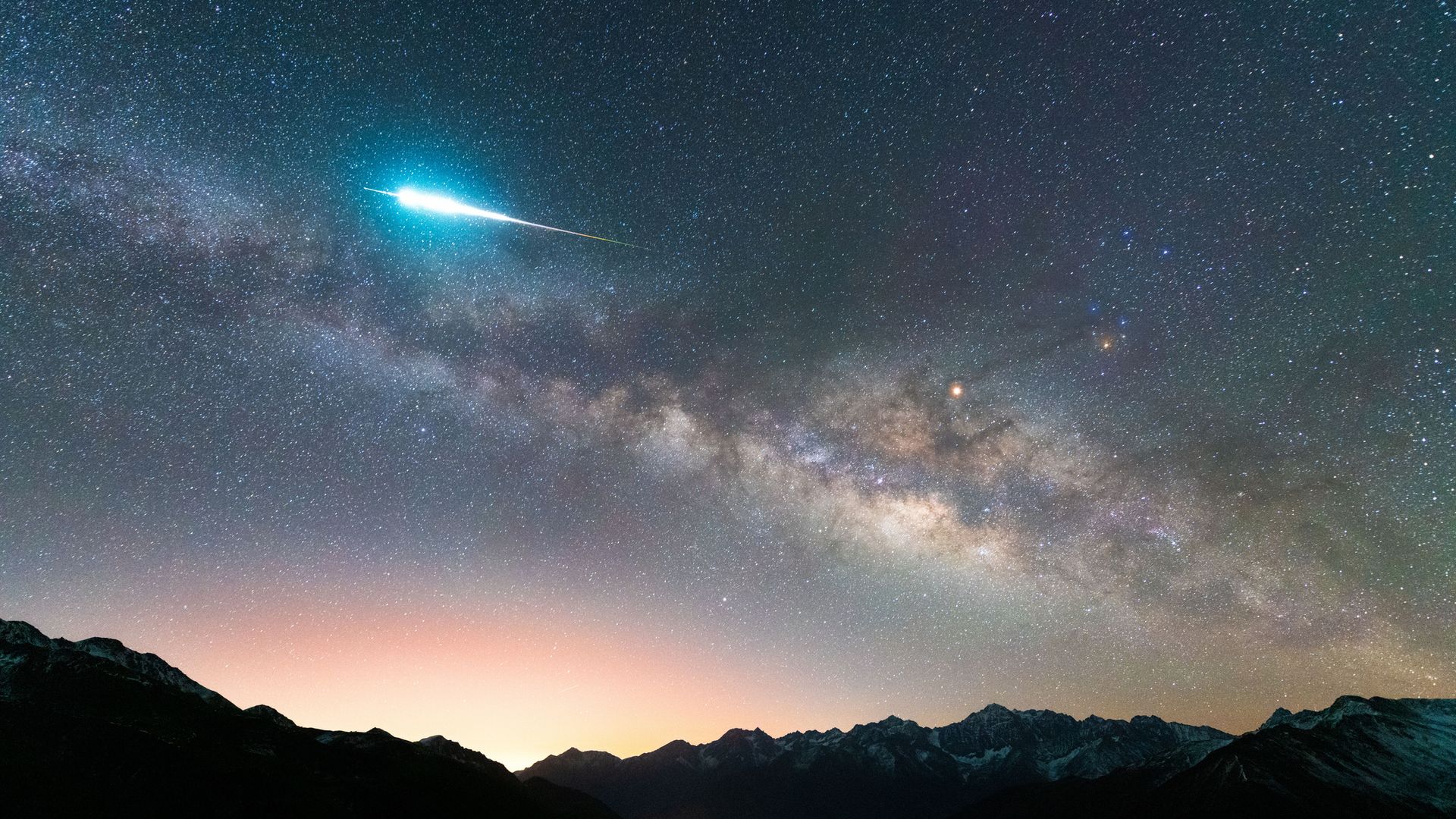
The Taurid meteor shower could spawn dazzling fireballs in the coming weeks! Here's when and where to look.
When you purchase through links on our site, we may earn an affiliate commission. Here’s how it works.
Heads up stargazers! The Taurid meteor shower is upon us, bringing multiple peaks of activity that could see spectacular shooting stars and fireballs brighten November's sky. Here's where and when to look.
Every autumn, Earth plows through streams of debris left behind by Comet Encke, a 3-mile-wide (4.8-kilometer) ice body that orbits the sun once every 3.3 years.
These debris streams produce two branches of the Taurid meteor shower: The Southern Taurids, active from Sept. 20 to Nov. 20 and the Northern Taurids, active from Oct. 20 to Dec. 10.
As Earth plows through the debris streams, tiny particles slam into our atmosphere at 65,000 miles per hour (104,607 kilometers per hour), producing dazzling streaks of light across the night sky.
Both branches of the Taurid meteor shower appear to travel away from a point of origin — or radiant — located in the constellation Taurus, which rises in the southeastern sky during November evenings.
The Taurids are known for spawning brilliant fireball meteors, which can flare brighter than Venus as pebble-sized pieces of debris enter and burn up in the atmosphere.
The Southern Taurid shower features two distinct yearly peaks, the first of which occurred on Oct. 14. The second takes place overnight on Nov. 4-5 and is associated with an increase in fireball activity, when up to five meteors per hour could be seen blazing across the sky.
The Northern Taurid stream, meanwhile, is expected to peak overnight on Nov. 11-12 with the same predicted hourly rate of up to five meteors per hour streaking across the dark, near moonless sky.