// KOTAKU — GAMING
Has The Ocarina Of Time Remake Changed Too Much? Fans Debate Difficulty, Tone, And Handholding
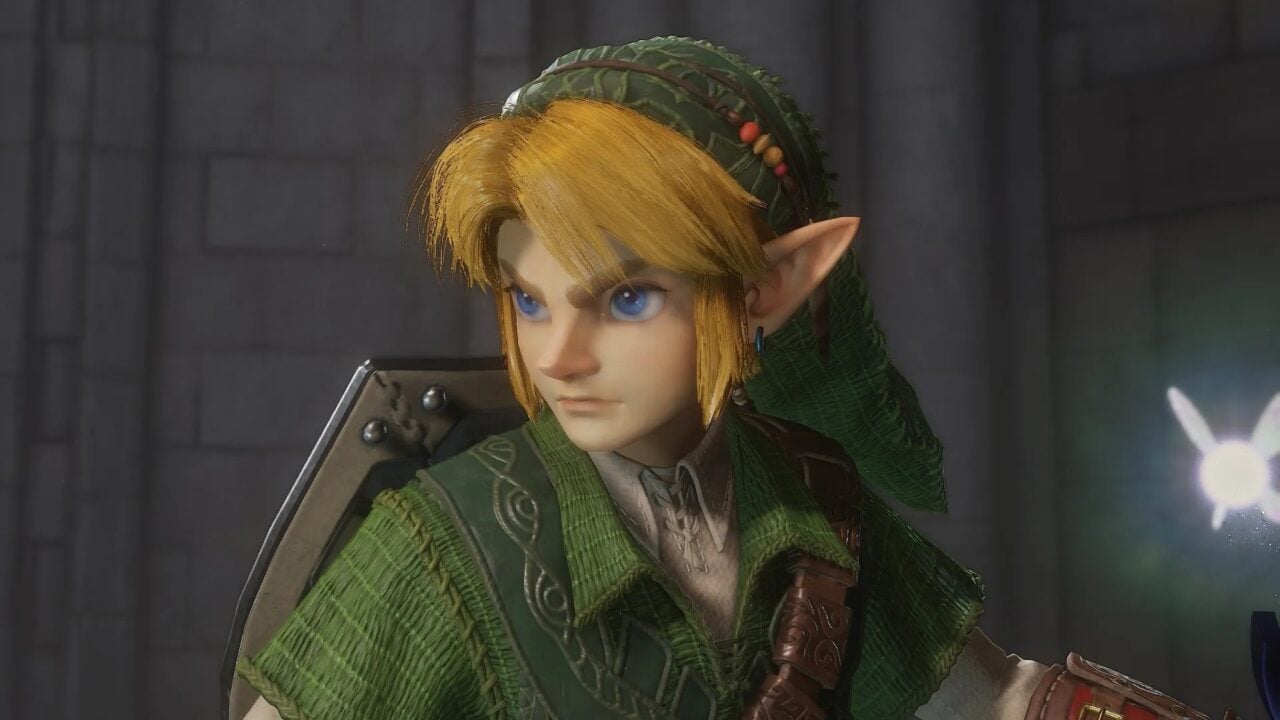
As is often the case when something is remade, the Switch 2 remake of The Legend of Zelda: Ocarina of Time is generating a lot of comparisons to the original. Purists will often deride any changes made to the thing they grew up with, so I was prepared for a lot of the discussion to come off like an old man yelling at cloud about how one of the most widely celebrated video games of all time was better “back in his day.” However, the Ocarina of Time remake isn’t just getting a lot of the usual remake criticism that tends to revolve around things like graphical fidelity and art style; there’s also a fair bit of discussion about how its modern game design sensibilities may have sanded off some edges and, in so doing, diminished certain things that made Ocarina of Time great.
This morning, I came across a 16-minute video in which Twitter user KloverKlub14 rattled off most of their complaints about the remake. Some of them can be dismissed as nitpicking small details that only the sickest of sickos would ever recognize, but there’s actually a fair bit here that stood out to me about how much easier Ocarina of Time is on Switch 2 than it ever was on the Nintendo 64.
I compiled most of my complaints with the Ocarina remake into this video pic.twitter.com/tnnNx9Jslc
In the flood of complaints, a theme emerges. The difficulty nerf isn’t as easy to sum up as saying “Link does more damage than before,” but instead manifests in several little things that add up across the course of the game. Certain environmental hazards are gone, Link no longer lands on a lower floor if he plummets off certain platforms but instead just respawns where he fell from, some enemy behaviors like Stalfos being able to revive themselves if you don’t defeat an entire squad of them quickly enough have been removed, and some secrets in the environment are now signposted with elements like dedicated targets for Link to aim the Hookshot at, denying players the pleasure of figuring it out for themselves (or sparing them the effort, depending on how you feel about the change).
“People keep pointing at better controls and ‘it was harder for you before because you were a child,’ conveniently ignoring that people continued to replay this game into their adulthood,” a redditor writes. “But it goes beyond that, for both the puzzle and navigation aspect and combat, there are factually things that make it easier. Some dungeon challenges are simplified, objects in the room are less hidden and easier to spot, there’s constant exposition for what you’re supposed to do, challenges that used to be timed now no longer have a timer. Some enemies are easier, some are actually harder, like the Redeads now being more aggressive and able to run. Those changes can be subjective, but there are also changes that objectively make it easier, like Stalfos dealing half the damage they used to. On the other hand, I’ve noticed heart drops are more scarce, and I’ve never seen enemies drop three hearts like they frequently did in the original. Other examples are King Dodongo now being less of a joke, since you can no longer just stand to the side as he rolls past you, and he now also summons baby dodongos. But then there’s bosses like Phantom Ganon who is significantly easier with the slow moving energy balls.”
Finished Ocarina remake. Pretty conflicted overall. I think this is a death by a thousand cuts situation honestly. There are too many little things that I loved about the original game that have been lost here.
Something I’ve definitely noticed is that some parts of the Ocarina of Time remake feel like they’re shying away from the darkness of the original game. Yes, I am comparing the level of dread and fear I felt playing the game as a kid to what I feel now as an adult, but I’m specifically thinking of the original game’s more explicit references to the violent deaths of people who aren’t villains. One notable example that a lot of fans have pointed out is that at the end of the gam