// SPACE.COM — SPAZIO & SCIENZA
ULA lost a Vulcan Centaur rocket carrying 40 Amazon satellites 10 minutes after launch — but the failure began just after liftoff
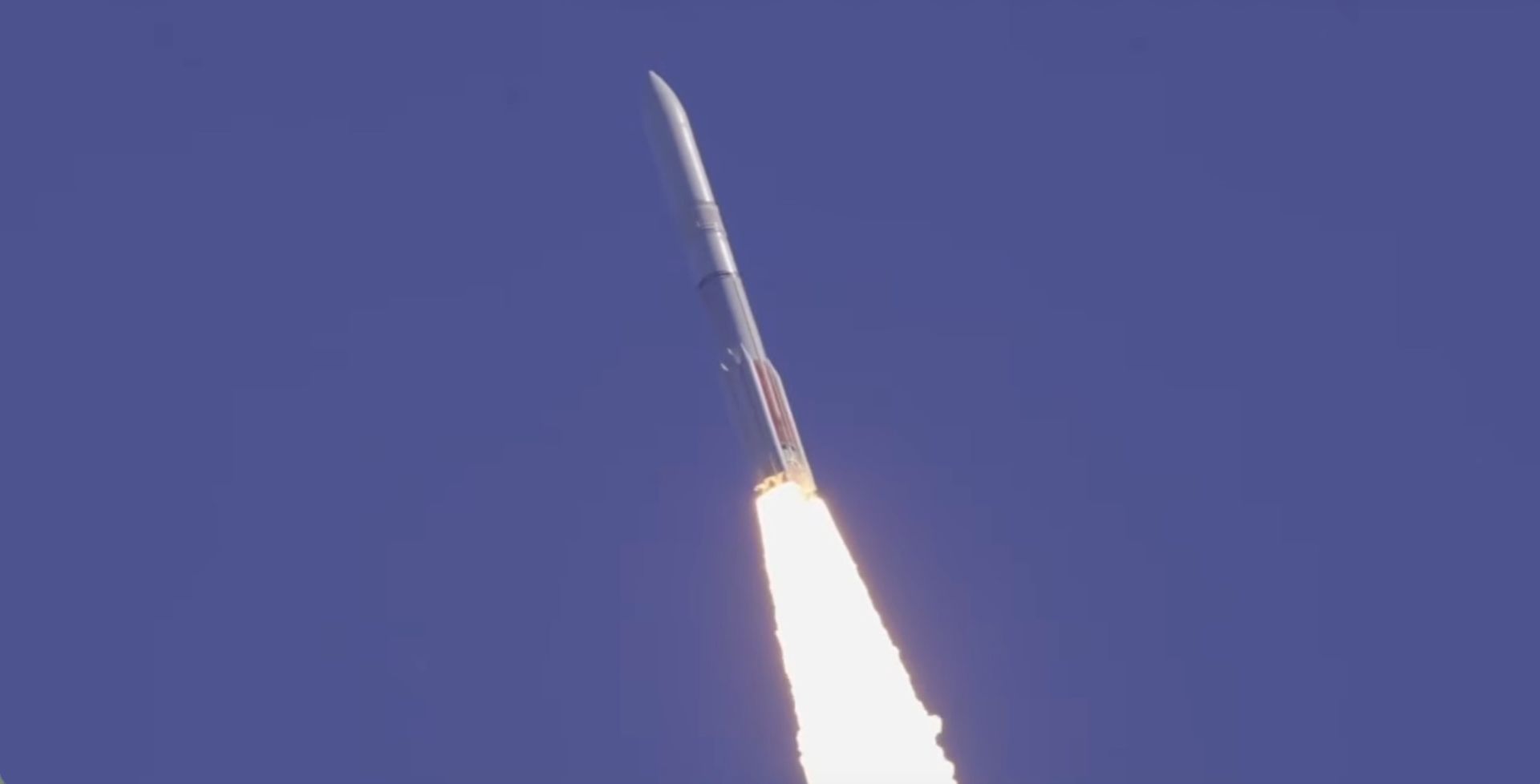
"Early indications are that just after liftoff the launch vehicle experienced low booster performance."
When you purchase through links on our site, we may earn an affiliate commission. Here’s how it works.
The failure of a Vulcan Centaur rocket carrying a full load of internet satellites for Amazon was caused by an anomaly in its first-stage booster, rocket maker United Launch Alliance said today (Nov. 17).
That failure — which led to the loss of 40 Amazon Leo internet satellites — was recognized about 10 minutes after liftoff, but the problems began much earlier than that, ULA said in a statement.
"While we appear to have lost telemetry and the mission at approximately 10 minutes into flight, early indications are that just after liftoff the launch vehicle experienced low booster performance, resulting in stage separation occurring when the vehicle was low in altitude and below minimal velocity to reach orbit," ULA wrote in today's update.
The two-stage Vulcan Centaur is the successor to ULA's workhorse Atlas V rocket, which will retire after just six more flights. Vulcan debuted in January 2024 and now has a total of five launches under its belt.
The new rocket has experienced problems on three of those missions. On both its second and fourth flights — which launched in October 2024 and February of this year, respectively — the nozzle of one of Vulcan's strap-on solid rocket boosters (SRBs) fell off about 30 seconds after liftoff.
On both occasions, the rocket overcame the problem and successfully delivered its payloads to orbit. However, after the second occurrence, the U.S. Space Force paused national-security launches with Vulcan until ULA addressed the SRB nozzle issue. (The February 2026 flight was a Space Force mission.)
That work led to "design and process improvements to the nozzle," ULA said in an Oct. 28 update. And those tweaks apparently worked.
"All indications are that the solid rocket booster performance was nominal, following nozzle improvements implemented for this launch," the company wrote in today's update.