// PC GAMER — GAMING
Football Manager 27 review: Back on form, but not without its wayward touches
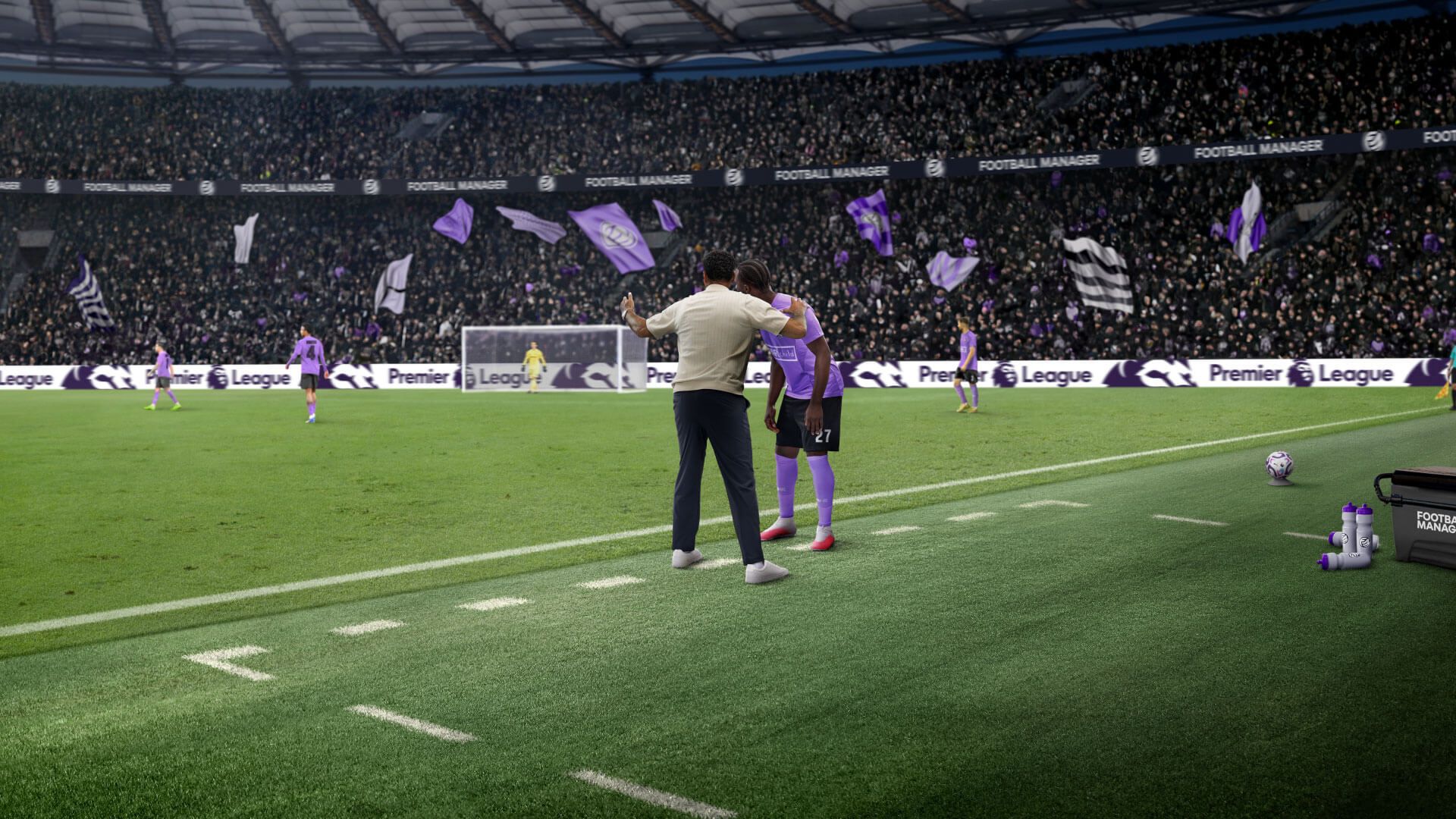
Faster-moving, sometimes maddening, and obsession-forming. Football Manager finds a way to make spreadsheets fun again.
PC Gamer's got your back
Our experienced team dedicates many hours to every review, to really get to the heart of what matters most to you. Find out more about how we evaluate games and hardware.
What is it? The latest in a long line of life-absorbing sports management sims.Release date November 10, 2026Expect to pay $60/£50Developer Sports InteractivePublisher SegaReviewed on Ryzen 7 9800X3D, Radeon RX 9070XT, 16GB RAMSteam Deck TBALink Official site
It's difficult to convey to non-players how deeply Football Manager gets under your skin. It's the kind of game that becomes your mental screensaver, the fallback topic whenever your brain isn't explicitly required to think about something else. A Slack DM came in this morning and for a second I interpreted 'DM – [Name]' as Slack assigning my colleague the defensive midfielder position. When did they add that feature? I caught myself thinking for a second.
That in itself doesn't mean Football Manager 27 is a great game. This series is capable of fostering fixation even on its off games, like last year's tile-ridden UI tangle FM26. But this new release makes meaningful progress by untangling that UI, improving the flow of the game between matches, and—the holy grail—giving you some clue as to why you're losing, and what you can do about it.
The latter point comes thanks to the introduction of the 'tactical effectiveness' system. This is a visual rating of all the factors that affect your team's performance, and it lives in your tactics screen as a colour-coded scale. The better all those underlying factors are working, the higher your tactical effectiveness scale goes. Click on it and you see under the hood of FM's simulation, at all the elements which determine your squad's performance, from individual player ability and training effectiveness to each player's degree of buy-in to your tactical vision.
That screen gives a degree of transparency to what's deciding whether you win or lose, and having played these games since Championship Manager 2, I've been wishing for that transparency for a long time.
But it's not without its issues. This being the introduction of this new system, its effects feel overly exaggerated. If your team has a low tactical effectiveness they'll lollop about on the pitch like it's their first day on Earth, even in the most basic formations that my school's under 11s side could execute. It's extremely frustrating to watch the sport's absolute elite wandering about in the final third like they've forgotten where the goal is, or witness Champions League-calibre centre backs totally baffled by their markers running in a straight line towards goal. This is probably how it feels to be a Man United manager in real life, but it still feels like a failing of the match engine to visualise poor tactical effectiveness in a true-to-life way.
The flipside of that coin is that there's a lot of gratification to be had in increasing that TE scale, and FM 27 does a good job of surfacing the ways to do it. It means setting more tactical familiarity sessions in the training screen, a doorway I haven't personally darkened for years as a manager since it allowed me to delegate that task to my assistant. It also finds its way into recruitment, showing you a rough prediction of how well a player will contribute to that all-important rating even before you sign them. I really enjoy this new way of thinking about signings, and relish the chance to be proactive about improving performances instead of changing things at random and crossing my fingers.
On the pitch, there's some modest progress since last year. New animations, specifically flair passes and players recovering from a stumble after being shoulder-barged, tell you something useful about that player's attributes and how they can be used. Meanwhile on the presentation front, there are a few n