// ITS FOSS — LINUX & OPEN SOURCE
Flipper One is a Pocket-sized Linux Cyberdeck
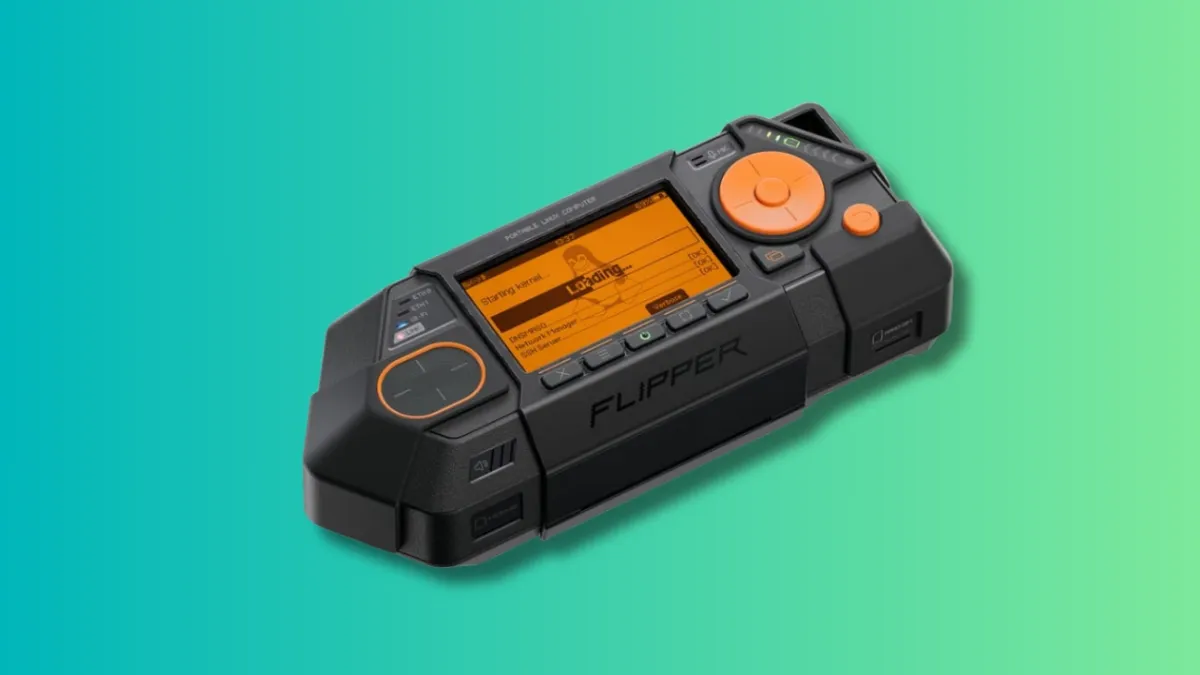
Pocket-sized computer tools are the definition of cool, recruiting many people over to the developer side of things, including your humble writer.
A project like Flipper One, which is intended to be a device that features the full mainline Linux kernel in a small package with a full range of connectivity, not to be used as a full-fledged computer (not all the time, at least) but rather a cyberdeck that can be used for development, experimentation and last but not the least, pentesting, is such a dream come true.
With its radical philosophy of complete openness, both in terms of hardware and software, and the ability to do whatever is possible with the hardware on board, it is a project that would have sent my 14 year-old self into a hyperventilating fit. So what exactly can it do? And how do you fit into the picture? That's exactly what we will tell you today.
Flipper One hasn't been released yet, but there are some ambitious features that have been planned for it. While Flipper Zero was more of an offline access tool, with emphasis on NFC, RFID infrared, UART and so on, Flipper One is intended to be a network connected Linux system. So obviously, we start with:
Flipper One self proclaims as a "Swiss Army knife for IP networks across all OSI layers", which include:
All this results in Flipper One being usable as anything from a multi-hotspot bridge, an inline Ethernet sniffer, a VPN gateway, or a USB Wi-Fi/Ethernet adapter for another device.
The hardware is a particularly interesting aspect of Flipper One, as it is has a completely custom, unique build. We will describe the technical aspects later, focusing first on the build of the device. It has a small monochrome 256x144px display, designed to show all necessary information from the custom software onboard, a touchpad, a 5-button D-pad, a back button, an app-switching button, and 5 buttons used for further navigation to power, edit, run or escape programs, and to view other options. Oh, there's a push-to-talk button as well for a pre-installed offline AI assistant. Fancy, eh?
As an ARM based device, the processing is comparable to the power offered by a Raspberry Pi 5, handling basic operations rather well.
Here's where things get really interesting. The Flipper team intends Flipper One to be able to support the mainline Linux kernel, and has gone to the massive undertaking of having absolutely no proprietary binary blobs in any of their software. This includes the operating systems as well as the firmware. They're building FlipperOS, a layer on top of Debian, which you can do anything to.
There's also FlipperCTL, which has been created as a response to full-fledged Linux operating systems being awkward and uncomfortable on small screens. It is, therefore, a UI designed for a screen as small as that, controlled by a D-pad and a few buttons. The idea then, is to wrap utilities like ping, nmap and traceroute into this FlipperCTL interface.