// ARS TECHNICA — MODA & SOCIETÀ
Musk went to “war,” sought jail time for X ad boycotts—but case ends with a whimper
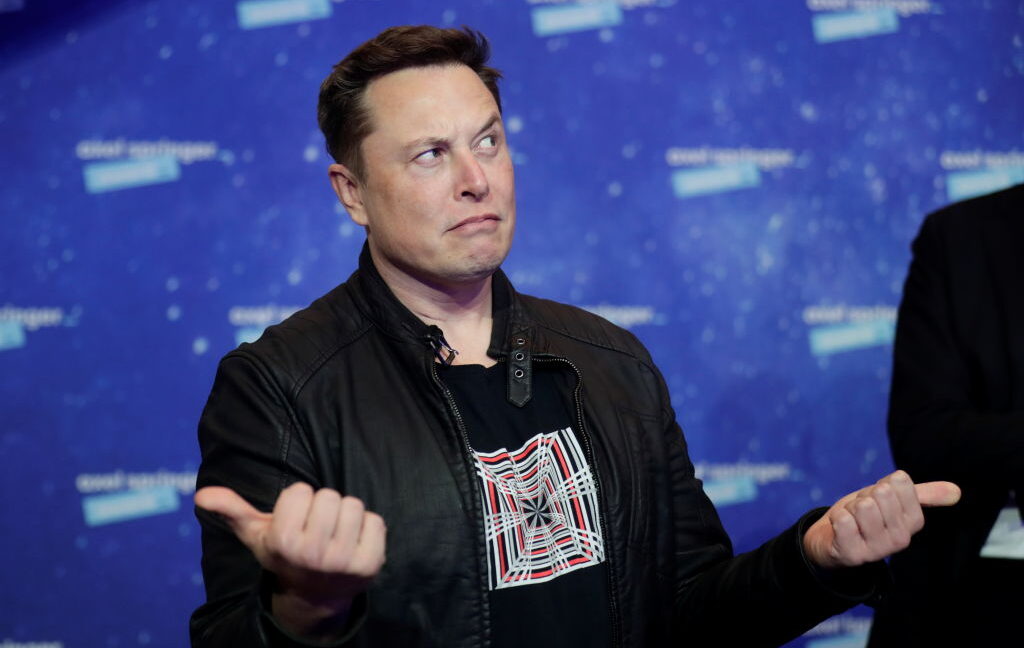
Elon Musk has settled his lawsuit with advertisers that he once claimed should be criminally prosecuted for refusing to advertise on his social media platform, X.
In a joint statement that reveals little about the deal, the World Federation of Advertisers (WFA) and X said that they were “putting the litigation involving the Global Alliance for Responsible Media (GARM) behind them.”
X sued the WFA in 2024, shortly after a series of brands boycotting X caused the platform’s revenue to drop by $1.5 billion by the end of 2023. Musk became upset, declaring “it is war” on X about eight months after he told advertisers who refused to buy X ads to “go fuck yourself.”
According to Musk, he had “no choice but to file suit against the perpetrators and collaborators in the advertising boycott racket,” who he tried to argue were violating antitrust laws by illegally conspiring to tank X revenue.
A lot has changed since Musk filed the lawsuit. Most relevant to the lawsuit, GARM was quickly disbanded after Musk called out the small not-for-profit initiative for setting brand standards that X said led advertisers to steer clear of X.
The point of the initiative was “to help the industry address the challenge of illegal or harmful content on digital media platforms and its monetization via advertising,” a now-shuttered website said. But Musk claimed GARM was instead trying to monopolize which content gets monetized online, and the effort’s dissolution will remain his biggest win in the case.
The joint statement confirmed that GARM will remain inactive as a result of the WFA’s settlement with X. No other concessions were discussed.
The rest of the statement claims that the settlement “resets the relationship between the two organizations,” which are now supposedly “fully aligned in the view that brands, platforms, and consumers will all benefit from brand-safety innovation.”
Additionally, the WFA said it is aligned with X on “its commitment to freedom of speech,” which seems to be a nod to the controversial reports on X content that Musk said triggered his “war” with advertisers. Those reports found that as hateful content was increasing on the platform, X ad controls weren’t working to stop big brands’ ads from appearing next to posts touting Hitler and the Nazi Party.
It’s unclear why advertisers settled, since a court ruled in March that the ad boycott was perfectly legal and X’s antitrust claims fell apart without proof of consumer harm. The next month, X appealed, but it appeared to be dragging its feet in filing a brief as an appellant, asking the court for an extension until August.