// PC GAMER — GAMING
John Romero says id Software once sold empty Doom boxes to Taiwanese pirates so fans there could have legit copies: 'For us, it was distribution'
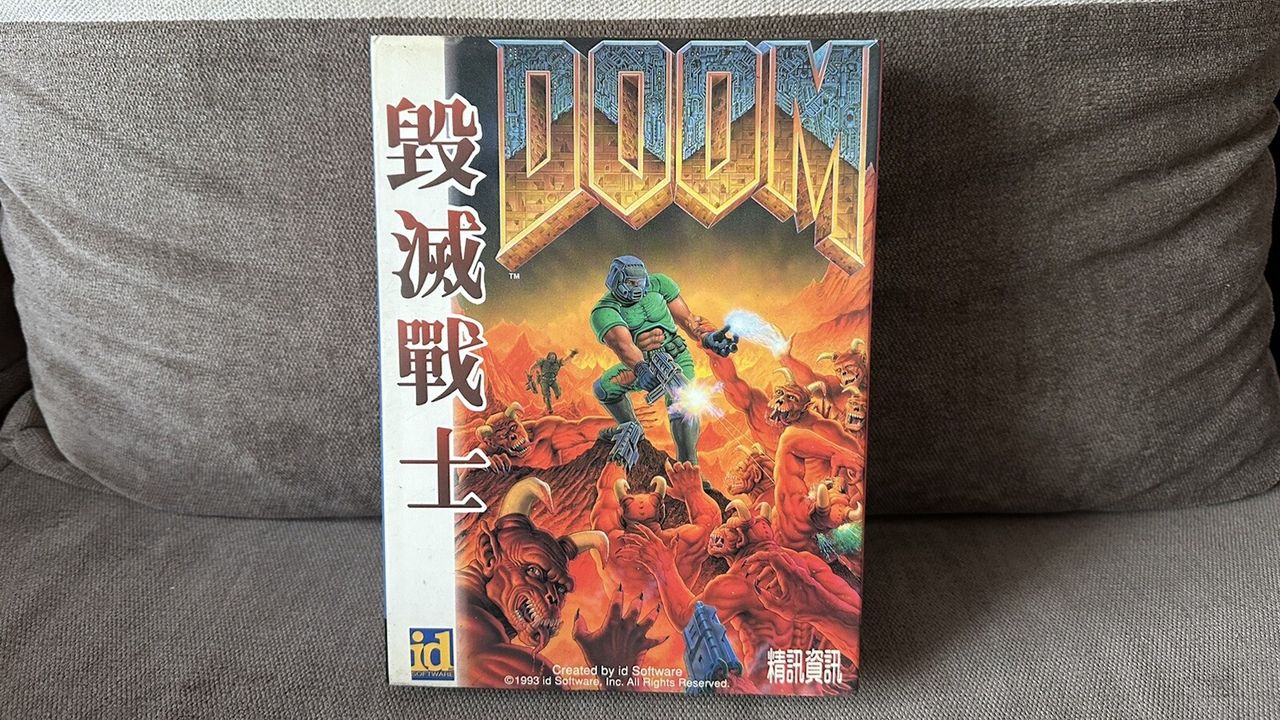
The id Software co-founder told the story during an opening panel at QuakeCon.
When you purchase through links on our site, we may earn an affiliate commission. Here’s how it works.
Doom, one of the most influential videogames of all time, was famously distributed via the shareware model: The game's first chapter was completely free, and if you liked it, you sent id Software some money and they mailed you the remaining two episodes.
What would sometimes happen in those pre-online days, though, is that less-than-scrupulous resellers would offer the shareware version for sale, even though it was meant to be free. For $5 (or whatever, it's been a while), you could take home the hot new shooter from the guys who made Wolfenstein—and sure, you weren't getting the whole thing, but whatever. It's still Doom. Do you want to play it or not?
You might think that id Software would take issue with people making money on their work while they received nothing, but speaking at QuakeCon today, studio co-founder John Romero said the opposite was true: They were happy to see it happen.
"Please do it. Don't give us any money. Just get it out there," Romero said about people who made and sold the shareware version of Doom on floppies. "You would go to the store and you would see 10 different boxes that all had the same shareware Doom in it. I don't care. Give it to everybody, get it out there.
"We were totally happy with that. We were doing so much work just getting the game out. We knew in Taiwan that they were copying it: 100%, that was the market back then. So we contacted the biggest pirates there and went, 'Can you buy boxes from us? Really cheap. Really really cheap.' So they bought tons of boxes off of us, so it would be legitimate.
"Get it out there, make them feel good. We made money when people would actually order the rest of the game. We didn't try to make money off the shareware [version]."
Romero said id viewed it as simply a form of distribution—because again, this was years before the ubiquity of the internet, and most gamers didn't have easy access to this stuff, as we explored in our feature on how shareware transformed PC gaming forever.
Keep up to date with the most important stories and the best deals, as picked by the PC Gamer team.