// ARS TECHNICA — HARDWARE & GADGET
2026 Subaru Outback review: Great interior, refined drive, divisive looks
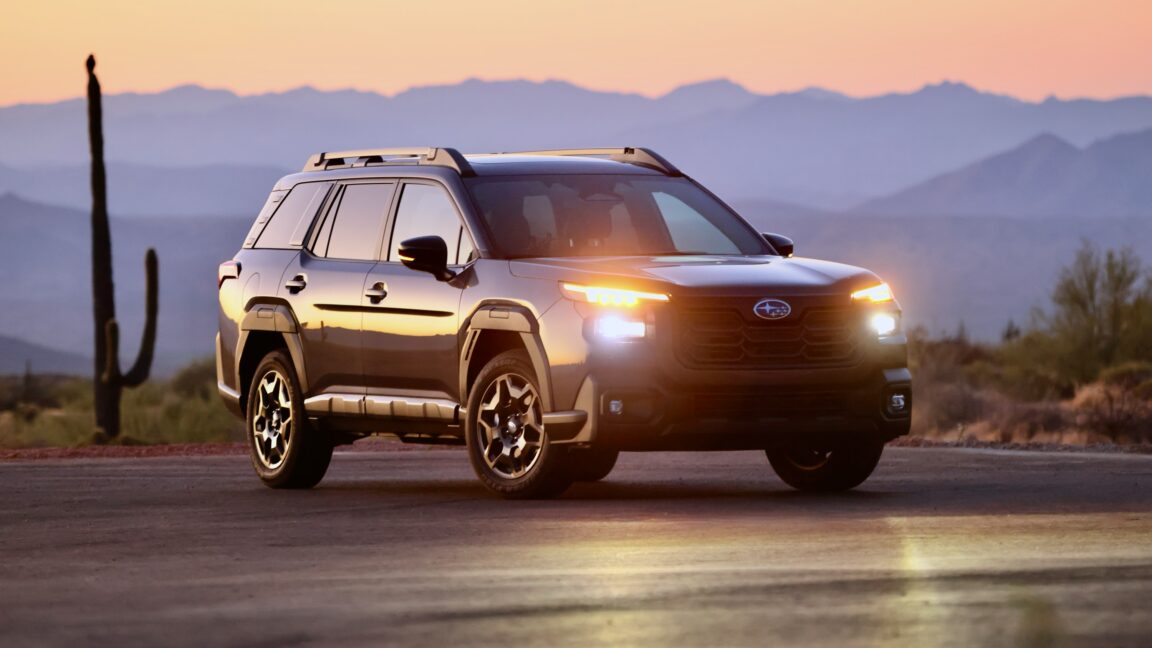
The newest Outback sticks to the script; that’s no bad thing if you like Outbacks.
When station wagons headed for the same retirement home as the vinyl roof and the opera window, Subaru looked at its sensible Legacy wagon and had a different idea. Raise it a few inches, wrap the lower body in plastic cladding, name it for the Australian bush, and suburban families would drive to soccer practice while imagining themselves fording streams and climbing sand dunes.
In giving birth to the Legacy Outback in 1995, Subaru more or less created the template for the modern, adventure-minded, off-road-themed crossover. By the 2000 model year, the Outback had graduated from trim level to standalone model, and it has been paying the bulk of Subaru’s bills ever since.
Today, the 2026 Outback marks a new era in the model’s history. The wagon silhouette that defined six generations has given way to a sharpened two-box shape that’s much more at home parked next to an upright Forester or Ascent. Tall, square, and profusely SUV-like, the new edition won’t win any beauty contests, but form follows function more than ever in the Outback.
Standard all-wheel drive across all six trim levels (starting at about $36,000 to just under $49,000, including the required $1,450 destination) ensures all Outbacks have similar poor-weather and poor-road ability, though the Wilderness version rides 0.8 inches (20 mm) higher off the ground and comes with more dedicated all-terrain tires. My Limited test vehicle stickered at $43,165.
The new Outback isn’t pretty, but spend a week driving it, as I did, and you’ll quickly care less about the outer skin than the inner capability. The extra height over the 2025 version affords much improved passenger and cargo room. There’s one caveat, though: The new interior steps threateningly close to premium quality, and a new infotainment system and electronics package pull everyday usability and convenience up the ladder by a rung or two.
Climb in and close the door, and you’ll find the dashboard cleaner than before, with climate controls thankfully presented as tangible knobs and buttons rather than the sometimes-lethargic digital renderings of the prior Outback. The only demerit here is the mesh fabric covering the upper door panels and part of the dashboard. This material looks a bit cheap and can be pulled like a shirt, making the pattern askew.
While the front seats offer lots of legroom and adjustability and are very comfortable even on multi-hour drives, the rear seat offers even more space and shoulder room. But the seatbacks do not recline, as in many SUVs. Ingress and egress from both front and rear seats is also excellent. The Limited trim includes heated outboard rear seats. Thoughtful shopping bag hooks and tie-downs in the cargo area come standard, and there’s also meaningful under-floor storage back there, too.
On the technology front, a new 12.1-inch infotainment system responds quicker and proves easier to navigate, with large, highly legible icons. You can also more easily read the new 12.3-inch, hi-res, and configurable digital instrument cluster. Several USB-A and USB-C ports come standard front and rear, and there’s wireless charging up front.
My Outback Limited’s Harman Kardon audio system (12 speakers, 576 watts) reproduced sound better than I anticipated, whether I was piping in Miles Davis, MC5, or Mahler. The top Touring trims include a hands-free highway driving system that bridges the adaptive cruise control and lane-centering already aboard the Limited test vehicle.