// BBC UK NEWS — CRONACA
Perseid meteor shower reaches peak: When and where to catch a glimpse
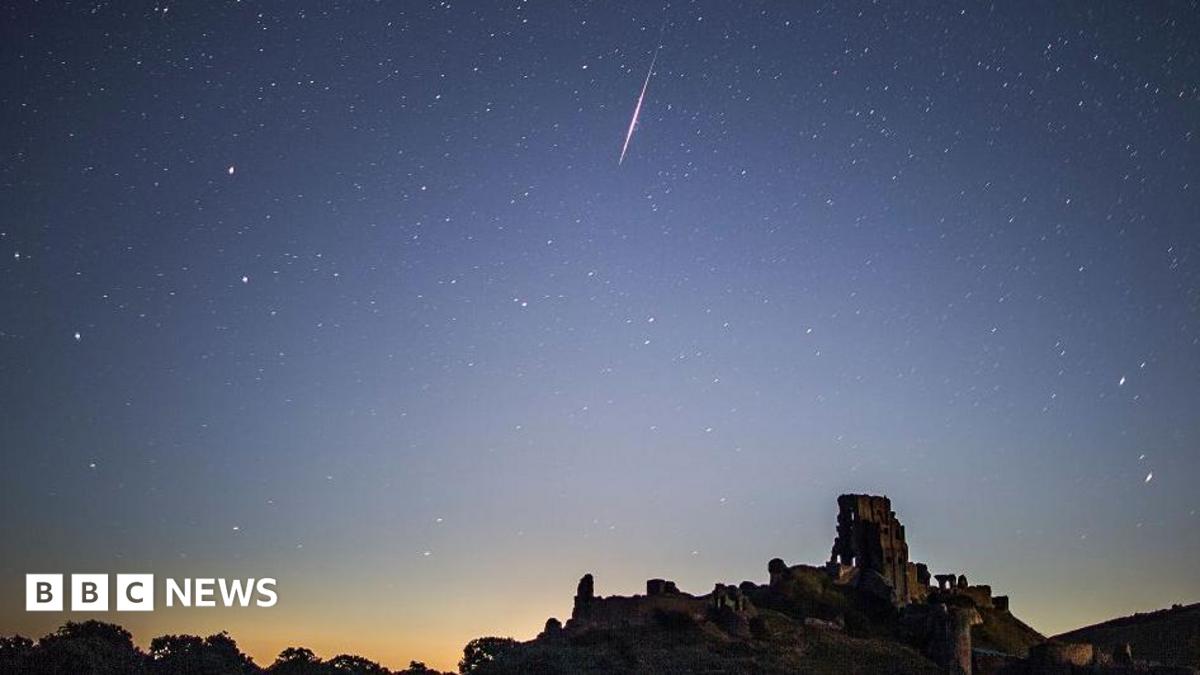
This year's Perseid peak coincides with a new moon, so there will be no bright moonlight to obscure meteors
The best annual meteor shower has once again returned to our skies, and the Perseids dazzling display is set to peak on Wednesday night.
But skywatchers will be treated to not one, but two, impressive astronomical events within just a few hours of each other.
A deep partial solar eclipse will be also visible in the UK in the early evening before the Sun sets and the stars emerge. While the two events are unrelated, their timing makes for an exceptional night of stargazing.
Astronomer Dr Becky Smethurst said it was "the perfect cosmic coincidence of events".
Here is when to look up and where you will have the best views of the meteor shower.
Meteor showers happen when the Earth passes through trails of debris from asteroids or comets - a snowball of frozen rock and gas orbiting the Sun.
As that debris enters our planet's atmosphere, it burns up and creates spectacular streaks of light - meteors.
Royal Astronomical Society Research Fellow Dr Becky Smethurst described the Perseids as "one of the best nights for astronomy all year".
The Perseids, pronounced 'Per-see-ids', are caused by debris left behind specifically by the Swift-Tuttle comet.