// HACKER NEWS — CYBERSECURITY
Ordinary abundance
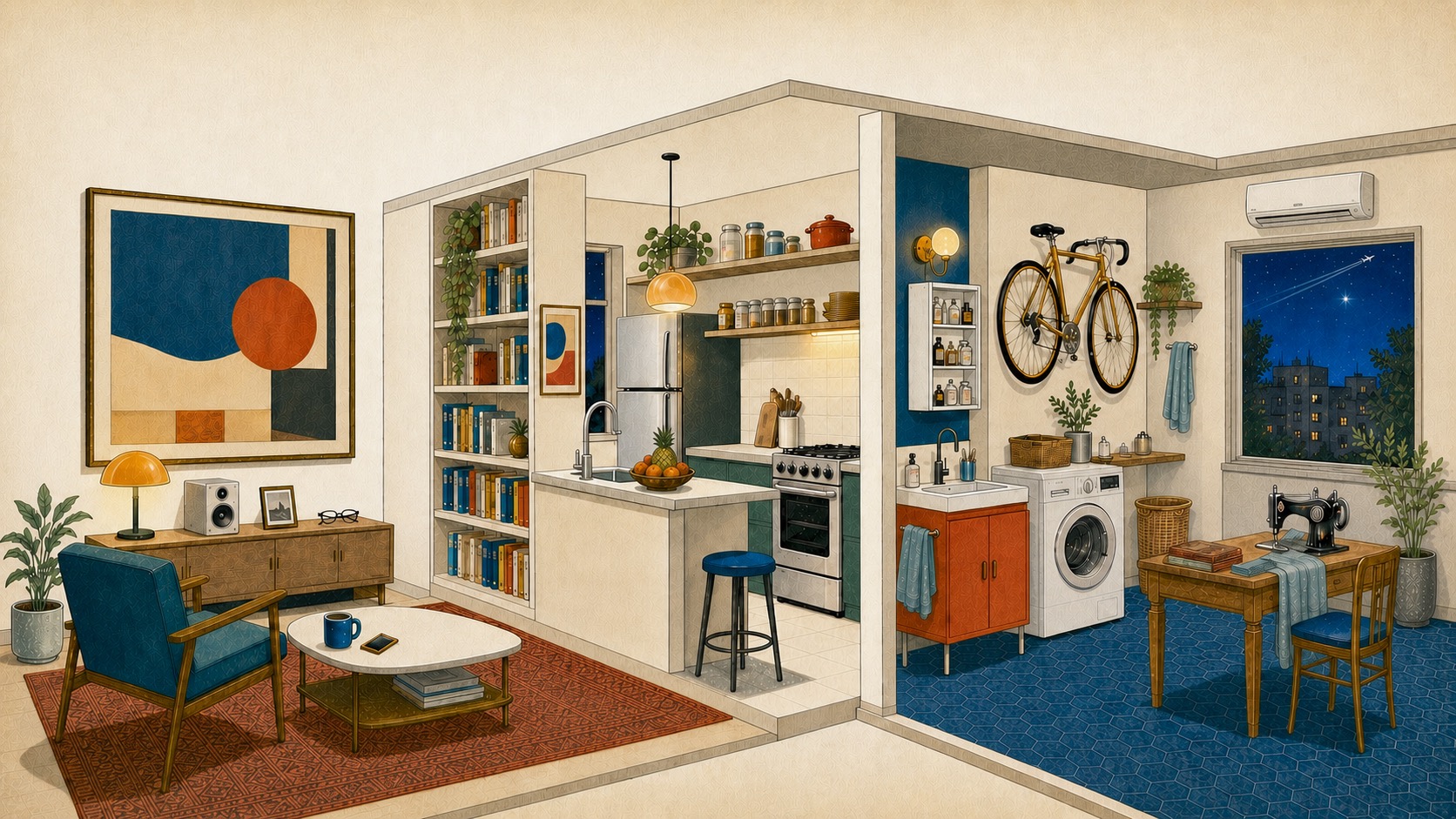
It’s eight o’clock. The apartment is quiet, aside from the music playing softly over the speaker. It’s a playlist your friend made for you years ago. You send them a text to check in, then pick up a book, flick on the lamp, and settle into the chair to read.
Edward Bellamy, 1888 — From Looking Backward, his utopian novel set in the year 2000. Before recordings, listening to music meant having instruments or performers nearby, and favorite songs could go unheard for years at a time.
A witness at Wabash, Indiana, 1880 — The night Wabash, Indiana became one of the first cities lit entirely by electric light. Candles, oil lamps, and gas jets gave relatively feeble light, and were all smoky open fires inside the home.
André Malraux, 1947 — Le Musée imaginaire, later translated as Museum Without Walls. Before reliable reproduction, most people saw major artworks only by visiting churches, collections, or museums.
Elizabeth Barrett Browning, 1843 — On first seeing a daguerreotype, in a letter to Mary Russell Mitford. Preserving a likeness used to require a painted portrait; many families had no accurate image of relatives who died.
Friar Giordano da Pisa, 1306 — A sermon at Santa Maria Novella, Florence. Age-related vision loss was common, and before spectacles it could end reading and other close work.
Briggs & Maverick, 1858 — The Story of the Telegraph. For most of history, messages traveled only as fast as the person who carried them. Receiving a reply from far away could take weeks or months.
Jakob Wimpfeling, 1505 — The German humanist, on the new art of printing. A hand-copied book was valuable enough that libraries chained theirs to the reading desks.
It’s nine. A chapter ends, and you stretch and wander into the kitchen. You’re not exactly sure what you want, so you aimlessly rifle through your fruit bowl, open and close the door to the fridge, and settle on a cup of tea. You lean against the counter and let your mind wander as the water comes to a boil.
Philip Hone, 1842 — On the arrival of Croton water in New York City, in his diary. Manhattan’s wells shared soil with its privies and burial grounds; the cholera epidemic ten years earlier had killed 3,515 New Yorkers.