// BBC WORLD NEWS — MONDO
'Ghana was the crime scene' - the country leading the demand for slavery reparations
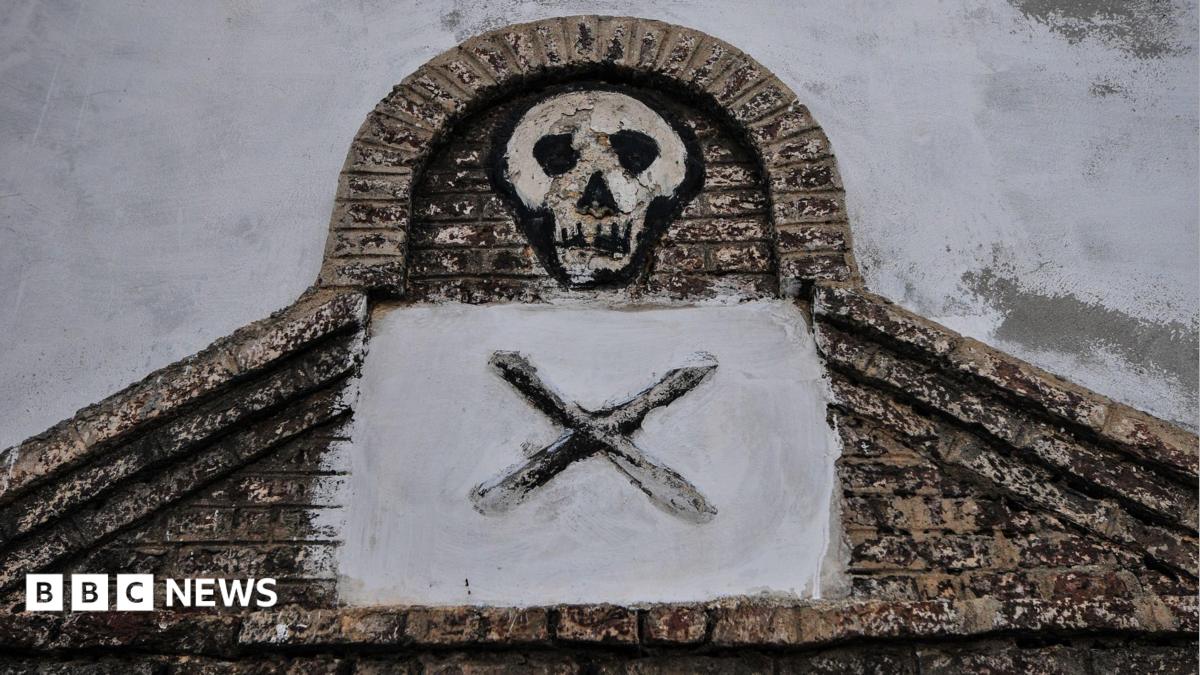
The captives were held in Ghana's Cape Coast Castle before being forced into ships to take them across the Atlantic Ocean
This year has seen a dramatic change in tone in the global conversation about the transatlantic slave trade.
The demand for formal apologies, debt relief and financial compensation from nations and institutions that benefited from slavery has become increasingly forceful.
In March, a resolution was passed at the United Nations recognising slavery as "the greatest crime against humanity" - though the United States voted against the resolution and every European nation abstained from the vote.
The UK, which alongside Portugal dominated the transatlantic slave trade, has consistently rejected the idea of paying reparations, which is perhaps unsurprising given estimates of what Britain "owes" in damages to nations affected run into many trillions of pounds.
This resistance has not deterred the country that has become the leading voice on reparations: Ghana.
It was Ghana that tabled the UN resolution, and in June, a summit on reparations was held in its capital, Accra, with delegates from around 80 countries, who concluded that recompense was long overdue.
"Ghana has always been a pan-African leader. We're the first country to attain independence in sub-Saharan Africa and to prove that it is possible to fight imperial might, and win," Foreign Minister Samuel Okuzeto Ablakwa tells me.
Ghana has been given special responsibility by the African Union to be "champion for reparatory justice" and it is clearly a role the country's political leadership is taking seriously.
In part that is because about 10-15% of the estimated 12 million Africans who were forcibly removed from their homes, torn from their villages, and dehumanised on a scale never before seen, were from what is now Ghana. Even more were shipped from its shores.