// BBC WORLD NEWS — MONDO
How much could Trump's 'economic D-Day' hurt Iran?
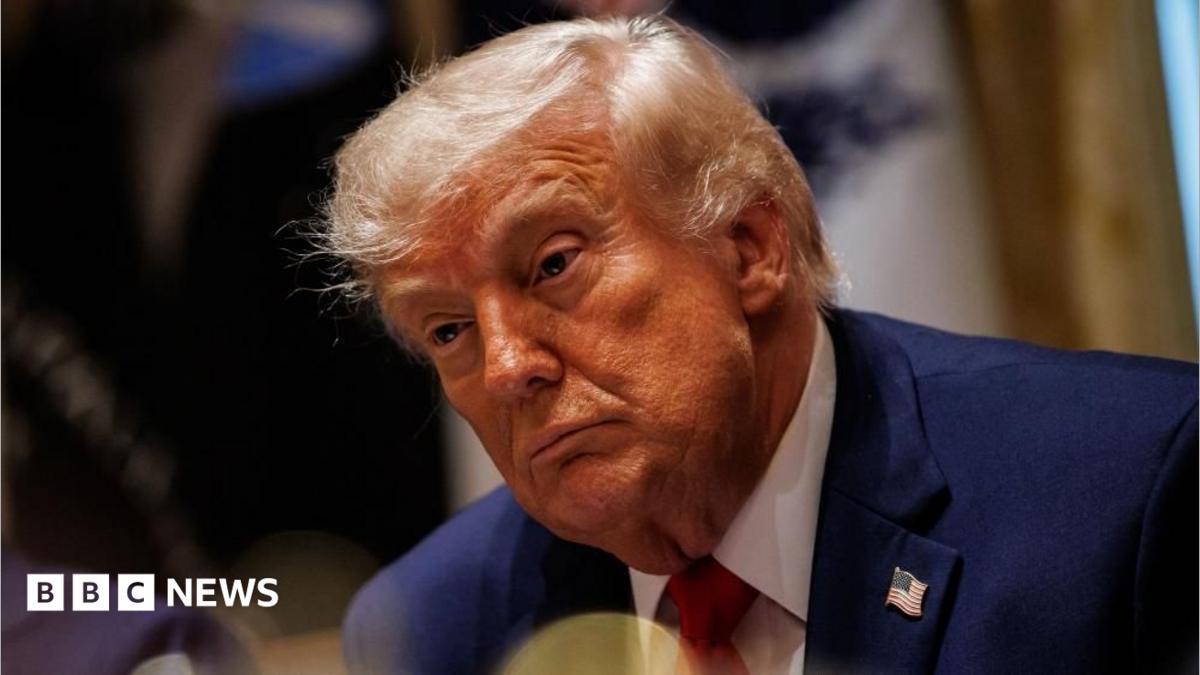
Nearly six months after US President Donald Trump vowed a swift victory over Iran, the conflict appears to be at a standstill, with prospects of a military victory or negotiated settlement growing dimmer.
To break the deadlock, Trump has vowed an "economic D-Day" under which any country that does business with Iran would face "tremendous" economic consequences.
Iran, however, has long faced sanctions and has so far shown a willingness to endure pain and a capacity to adapt to immense economic and military pressure as the conflict drags on.
The key question for the US then becomes, will further sanctions work where other strategies have failed?
The exact mechanics of the new US economic pressure campaign remain unclear, with Treasury Secretary Scott Bessent promising to reveal them in a news conference on 24 August.
But in an interview with CNBC, Bessent made clear that the US is willing to take action against any country - friend or foe - that it believes is extending a lifeline to Iran.
"You are either with us or against us," he said. "If you insist on doing business with [Iran], either transferring money, buying their oil or doing seaborne sea transfers, then the US treasury and the US government... will put its full might and force toward enforcing against you."
Vice-President JD Vance has described the sanctions as a "new phase" of the conflict in which economic pressure is the "most effective" tool available to the US.
"They're going to try to apply economic pressure to us, but what has been true over the last couple of weeks is that they felt a lot more pressure than we have," Vance said on the Clay Travis and Buck Sexton show.
"We're going to keep that going because we think that's the best way to ultimately achieve the final objective," he added.