// SPACE.COM — SPAZIO & SCIENZA
Astronaut Jonny Kim leaves NASA, will return to active military duty
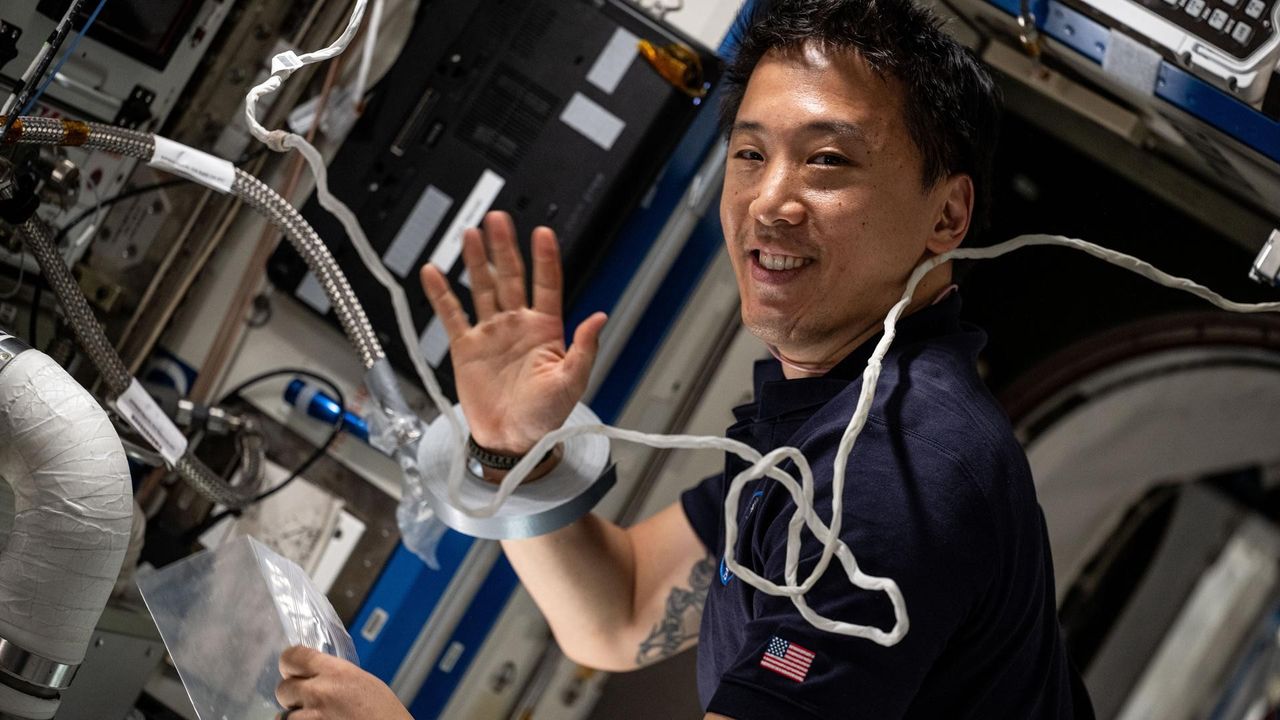
"Jonny has been an integral part of the agency, and his immeasurable impact will be felt for generations to come."
When you purchase through links on our site, we may earn an affiliate commission. Here’s how it works.
Jonny Kim is leaving NASA to continue his military career.
The 42-year-old astronaut, who has one of the most jaw-dropping resumes of any person alive, is departing today (Aug. 27) after nine years with the agency. He has one mission under his belt, a long-duration flight to the International Space Station (ISS).
"Jonny has been an integral part of the agency, and his immeasurable impact will be felt for generations to come," Vanessa Wyche, director of NASA's Johnson Space Center (JSC) in Houston, said in a statement today. "From advancing groundbreaking science to inspiring the next generation, Jonny has been an incredible source of inspiration to our nation. His exceptional talent, determination, and grit will leave a lasting legacy at NASA."
NASA picked Kim as part of its 2017 astronaut class, the 22nd in the agency's history. He and his 11 fellow selectees nicknamed themselves "The Turtles."
Kim was already incredibly accomplished before he got the NASA nod. He's a physician with a medical degree from Harvard. He served in the U.S. military, as a dual-designated naval aviator and flight surgeon as well as a Navy SEAL — a commando trained to conduct special operations on sea, air and land (hence the acronymic name).
"Over the course of more than 100 combat operations, he served as a medic, sniper, navigator and point man, earning the Silver Star, Bronze Star with Combat 'V,' and numerous additional commendations," NASA officials said in the same statement.
After completing his mandatory two years of NASA astronaut training, Kim served as a CAPCOM ("capsule communicator") at JSC, relaying information between Mission Control and crewmembers on the ISS.
"Kim also contributed to Artemis program development through his work in the astronaut exploration branch, leading the astronaut crew operations branch, and serving as increment lead for Expedition 65," NASA officials said in the same statement. "His experiences as a Navy SEAL, physician and naval aviator provided unique perspectives in mission operations and crew support."