// ARS TECHNICA — INTELLIGENZA ARTIFICIALE
Trump may be forced to reveal secret rules feds use for AI safety testing
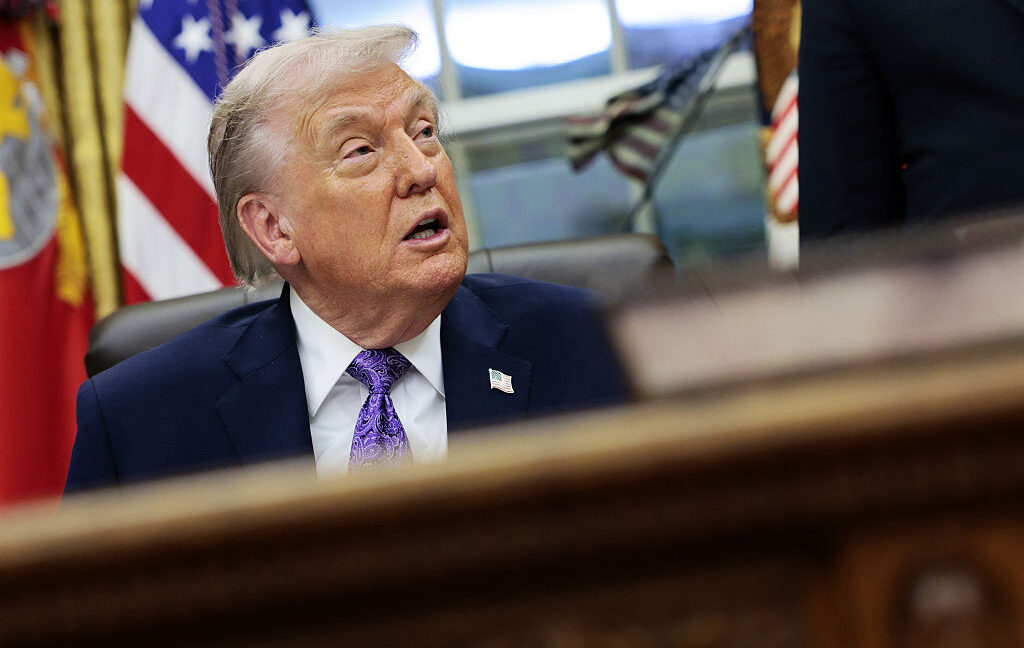
Trump’s secret reviews of frontier AI models may hide corruption, lawsuit says.
Four federal agencies have been sued amid calls to release information about the secret framework that the Trump administration uses to conduct safety reviews of frontier AI models prior to release.
In a Wednesday press release announcing the lawsuit, a nonpartisan nonprofit called Protect Democracy alleged that “almost no details” have been released to the public or Congress. To everyone except a few vague “trusted partners,” it remains unclear what the government’s review process looks like, which companies are involved in constructing the framework, or what legal authority Trump officials have to conduct the reviews.
“Neither the identities of those entities nor the criteria by which they were selected have been made public,” Protect Democracy said.
That’s a problem, Protect Democracy alleged in a statement to Ars, since decisions about “which AI models are approved and released may be the most important policy question of this White House.” And it appears that at least one AI firm, OpenAI, has “negotiated a private agreement with the Federal Government to limit distribution of its cutting-edge AI models to government-vetted partners.”
The group’s lawsuit is seeking an order requiring officials to produce all information sought by September 30. That includes “unclassified procedural and contractual architecture: the framework’s text, the terms of participation, the identity of participants, and the process and criteria by which access to frontier models is granted or withheld,” the complaint said. They also want an injunction restraining officials from improperly withholding records that aren’t classified.
“The executive branch is now choosing which companies can release their products and which customers get access to a technology that could shape the future of not only American industry and national security, but economies and governments abroad as well,” Protect Democracy’s release said. “All with no oversight from Congress, the public, or tech experts outside of the executive branch.”
According to Protect Democracy, the framework could potentially be “corrupt,” with officials from the Office of the National Cyber Director, the Office of Science and Technology Policy, the Treasury Department, and the Commerce Department potentially favoring rapid deployments for AI firms that Trump likes. And on the flip side, the public has already seen Trump retaliate against an AI firm for being too woke, Protect Democracy noted, pointing to a judge’s recent ruling that it was illegal for Trump to blacklist Anthropic.
As AI technology advances and cybersecurity risks escalate—OpenAI’s model hacking Hugging Face is the most obvious recent example—the public can’t afford to blindly trust Trump to act in good faith when choosing which frontier models should be rigorously tested, Protect Democracy said. And perhaps even worse, the public cannot know if new vulnerabilities discovered in the real world are due to agencies failing to complete a proper review, running outdated or ineffective tests, missing important checks, or missing steps that align with the latest mitigation strategies advanced by leading AI safety experts.
“We deserve to know what’s in the framework,” the group said, joining other calls for the agencies to be more transparent about AI model deployments.