// PC GAMER — GAMING
Palworld publishing chief worries early access has 'lost its meaning' as the rise of 'hyper-casual' gaming culture means people often don't understand what they're getting into
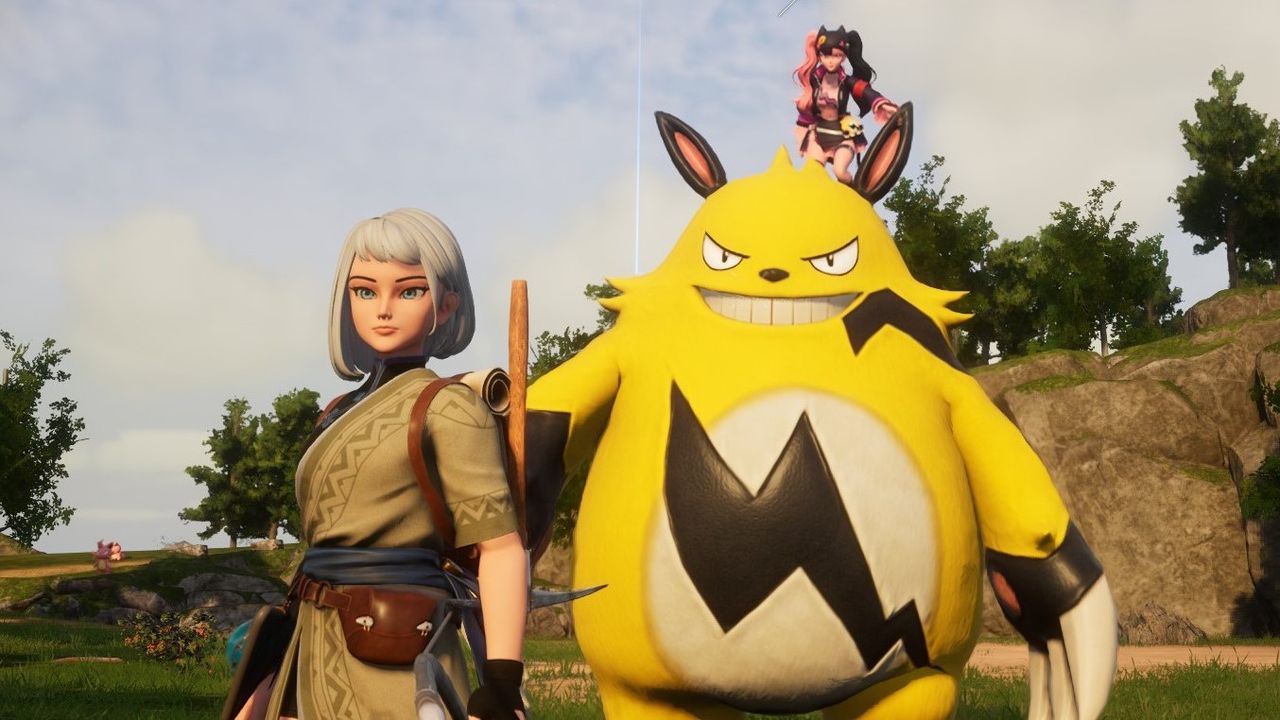
"People just buy an early access game like they buy a normal game and treat it like that's the game."
When you purchase through links on our site, we may earn an affiliate commission. Here’s how it works.
Early access on Steam is a simple concept. You buy a game before it's finished, provide bug reports and feedback to developers, and help shape a project's direction and ambitions. Everybody wins: You get to play the game early, and developers earn money that helps them continue and finish their work. It's been a boon for numerous notable games over the years, including Baldur's Gate 3 and Palworld.
In an interview with GamesRadar, though, Pocketpair communications and publishing chief John Buckley said that proposition is becoming increasingly difficult for developers, because the whole idea of early access has "lost its meaning."
"Go back to the Steam Greenlight days, when Steam changed Greenlight to early access, there were a few years where it really was running and operating exactly the way I think Steam dreamed it," Buckley said.
"I think everyone knew what they were in for. The kind of people who were buying early access games knew what they were in for. They were the kind of gamers who want to be involved, they want to give feedback, they want to talk to devs. It was this really beautiful golden era."
Now, though, the rise of what Buckley called "hyper-casual mobile culture, and hyper-casual gaming culture, and live service gaming culture" has eroded that understanding, and the accord between developer and gamer that rose from it: "The culture has changed and early access, essentially, has lost its meaning. People just buy an early access game like they buy a normal game and treat it like that's the game."
There's no doubt some truth to that. Generally speaking, I subscribe to the principle that if a product is offered for sale, and people pay money for that product, they're well within their rights to expect that they're getting the product. But early access isn't quite so cut-and-dried: Steam Greenlight was a more cumbersome system, but it also clearly delineated between a work-in-progress and a final release, which early access releases often do not.
Dialed-in gamers, or those who are old enough to remember when beta testing was an actual phase of development rather than a promotional tool, may have a clearer idea of what to expect from early access games. But as gaming becomes more of a mainstream pastime it's reasonable to expect that an increasing percentage of the audience is going to neither know nor care about what early access: They just want to buy a game and play it.
Keep up to date with the most important stories and the best deals, as picked by the PC Gamer team.