// HACKER NEWS — CYBERSECURITY
The Return of Sail Power: Cargo Ships Are Turning Back to the Wind
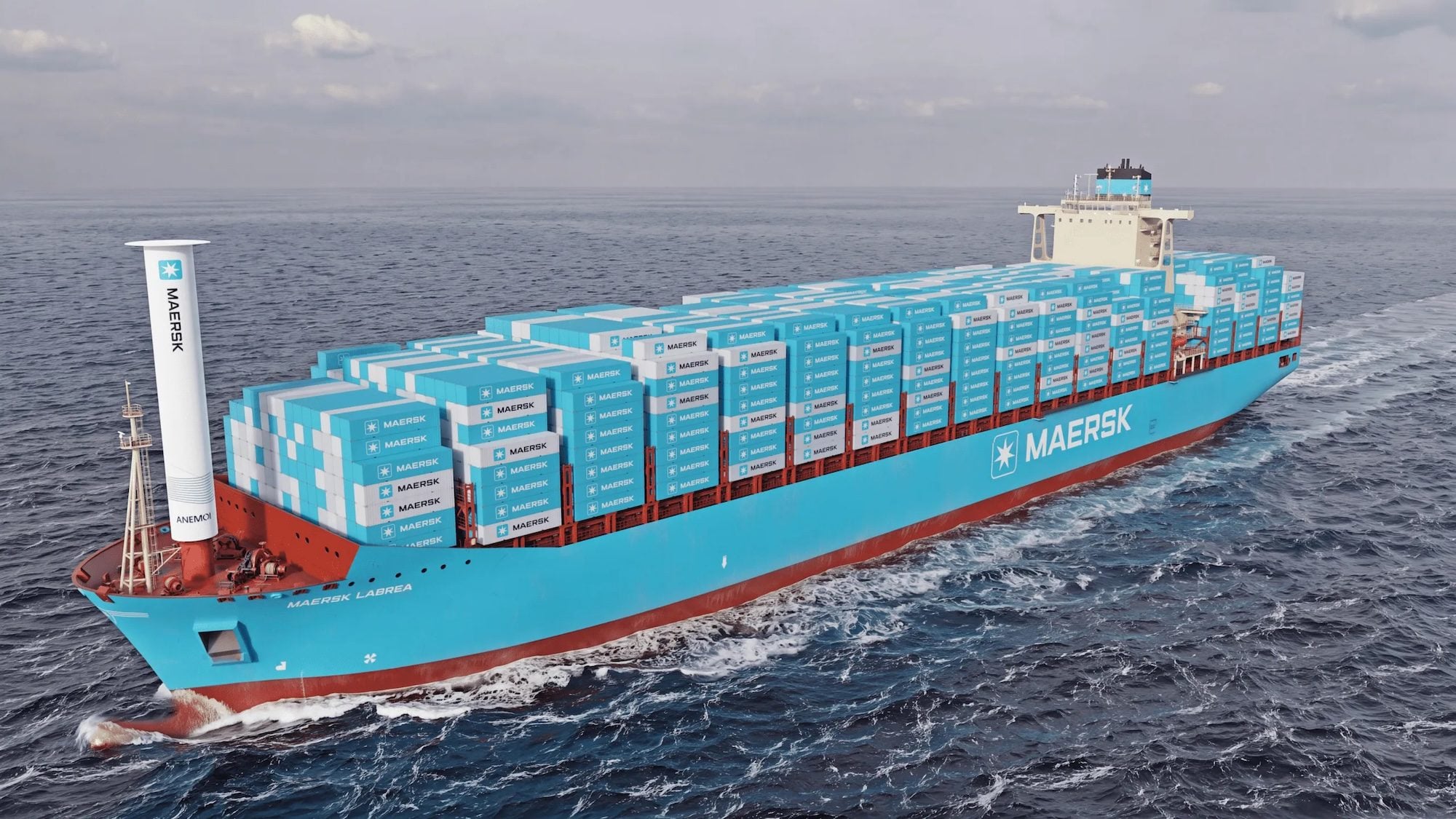
Rendering of a Maersk containership fitted with Anemoi Marine Technologies’ 35-meter Rotor Sail. Image courtesy Anemoi Marine Technologies
For more than a century, commercial shipping steadily moved away from sails. Now they are coming back.
Across the global fleet, shipowners are installing towering rotor sails, rigid wings and suction-based systems on everything from bulk carriers and tankers to containerships. LNG carriers could be next.
The idea is not to turn modern cargo ships back into sailing vessels. Instead, these systems are designed to work alongside conventional engines, using the wind to reduce fuel consumption whenever conditions allow.
What was once a niche experiment is beginning to look more like a real segment of commercial shipping.
The International Windship Association says more than 100 large merchant ships are now equipped with modern wind propulsion systems, representing more than 5 million deadweight tons of carrying capacity.
That is still a tiny share of the world fleet, but the ships are getting bigger, the owners more familiar and the projects more ambitious.
And 2026 has brought several signs that wind-assisted propulsion is moving beyond the demonstration stage.
One of the biggest came this month from Maersk. The company plans to install a 35-meter rotor sail on one of its 8,700-TEU containerships, with testing expected to begin in 2027 on regular Atlantic services.
The project is expected to mark the first rotor sail installation on a containership.