// NATURE NEWS — SPAZIO & SCIENZA
What is needed for regenerative medicine to flourish?
Search author on:
PubMed
Google Scholar
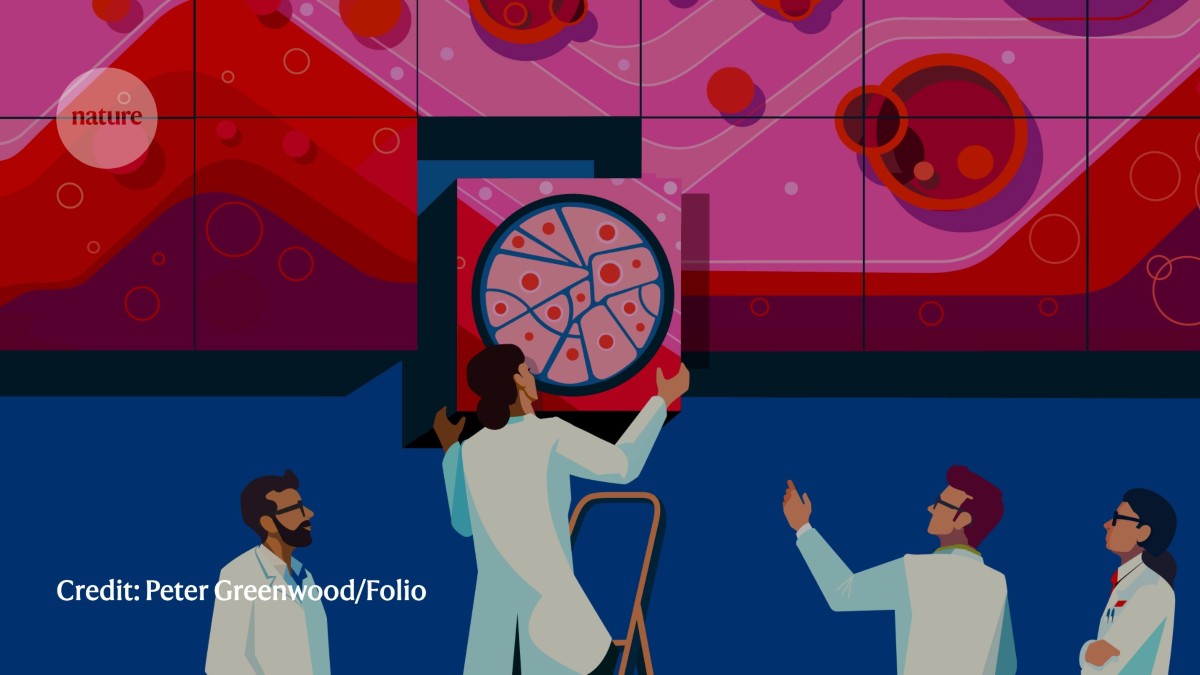
In the past three decades, the field of regenerative medicine has advanced rapidly, driven by breakthroughs in areas such as cell therapy, in which specific cell types are transferred into a patient to treat or prevent disease, and tissue engineering, which uses various methods to grow or repair damaged human tissues.
Induced pluripotent stem cells (iPSCs), which can be turned into any cell type in the body, are being used to develop potential treatments for conditions such as autoimmune diseases, Parkinson’s disease and heart failure. As highlighted in a feature article, clinical trials using stem-cell transplants to replace the insulin-producing cells that are missing in people with type 1 diabetes have had some success.
This article is part of Nature Index 2026 Regenerative medicine, an editorially independent supplement. Advertisers have no influence over the content. For more information about Nature Index, see the homepage.
‘Remarkably encouraging’: stem-cell treatments for autoimmune diseases enter new phase
Competition heats up in the regenerative-medicine ranks
Lack of female researchers and participants in regenerative-medicine research holds everyone back
Partner content: Exploring the potential of regenerative medicine
Partner content: Regenerative promise for complex medical conditions
Partner content: A clear path to determining stem cell readiness