// ARS TECHNICA — SPAZIO & SCIENZA
Rocket Report: SpaceX completes launch triple-header; Rocket Lab nets big contract
Blue Origin seeks FAA approval for up to 50 New Glenn launches and 50 booster landings per year.
This week, SpaceX celebrated the first orbital launch of its new Starship rocket. I’m not sure many people, at least those outside of SpaceX, expected it to take 14 flights of Starship before it technically reached low-Earth orbit, but Monday morning’s launch finally added that to SpaceX’s list of accomplishments with its new super-heavy rocket. Starship had gone 99 percent of the way to orbit before, only held back by safety concerns around the possibility of stranding the huge rocket in space.
What was most notable for SpaceX with this Starship flight was that it unlocked a massive growth potential for Starlink, with the first 26 of the network’s new-generation Starlink V3 satellites successfully deployed Monday.
As always, we welcome reader submissions, and if you don’t want to miss an issue, please subscribe using the box below (the form will not appear on AMP-enabled versions of the site). Each report will include information on small-, medium-, and heavy-lift rockets as well as a quick look ahead at the next three launches on the calendar.
Rocket Lab scores its biggest launch contract yet. Rocket Lab has signed what it calls its largest Electron launch service agreement to date, a 20-mission agreement with Synspective, Aviation Week & Space Technology reports. Synspective is a Japanese company with a growing fleet of radar Earth-imaging satellites. It is one of Rocket Lab’s most loyal customers, with the company’s light-class Electron rocket having launched 13 of Synspective’s StriX radar sats since 2020. The most recent Rocket Lab launch for Synspective occurred last Friday, September 25.
Dedicated launch … Rocket Lab’s Electron launch vehicle is sized for dedicated launches of payloads like Synspective’s StriX satellites. The latest agreement extends Synspective’s total bookings with Rocket Lab to 47 launches, including the 13 already flown. “Signing 20 launches in a single deal is a massive vote of confidence not just in Electron but in the launch cadence, mission reliability, and orbital precision that Rocket Lab consistently delivers,” Rocket Lab founder and CEO Peter Beck said in a statement.
Portuguese company acquires what’s left of Orbex. A Portuguese space technology business has snapped up the assets of Orbex, the Scottish rocket maker that collapsed earlier this year, the Scotsman reports. The buyer, Omnidea, plans to establish its UK operations at Orbex’s former manufacturing facility in Scotland, having agreed to a deal to acquire the assets and intellectual property (IP) of the defunct rocket developer. An initial team of ex-Orbex employees will join the business, with Omnidea planning to recruit further as the operation develops.
No Prime resurrection … Omnidea, once a partner of Orbex, says it plans to use its new Scotland base as a center for “structures development and fabrication” and as a “hub for flight and ground system electronics.” Omnidea is a supplier of propulsion, fluid control, avionics, and thermal management components in the European space industry, but the company is also exploring other markets. It looks like Orbex’s Prime rocket, which never ventured near a launch pad, is still dead.
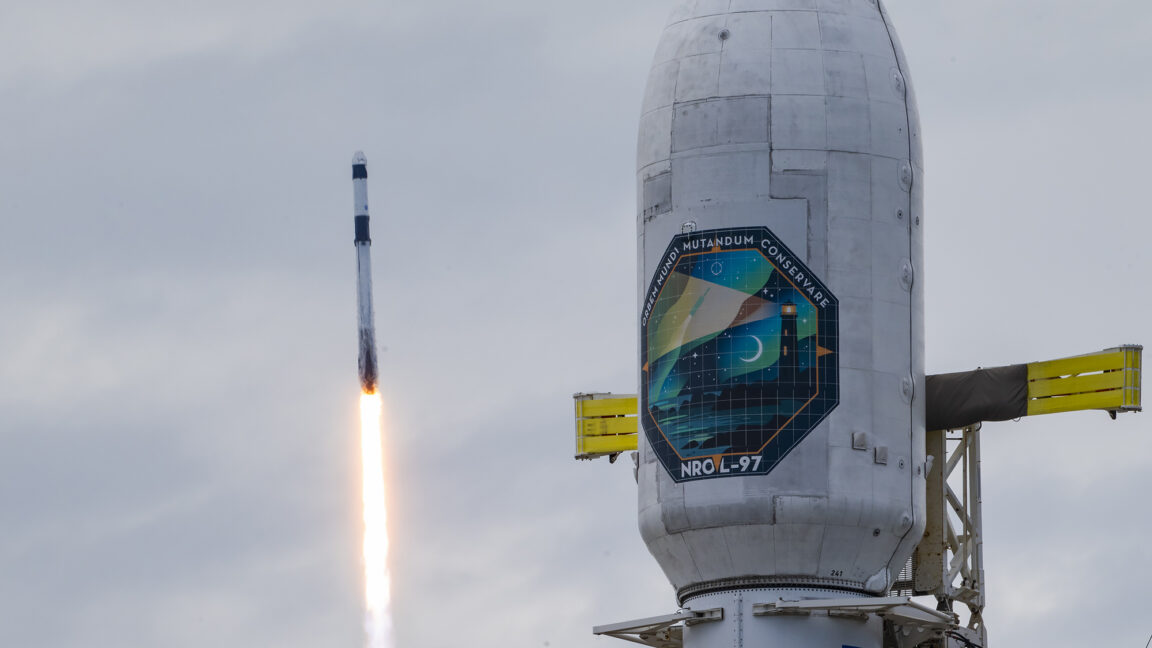
Crew-13 launches toward ISS. A four-person crew rocketed into orbit Thursday from Cape Canaveral Space Force Station, Florida, heading for a six-month expedition on the International Space Station, Ars reports. Riding a Falcon 9 rocket and Dragon spacecraft, the four crew members departed from Space Launch Complex-40 at Cape Canaveral at 11:10 am EDT. Nine minutes later, they were in orbit to begin closing in on the space station for docking Thursday evening.
Some notes … This mission is nothing particularly new for SpaceX (it’s the company’s 21st human spaceflight launch). But it is noteworthy for a few reasons. The commander, Jessica Watkins, became the first Black woman to lead a mission into space.