// PC GAMER — GAMING
Valve's patch note supremacy
When you purchase through links on our site, we may earn an affiliate commission. Here’s how it works.
To most, the highlight of this week's big Deadlock patch is the snazzy map makeover, new heroes, and tons of quality-of-life additions. To me, it's all about the patch notes.
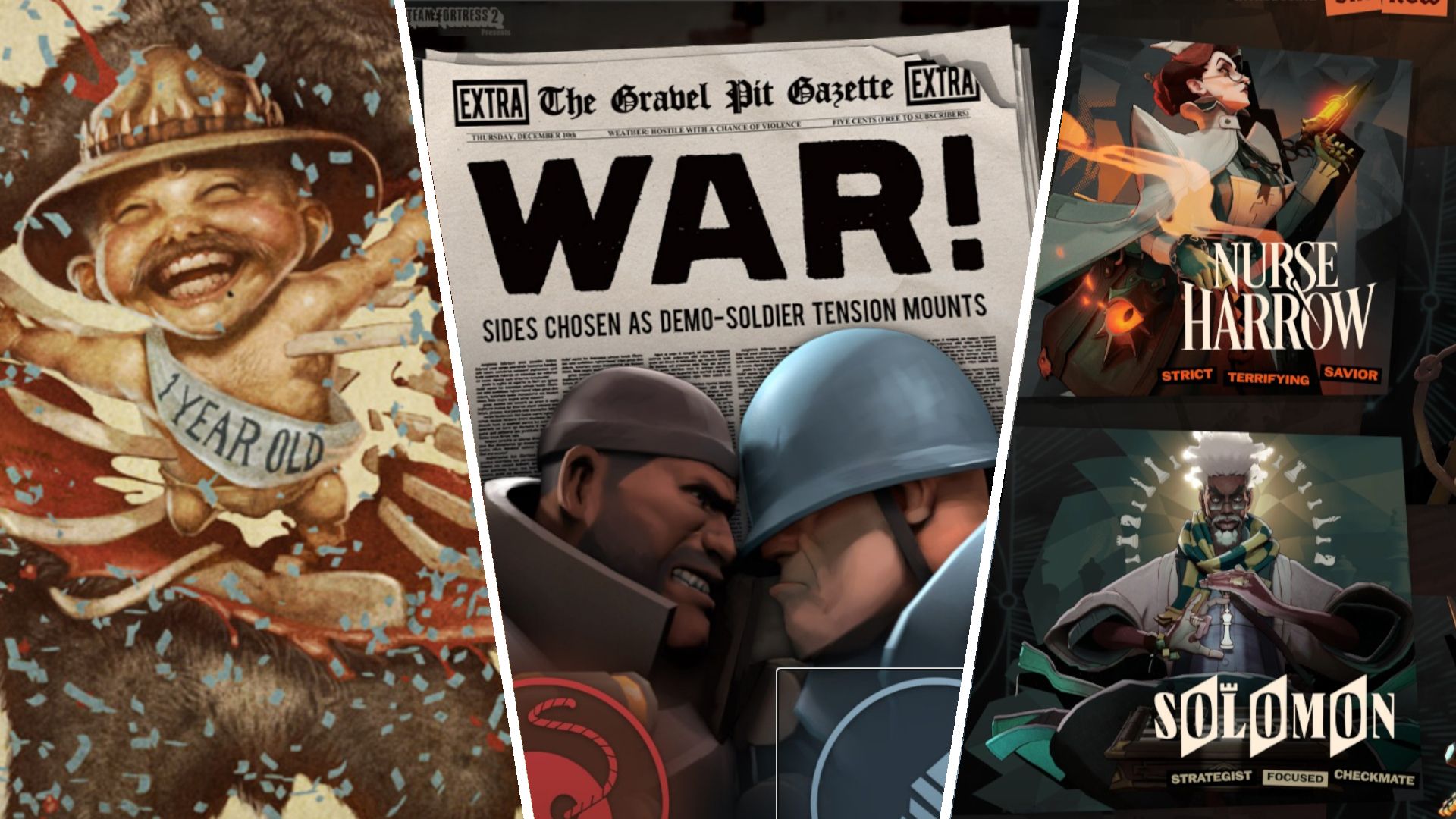
I spend a lot of waking hours reading white-text-on-black-background changelogs in this line of work, so when a page comes along that was specifically designed to be pleasant and exciting, it deserves to be rewarded. Valve has a long history of designing beautiful, bespoke webpages to introduce meaningful changes to its games, but the graphics department is really going ballistic with Deadlock.
The City Never Sleeps patch notes are styled like a tourism brochure for Deadlock's refreshed New York City, walking readers through scenic stops across the four major districts (Chinatown, Theater, Haunted Lot, and Plaza). Descriptions weave between in-world storytelling and technical explanation where it makes sense, with Valve's splashes of humor reminding readers not to take any of this too seriously.
Dotted lines draw the reader to new points of interest as they scroll while furthering the map motif, and the page is stuffed with custom artwork for new items and mechanics that might only exist there. Valve did such an annoyingly good job with presenting the next era of Deadlock that I'm almost tempted to play a MOBA (but only almost).
Finally, some good food. Welcome back, Valve patch notes.
It cannot be understated that Valve pioneered storytelling in multiplayer shooters with Team Fortress 2, arguably kicking off with the 2009 WAR! Update, aka "Soldier vs. Demo." This was before the concept of multiplayer games having seasons, before League of Legends had a TV show, before "live service" was even a thing—Valve had created a cast of nine lovable weirdos and new updates that weren't just dropping items, but telling stories that put the characters in conflict with one another and added context to the multiplayer maps we'd already been fighting in for two years.
It was weird in the first place for an FPS to receive so many free post-launch additions, and it was even weirder for a developer to treat the arrival of new weapons, modes, and hats as worthy of dedicated splash pages with accompanying comic books.
Keep up to date with the most important stories and the best deals, as picked by the PC Gamer team.
TF2 was the gold standard for post-launch support, and its patch notes drew massive interest, often dropping late on a Thursday or Friday, Pacific time, hinting that Valve may have been polishing until the last minute. Valve's blog posts were never the same month-to-month, often adopting new color schemes, layouts, and original elements for the occasion.