// PC GAMER — GAMING
Does Blizzard's revival of its classic games signal a return of the 'old Blizzard?'
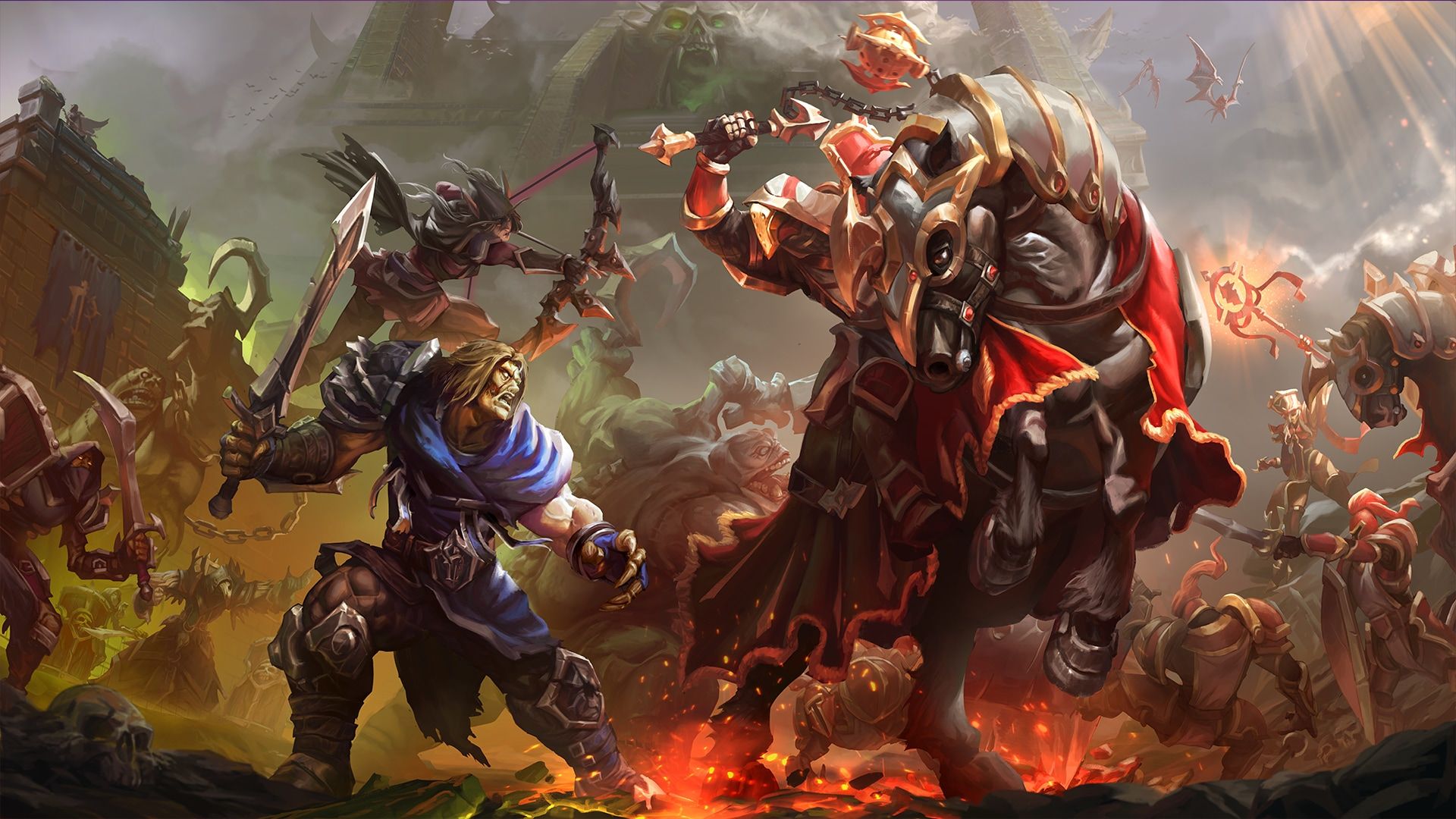
Maybe not, but a cautious optimism has emerged as Blizzard finds opportunities to recapture goodwill.
When you purchase through links on our site, we may earn an affiliate commission. Here’s how it works.
K. Kwanghee Woo is a veteran of the StarCraft scene, having covered esports for community hub TL.net since 2002. He is currently a part of the StarCraft 2 community's efforts to keep the game updated in cooperation with Blizzard.
There's a generation of millennial gamers who are haunted by an entity known as 'old Blizzard,' an allegedly more competent, creative, and virtuous version of the present-day Microsoft subsidiary based in Irvine, California.
For the nostalgia-afflicted, BlizzCon 2026 felt like a nod to those good ol' days of Blizzard—at least in terms of ambition and scale—as developers rolled out a slew of major announcements including World of Warcraft: Forever, Diablo 5, and an open world shooter in the StarCraft universe.
However, the most meaningful moment may have been the very first reveal that occurred on stage, when Blizzard president Johanna Faries received a tepid audience response after announcing that Heroes of the Storm—Blizzard's niche MOBA that had been relegated to bare bones maintenance mode in 2022—would be welcoming WoW big-bad Xal'atath as a new playable character.
Blizzard surely drafted dozens of versions of its stage presentation in the lead-up to BlizzCon, and would have been well-aware that announcing Heroes of the Storm's first new hero in six years would barely register on the audiences' radar compared to the rest of their slate. With that in mind, you have to wonder if leading with HOTS was not just a quirk of sequencing, but a conscious, conciliarity choice.
Sunsetting games that fail to reach certain commercial benchmarks is a widespread industry practice, and from a certain perspective, any backlash to HOTS being put on ice could have been seen as unrealistic and entitled—come on, at least the servers weren't shut down!
At the same time, you didn't have to be a hardcore HOTS player with hundreds of hours invested to understand the greater sense of betrayal. Blizzard may not have been an active participant in every aspect of the mythmaking surrounding itself during its glory days, but the company certainly enjoyed the perception that it had a uniquely honorable relationship with its fans. Even as it became more and more corporate, some still believed that Blizzard would uphold an implicit pact: 'We will never give up on a game before its community.'
In resuming active development for Heroes of the Storm, Blizzard seems to be expressing that this is a standard it still wants to live up to.